

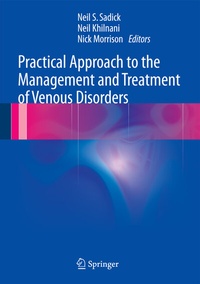
Practical Approach to the Management and Treatment of Venous Disorders
1st Edition
Published on 28. September 2012
X, 177 pages
978-1-4471-2891-5 (ISBN)
Description

This text evolved as a response to numerous requests to present a simplified approach to the diagnosis and management of most of the common aspects of both cosmetic and medical venous disorders. The authors, representing experienced plebologists from several different primary disciplines, have attempted to present simplistic paradigm-oriented approaches on how to thoughtfully evaluate and manage common vein issues with contemporary solutions. Several areas of phlebology were not addressed in this text. The management of vascular malformations are beyond the scope of this text and were not covered in detail. Although indications for the appropriate use of IVC filters are discussed, the details about the specific devices, their placement and removal are also beyond the scope of this text. Deep venous obstruction from prior thrombosis, venous compression by arteries such as the compression of the left common iliac vein by the right common iliac artery and pelvic venous insufficiency can now be managed with minimally invasive image guided treatments; the technical aspects of such treatments are complex and not discussed in detail in this handbook.
This book will increase the therapeutic skill of the practicing phlebologist and thus increase the quality of care for patients faced with problems related to venous disorders.
Reviews / Votes
From the reviews:
"In this book, the authors deliver a straightforward guide to the diagnosis and management of venous disease. The book is marketed to clinicians involved in the treatment of venous disease, including interventional radiologists, dermatologists, and vascular surgeons. . this book serves as a starting point for the interventional radiologist or other practitioner interested in nonsurgical interventions. . This work is a well-written, concise introductory text that offers a foundation for those beginning a practice for treating venous disorders." (Andrew J. Degnan, Radiology, Vol. 268 (1), July, 2013)
"This is a complete guide to the management and treatment of patients with superficial venous disorders, appropriate for both novices and experienced clinicians. . This book will be appreciated by the full range of practitioners, from nurses to physicians, novices to experts, interventional radiologists to dermatologists to vascular surgeons. Literally anyone who cares for patients with superficial venous disease will find value in this book. . an invaluable resource for experienced practitioners as well as a great starting point for students who are just learning." (Scott Resnick, Doody's Book Reviews, March, 2013)More details
Series
Language
English
Place of publication
London
United Kingdom
Publishing group
Springer London
Target group
Professional and scholarly
Product notice
Reflowable
Illustrations
X, 177 p. 98 illus., 81 illus. in color.
File size
9,25 MB
ISBN-13
978-1-4471-2891-5 (9781447128915)
DOI
10.1007/978-1-4471-2891-5
Schweitzer Classification
Other editions
Additional editions
Neil S. Sadick | Neil Khilnani | Nick Morrison
Practical Approach to the Management and Treatment of Venous Disorders
Book
09/2012
1st Edition
Springer
€106.99
Shipment within 15-20 days
Persons
Neil Sadick, Sadick Dermatology, 911 Park Avenue, New York, NY, USA Neil Khilnani, Adjunct Assistant Professor of Radiology, Columbia University College of Physicians and Surgeons, New York, NY, USA Nick Morrison, Morrison Vein Institute, Tempe, AZ, USA
Content
- Intro
- Practical Approach tothe Management and Treatment of Venous Disorders
- Copyright Page
- Preface
- Contents
- Contributors
- 1: Phlebology: History and Epidemiology
- Curious Theories
- Minimally Invasive Varicose Vein Treatment
- Ascent of Foam Sclerotherapy
- Epidemiology of Venous Insufficiency
- Conclusions
- References
- 2: Setting Up Sclerotherapy in a Phlebology Practice
- Who Should Perform Sclerotherapy
- What to Use for Sclerotherapy
- Where to Perform Sclerotherapy
- Why Do Sclerotherapy
- How to Start
- Conclusion
- References
- 3: Venous Anatomy of the Lower Extremity
- References
- 4: Pathophysiology of Venous Disease
- Introduction
- Physiology of the Lower Extremity Veins
- Pathophysiology of Primary Venous Insufficiency
- Chronic Venous insufficiency
- Conclusions
- References
- 5: Clinical Evaluation of Patients with Chronic Lower Extremity Venous Disorder
- History
- General Considerations
- Routine Historical Information
- Vascular-Specific Historical Factors
- Symptoms
- Physical Signs
- Conclusion
- References
- 6: Venous Duplex Ultrasound in Patients with Chronic Venous Disorders
- DUS Indications
- Anatomy as Depicted by DUS
- Diagnostic DUS Technique and Findings
- DUS in Follow-up of Patients Treated for SVI
- Conclusion
- DUS Examination
- References
- 7: Elimination of Truncal Vein Reflux: Surgery, Thermal Ablation, and Chemical Ablation for Chronic Venous Disorders
- Basic Principles
- Treatment Objectives
- Surgical Treatment
- Indications and Contraindications
- High Ligation/Stripping
- Surgical Techniques for Perforator Veins
- Subfascial Endoscopic Perforator Surgery (SEPS)
- Indications/Contraindications
- Surgery for Recurrent Varicose Veins
- Saphenous Sparing Techniques
- Postoperative Care
- Pearls and Pitfalls
- Keys for Success
- Endovenous Thermal Ablation
- Introduction
- Technical Equipment
- Procedure
- Follow Up
- Results
- Complications
- Discussion
- Conclusions
- Results
- Pearls and Pitfalls
- Keys to Success
- Endovenous Chemical Ablation (Foam Sclerotherapy)
- References
- 8: Sclerotherapy and Alternatives
- Introduction
- Varicose Veins
- Diagnostic Approaches
- Type I
- Type II
- Type III
- Type IV
- Pretreatment Considerations
- Techniques of Large-Vein Sclerotherapy
- Treatment Techniques
- Compression Sclerotherapy
- Duplex Ultrasound-Guided Sclerotherapy
- Duplex Sclerotherapy Protocol
- Pearls and Pitfalls - Varicose Veins
- Keys to Success - Varicose Veins
- Reticular Veins
- Pretreatment Considerations
- Appropriate Sclerosant Concentrations for Treating Reticular Veins
- Treatment Plan/Suggested Approaches
- Treatment Technique
- Post Treatment Compression Considerations
- Repeat Treatment Sessions/Treatment Follow-Up
- Pearls and Pitfalls - Reticular Veins
- Keys to Success - Reticular Veins
- Telangiectasias
- Pretreatment Considerations
- Choosing the Appropriate Sclerosant Concentration for Treating Telangiectasias
- Treatment Technique - Sclerotherapy for Telangiectasias
- Post Treatment Considerations
- Approaches to Treating Resistant Telangiectasia
- Alternatives to Sclerotherapy: Laser and Light Source Treatment Options
- Treatment Technique - Laser therapy
- Avoiding Complications
- Pearls and Pitfalls - Telangiectasias
- Keys to Success - Telangiectasias
- Conclusion
- Bibliography
- 9: Foam Sclerotherapy
- Introduction
- Foam Production Methods
- Results of Foam Sclerotherapy
- Methods to Improve Foam Sclerotherapy Efficacy
- Foam Safety
- Foam Sclerotherapy: Adverse Events
- Foam Sclerotherapy: Methods to Improve Safety
- Postoperative Care
- Conclusion
- Summary Box
- References
- 10: Ambulatory Phlebectomy
- Introduction
- History
- Definition
- Indications
- Contraindications
- Benefits of Ambulatory Phlebectomy
- Diagnostic Methods
- Treatment Strategies
- Staged Versus Unstaged Procedures
- Technique
- Preoperative Preparation
- Surgical Plan
- Anesthesia
- Tumescent Anesthesia
- Administration of Tumescent Anesthesia
- Procedural Equipment
- Procedure
- Bandaging
- Discharge Recommendations
- Complications
- Powered Phlebectomy
- Study Results
- Conclusions
- Clinical Guidelines
- References
- 11: Treatment of Incompetent Perforating Veins
- Introduction
- Perforating Veins in Disease
- Perforating Veins Causing Varicose Veins
- Perforating Veins Associated with Ulceration
- Incompetent Perforating Veins (IPV) versus Pathologic Perforating Veins (PPV)
- Indications for Treatment
- Treatment Choices
- Results
- Conclusions
- References
- 12: Tributary Treatment Strategies: Treatment of Varicose Veins
- Recommendation 1: Eliminate Truncal Reflux
- Recommendation 2: Microphlebectomy (aka Ambulatory Phlebectomy (AP) or Stab Phlebectomy)
- Recommendation 3: Chemical Ablation
- Recommendation 4: Image Guided Chemical Ablation
- Summary
- References
- 13: Genetic Thrombophilias: When to Consider and What to Do
- Introduction
- Diagnostic Testing
- Thrombophilias due to Deficiencies of Natural Anticoagulants (Group 1 Disorders)
- Antithrombin Deficiency
- Protein C and S Deficiencies
- Thrombophilias due to Increased Level or Function of Coagulation Factors (Group 2 Disorders)
- Activated Protein C Resistance/Factor V Leiden Polymorphism
- Prothrombin Defects: Prothrombin G20210A Polymorphism
- Elevated Coagulation Factors
- Hyperhomocysteinemia
- Other Hereditary Thrombophilias
- Combination of Thrombophilic Defects
- Clinical Practice Considerations
- Venous Thrombosis Prophylaxis and Treatment Considerations [21- 24]
- References
- 14: Deep Vein Thrombosis: What to Do
- Treatment of Acute DVT
- Indications
- Contraindications (Absolute or Relative)
- Introduction
- Basic Approach to DVT Treatment
- Endovascular Treatment Technique
- Conclusion
- Pearls and Pitfalls
- Keys to Success
- References
- 15: Superficial Vein Thrombosis
- Introduction
- Epidemiology and Etiology
- Complications
- Diagnosis
- Treatment
- Clinical Data
- Clinical Considerations
- Conclusions
- References
- 16: Treatment of Hand Veins
- Introduction
- Anatomy of the Dorsal Venous System of the Hands
- Treatment Options
- Sclerotherapy
- Endovenous Laser
- Ambulatory Phlebectomy
- Follow Up
- Combination Techniques
- Conclusion
- 17: Compression Therapy
- Indications
- Indications Endorsed by Evidence-Based Medicine
- Medical Compression Stockings
- Indications Endorsed by Experience
- Compression After Vein Procedures
- Compression in the Acute Phase of Superficial and Deep Vein Thrombosis
- Non-phlebological Indications for Compression Therapy
- Compression Stockings or Bandages?
- Contraindications
- Measurement of Systolic Ankle Pressure
- Pearls
- Compression Therapy in Venous Ulceration
- Compression of Painful Swollen Leg
- Compression Bandages
- Double Stocking Technique
- Thigh Compression After Endovenous Procedures
- Immobile Patients
- Decongestive Lymphatic Therapy in Lymphedema
- Pitfalls
- Non-compliance
- Slippage of Fixed Bandages
- Inverse Pressure Gradient
- Key-Points for Success
- References
- Index
