

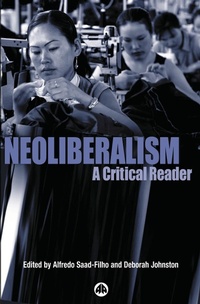
Neoliberalism
A Critical Reader
1st Edition
Published on 20. December 2004
272 pages
978-1-78371-495-7 (ISBN)
Description

Neoliberalism is the dominant ideology shaping our world today. It dictates the policies of governments, and shapes the actions of key institutions such as the WTO, IMF, World Bank and European Central Bank. Its political and economic implications can hardly be overstated.
Yet there are obvious problems with the neoliberal project. This book is a perfect introduction to neoliberalism that is ideal for anyone seeking a critical perspective. It explains the nature, history, strengths, weaknesses and implications of neoliberalism from the point of view of radical political economics.
Short, self-contained chapters are written by leading experts in each field. The books is organised in three parts: the first section outlining neoliberal theory, the second exploring how neoliberalism has affected various policy areas, and a third looking at how neoliberal policies have played out in particular regions of the world. Using a broad range of left economic perspectives, from post-Keynesian to Marxist, this is a great resource for students of politics and economics, and anyone looking for a grounded critical approach to this broad subject.
Yet there are obvious problems with the neoliberal project. This book is a perfect introduction to neoliberalism that is ideal for anyone seeking a critical perspective. It explains the nature, history, strengths, weaknesses and implications of neoliberalism from the point of view of radical political economics.
Short, self-contained chapters are written by leading experts in each field. The books is organised in three parts: the first section outlining neoliberal theory, the second exploring how neoliberalism has affected various policy areas, and a third looking at how neoliberal policies have played out in particular regions of the world. Using a broad range of left economic perspectives, from post-Keynesian to Marxist, this is a great resource for students of politics and economics, and anyone looking for a grounded critical approach to this broad subject.
Reviews / Votes
'Some of the most incisive students of neoliberalism gather together to present a stunning indictment of the destructiveness of the already discredited right-wing economic regime' -- Professor Michael Perelman, California State University 'This scholarly yet deeply engaged book will do much to to put the record straight on what neo-liberalism is and what its actual effects have been on those who have gained from it and the much larger numbers who have been afflicted by it' -- Professor Leslie Sklair, London School of EconomicsMore details
Edition
1. Auflage
Language
English
Place of publication
London
United Kingdom
Target group
Professional and scholarly
Illustrations
4 b&w figures
File size
0,98 MB
ISBN-13
978-1-78371-495-7 (9781783714957)
Copyright in bibliographic data and cover images is held by Nielsen Book Services Limited or by the publishers or by their respective licensors: all rights reserved.
Schweitzer Classification
Other editions
Additional editions
Book
12/2004
Pluto Press
€39.00
Shipment within 10-20 days
Persons
Alfredo Saad-Filho is Professor of Political Economy and International Development in the Department of International Development. Previously, he was Professor of Political Economy at SOAS University of London and Senior Economic Affairs Officer at the United Nations Conference on Trade and Development (2011-12).
Alfredo was awarded the Lifetime Achievement Medal from the Federal University of Goias, Brazil in 2014 and the SOAS Director's Teaching Prize in 2016.
His academic publications include Marx's Capital, Neoliberalism: A Reader, Anti-Capitalism: A Marxist Introduction and Brazil: Neoliberalism versus Democracy, and has produced numerous reports as well and other contributions for the United Nations and other international agencies.
Alfredo Saad Filho is Professor of International Political Economy at Queen's University Belfast, Distinguished Visiting Professor at the University of Johannesburg (South Africa), Visiting Professor at LUT University (Finland), Visiting Professor at Universita degli Studi della Campania 'Luigi Vanvitelli' (Italy), Senior Associate Researcher at the University of Brasilia (Brazil) and Professorial Research Associate at SOAS University of London (UK). He was Senior Economic Affairs Officer at the United Nations Conference on Trade and Development (UNCTAD), in Geneva. He has taught in universities and research institutions in Belgium, Brazil, Canada, China, Finland, Germany, Italy, Japan, Mozambique, South Africa, Switzerland and the UK. His publications include 18 books, 80 journal articles, 60 book chapters, and 30 reports for UN and other international agencies.
Deborah Johnston is a Lecturer in Development Economics at SOAS. She has worked on labour markets and poverty, and has undertaken consultancy work in the UK, Russia and in a number of countries in Africa.
Alfredo was awarded the Lifetime Achievement Medal from the Federal University of Goias, Brazil in 2014 and the SOAS Director's Teaching Prize in 2016.
His academic publications include Marx's Capital, Neoliberalism: A Reader, Anti-Capitalism: A Marxist Introduction and Brazil: Neoliberalism versus Democracy, and has produced numerous reports as well and other contributions for the United Nations and other international agencies.
Alfredo Saad Filho is Professor of International Political Economy at Queen's University Belfast, Distinguished Visiting Professor at the University of Johannesburg (South Africa), Visiting Professor at LUT University (Finland), Visiting Professor at Universita degli Studi della Campania 'Luigi Vanvitelli' (Italy), Senior Associate Researcher at the University of Brasilia (Brazil) and Professorial Research Associate at SOAS University of London (UK). He was Senior Economic Affairs Officer at the United Nations Conference on Trade and Development (UNCTAD), in Geneva. He has taught in universities and research institutions in Belgium, Brazil, Canada, China, Finland, Germany, Italy, Japan, Mozambique, South Africa, Switzerland and the UK. His publications include 18 books, 80 journal articles, 60 book chapters, and 30 reports for UN and other international agencies.
Deborah Johnston is a Lecturer in Development Economics at SOAS. She has worked on labour markets and poverty, and has undertaken consultancy work in the UK, Russia and in a number of countries in Africa.
Content
Acknowledgements
Contributors
Introduction by Alfredo Saad-Filho and Deborah Johnston
Part 1: Theoretical Perspectives
1. The Neoliberal (Counter-)Revolution by Gerard Dumenil and Dominique Levy
2. From Keynesianism to Neoliberalism. Shifting Paradigms in Economics by Thomas I. Palley
3. Mainstream Economics in the Neoliberal Era by Costas Lapavitsas
4. The Economic Mythology of Neoliberalism by Anwar Shaikh
5. The Neoliberal Theory of Society by Simon Clarke
6. Neoliberalism and Politics, and the Politics of Neoliberalism by Ronaldo Munck
7. Neoliberalism, Globalisation and International Relations by Alejandro Colas
Part 2: Surveying the Landscape
8. Neoliberalism and Primitive Accumulation in LDCs by Terence J. Byres
9. Neoliberal Globalization. Imperialism without Empires? by Hugo Radice
10. Neoliberalism in International Trade. Sound Economics or a Question of Faith? by Sonali Deranyiagala
11. 'A Haven of Familiar Monetary Practice' The Neoliberal Dream in International Money and Finance by Jan Toporowski
12. From Washington to Post-Washington Consensus. Neoliberal Agendas for Economic Development by Alfredo Saad-Filho
13. Foreign Aid, Neoliberalism and US Imperialism by Henry Veltmeyer and James Petras
14. Sticks and Carrots for Farmers in Developing Countries. Agrarian Neoliberal in Theory and Practice by Carlos Oya
15. Poverty and Distribution. Back on the Neoliberal Agenda? by Deborah Johnston
16. The Welfare State and Neoliberalism by Susanne MacGregor
17. Neoliberalism, the New Right and Sexual Politics by Lesley Hoggart
18. Neoliberal Agendas for Higher Education by Les Levidow
19. Neoliberalism and Civil Society. Project and Possibilities by Subir Sinha
20. Neoliberalism and Democracy. Market Power versus Democratic Power by Arthur MacEwan
21. Neoliberalism and the Third Way by Philip Arestis and Malcom Sawyer
Part 3: Neoliberal Experiences
22. The Birth of Neoliberalism in the US. A Reorganisation of Capitalism by Al Campbell
23. The Neoliberal Experience of the UK - Philip Arestis and Malcom Sawyer
24. European Integration as a Vehicle of Neoliberal Hegemony by John Milios
25. Neoliberalism. The Eastern European Frontier by Jan Toporowski
26. The Political Economy of Neoliberalism in Latin America by Alfredo Saad-Filho
27. Neoliberalism in Sub-Saharan Africa. From Structural Adjustment to NEPAD by Patrick Bond
28. Neoliberalism and South Asia. The Case of a Narrowing Discourse by Matthew McCartney
29. Assessing Neoliberalism in Japan by Makoto Itoh
30. Neoliberal Restructuring of Capital Relations in East and Southeast Asia by Dae-oup Chang
Contributors
Introduction by Alfredo Saad-Filho and Deborah Johnston
Part 1: Theoretical Perspectives
1. The Neoliberal (Counter-)Revolution by Gerard Dumenil and Dominique Levy
2. From Keynesianism to Neoliberalism. Shifting Paradigms in Economics by Thomas I. Palley
3. Mainstream Economics in the Neoliberal Era by Costas Lapavitsas
4. The Economic Mythology of Neoliberalism by Anwar Shaikh
5. The Neoliberal Theory of Society by Simon Clarke
6. Neoliberalism and Politics, and the Politics of Neoliberalism by Ronaldo Munck
7. Neoliberalism, Globalisation and International Relations by Alejandro Colas
Part 2: Surveying the Landscape
8. Neoliberalism and Primitive Accumulation in LDCs by Terence J. Byres
9. Neoliberal Globalization. Imperialism without Empires? by Hugo Radice
10. Neoliberalism in International Trade. Sound Economics or a Question of Faith? by Sonali Deranyiagala
11. 'A Haven of Familiar Monetary Practice' The Neoliberal Dream in International Money and Finance by Jan Toporowski
12. From Washington to Post-Washington Consensus. Neoliberal Agendas for Economic Development by Alfredo Saad-Filho
13. Foreign Aid, Neoliberalism and US Imperialism by Henry Veltmeyer and James Petras
14. Sticks and Carrots for Farmers in Developing Countries. Agrarian Neoliberal in Theory and Practice by Carlos Oya
15. Poverty and Distribution. Back on the Neoliberal Agenda? by Deborah Johnston
16. The Welfare State and Neoliberalism by Susanne MacGregor
17. Neoliberalism, the New Right and Sexual Politics by Lesley Hoggart
18. Neoliberal Agendas for Higher Education by Les Levidow
19. Neoliberalism and Civil Society. Project and Possibilities by Subir Sinha
20. Neoliberalism and Democracy. Market Power versus Democratic Power by Arthur MacEwan
21. Neoliberalism and the Third Way by Philip Arestis and Malcom Sawyer
Part 3: Neoliberal Experiences
22. The Birth of Neoliberalism in the US. A Reorganisation of Capitalism by Al Campbell
23. The Neoliberal Experience of the UK - Philip Arestis and Malcom Sawyer
24. European Integration as a Vehicle of Neoliberal Hegemony by John Milios
25. Neoliberalism. The Eastern European Frontier by Jan Toporowski
26. The Political Economy of Neoliberalism in Latin America by Alfredo Saad-Filho
27. Neoliberalism in Sub-Saharan Africa. From Structural Adjustment to NEPAD by Patrick Bond
28. Neoliberalism and South Asia. The Case of a Narrowing Discourse by Matthew McCartney
29. Assessing Neoliberalism in Japan by Makoto Itoh
30. Neoliberal Restructuring of Capital Relations in East and Southeast Asia by Dae-oup Chang
