

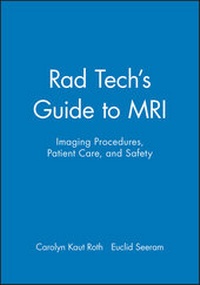
Rad Tech's Guide to MRI
Imaging Procedures, Patient Care, and Safety
1st Edition
Published on 23. May 2013
210 pages
978-1-118-70228-4 (ISBN)
Available for download
Description

Using images and anatomic illustrations, Rad Tech's Guide to MRI: Imaging Procedures, Patient Care, and Safety provides the reader with a quick overview of MRI for quick reference and examination preparation. As part of the Rad Tech's Guide Series, this volume features an overview of anatomy, imaging tips, scanning procedures, and the latest information on protocols--all in the context of patient care and safety.
Each book in the Rad Tech's Guide Series covers the essential basics for those preparing for their certifying examinations and those already in practice.
More details
Other editions
Additional editions
Book
08/2001
1st Edition
Wiley
€69.50
Shipment within 10-20 days
Content
1 - Cover [Seite 1]
2 - Title Page?????????????????????????????????? [Seite 5]
3 - Contents?????????????????????????????? [Seite 7]
4 - 1 Patient Care and Safety for Magnetic Resonance Imaging?????????????????????????????????????????????????????????????????????????????????????????????????????????????????????????????? [Seite 15]
4.1 - Introduction to Patient Care and Safety for MRI???????????????????????????????????????????????????????????????????????????????????????????????????????????? [Seite 17]
4.2 - Screening Patients and Personnel?????????????????????????????????????????????????????????????????????????????? [Seite 17]
4.3 - Ancillary Equipment and Implants?????????????????????????????????????????????????????????????????????????????? [Seite 22]
4.4 - Assessing and Monitoring?????????????????????????????????????????????????????????????? [Seite 33]
4.5 - Contrast Agents for MRI???????????????????????????????????????????????????????????? [Seite 35]
4.6 - Life-Threatening Situations???????????????????????????????????????????????????????????????????? [Seite 38]
4.7 - Safety Precautions for Placement of Electrical Conductors???????????????????????????????????????????????????????????????????????????????????????????????????????????????????????????????? [Seite 38]
4.8 - Environmental Considerations: Temperature and Humidity?????????????????????????????????????????????????????????????????????????????????????????????????????????????????????????? [Seite 39]
4.9 - Gauss Line and Magnetic Field Strength?????????????????????????????????????????????????????????????????????????????????????????? [Seite 39]
4.10 - Emergency Procedures?????????????????????????????????????????????????????? [Seite 41]
4.11 - Quench?????????????????????????? [Seite 41]
4.12 - Evacuation?????????????????????????????????? [Seite 43]
4.13 - Biologic Considerations???????????????????????????????????????????????????????????? [Seite 43]
4.14 - Radio Frequency Fields?????????????????????????????????????????????????????????? [Seite 43]
4.15 - Static Field Strength???????????????????????????????????????????????????????? [Seite 46]
4.16 - FDA Guidelines for Static Magnetic Fields???????????????????????????????????????????????????????????????????????????????????????????????? [Seite 49]
4.17 - Gradient Magnetic Fields (Time-Varying Magnetic Fields)???????????????????????????????????????????????????????????????????????????????????????????????????????????????????????????? [Seite 49]
4.18 - Future Safety Considerations?????????????????????????????????????????????????????????????????????? [Seite 52]
5 - 2 Introduction to Clinical MRI Procedures???????????????????????????????????????????????????????????????????????????????????????????????? [Seite 55]
5.1 - Introduction to Clinical MRI?????????????????????????????????????????????????????????????????????? [Seite 55]
5.2 - Patient Preparation for Clinical MRI?????????????????????????????????????????????????????????????????????????????????????? [Seite 56]
5.3 - Special Considerations for Pediatric Patients???????????????????????????????????????????????????????????????????????????????????????????????????????? [Seite 57]
5.4 - Choosing the Right Protocol???????????????????????????????????????????????????????????????????? [Seite 57]
5.5 - Parameters for Image Contrast in MRI?????????????????????????????????????????????????????????????????????????????????????? [Seite 58]
5.6 - Pulse Sequences???????????????????????????????????????????? [Seite 61]
5.7 - Parameters for Signal-to-Noise and Resolution???????????????????????????????????????????????????????????????????????????????????????????????????????? [Seite 65]
5.8 - Creating Artifact-Free Images???????????????????????????????????????????????????????????????????????? [Seite 67]
5.9 - Types of FDA-Approved Contrast Agents???????????????????????????????????????????????????????????????????????????????????????? [Seite 69]
6 - 3 Imaging Procedures: Head and Neck Imaging???????????????????????????????????????????????????????????????????????????????????????????????????? [Seite 71]
6.1 - Introduction to Head and Neck MRI???????????????????????????????????????????????????????????????????????????????? [Seite 71]
6.2 - Standard Protocols for Imaging of the Brain???????????????????????????????????????????????????????????????????????????????????????????????????? [Seite 72]
6.3 - Anatomy and Physiology of the Brain???????????????????????????????????????????????????????????????????????????????????? [Seite 74]
6.4 - Patient Set-Up and Positioning for Brain Imaging?????????????????????????????????????????????????????????????????????????????????????????????????????????????? [Seite 78]
6.5 - Indications for Contrast Agents for Brain Imaging???????????????????????????????????????????????????????????????????????????????????????????????????????????????? [Seite 79]
6.6 - Indications for High-Resolution Brain Imaging???????????????????????????????????????????????????????????????????????????????????????????????????????? [Seite 81]
7 - 4 Spine Imaging Procedures?????????????????????????????????????????????????????????????????? [Seite 85]
7.1 - Introduction to Spine Magnetic Resonance Imaging?????????????????????????????????????????????????????????????????????????????????????????????????????????????? [Seite 85]
7.2 - Standard Protocols for Imaging the Spine?????????????????????????????????????????????????????????????????????????????????????????????? [Seite 86]
7.3 - Additional Spine Sequences for High Resolution?????????????????????????????????????????????????????????????????????????????????????????????????????????? [Seite 88]
7.4 - Anatomy and Physiology of the Spine???????????????????????????????????????????????????????????????????????????????????? [Seite 88]
7.5 - Patient Set-Up and Positioning for Spine Imaging?????????????????????????????????????????????????????????????????????????????????????????????????????????????? [Seite 90]
7.6 - Indications for Contrast Agents for Spine Imaging???????????????????????????????????????????????????????????????????????????????????????????????????????????????? [Seite 93]
7.7 - Cervical Spine Imaging?????????????????????????????????????????????????????????? [Seite 94]
7.8 - Thoracic Spine Imaging?????????????????????????????????????????????????????????? [Seite 94]
7.9 - Lumbar Spine Imaging?????????????????????????????????????????????????????? [Seite 96]
8 - 5 Musculoskeletal Imaging Procedures?????????????????????????????????????????????????????????????????????????????????????? [Seite 99]
8.1 - Introduction to Musculoskeletal Magnetic Resonance Imaging?????????????????????????????????????????????????????????????????????????????????????????????????????????????????????????????????? [Seite 100]
8.2 - Standard Protocols for Imaging the Musculoskeletal System???????????????????????????????????????????????????????????????????????????????????????????????????????????????????????????????? [Seite 100]
8.3 - Patient Set-Up and Positioning for Musculoskeletal Imaging?????????????????????????????????????????????????????????????????????????????????????????????????????????????????????????????????? [Seite 104]
8.4 - Indications for Contrast for Musculoskeletal Imaging?????????????????????????????????????????????????????????????????????????????????????????????????????????????????????? [Seite 106]
8.5 - Standard Dose and Administration for Gadolinium???????????????????????????????????????????????????????????????????????????????????????????????????????????? [Seite 106]
8.6 - Magnetic Resonance Imaging of the Temporomandibular Joint???????????????????????????????????????????????????????????????????????????????????????????????????????????????????????????????? [Seite 107]
8.7 - Magnetic Resonance Imaging of the Upper Extremities???????????????????????????????????????????????????????????????????????????????????????????????????????????????????? [Seite 108]
8.8 - Magnetic Resonance Imaging of the Lower Extremities???????????????????????????????????????????????????????????????????????????????????????????????????????????????????? [Seite 115]
9 - 6 Thorax Imaging Procedures???????????????????????????????????????????????????????????????????? [Seite 125]
9.1 - Introduction to Thorax Magnetic Resonance Imaging???????????????????????????????????????????????????????????????????????????????????????????????????????????????? [Seite 125]
9.2 - Standard Protocols for Imaging the Thorax???????????????????????????????????????????????????????????????????????????????????????????????? [Seite 126]
9.3 - Patient Set-Up and Positioning for Thorax Imaging???????????????????????????????????????????????????????????????????????????????????????????????????????????????? [Seite 130]
9.4 - Indications for Contrast Agents for Thorax Imaging?????????????????????????????????????????????????????????????????????????????????????????????????????????????????? [Seite 135]
9.5 - Magnetic Resonance Imaging of the Breast?????????????????????????????????????????????????????????????????????????????????????????????? [Seite 137]
10 - 7 Abdomen Imaging Procedures?????????????????????????????????????????????????????????????????????? [Seite 145]
10.1 - Introduction to Abdomen Magnetic Resonance Imaging?????????????????????????????????????????????????????????????????????????????????????????????????????????????????? [Seite 145]
10.2 - Standard Protocols for Imaging the Abdomen?????????????????????????????????????????????????????????????????????????????????????????????????? [Seite 146]
10.3 - Anatomy and Physiology of the Abdomen???????????????????????????????????????????????????????????????????????????????????????? [Seite 150]
10.4 - Patient Set-Up and Positioning for Abdomen Imaging?????????????????????????????????????????????????????????????????????????????????????????????????????????????????? [Seite 152]
10.5 - Indications for Contrast Agents for Abdomen Imaging???????????????????????????????????????????????????????????????????????????????????????????????????????????????????? [Seite 154]
11 - 8 Pelvis Imaging Procedures???????????????????????????????????????????????????????????????????? [Seite 157]
11.1 - Introduction to Pelvis Magnetic Resonance Imaging???????????????????????????????????????????????????????????????????????????????????????????????????????????????? [Seite 157]
11.2 - Standard Protocols for Imaging the Pelvis???????????????????????????????????????????????????????????????????????????????????????????????? [Seite 158]
11.3 - Patient Set-Up and Positioning for Pelvis Imaging???????????????????????????????????????????????????????????????????????????????????????????????????????????????? [Seite 158]
11.4 - Indications for Contrast Agents for Pelvis Imaging?????????????????????????????????????????????????????????????????????????????????????????????????????????????????? [Seite 160]
11.5 - Standard Dose and Administration for Gadolinium???????????????????????????????????????????????????????????????????????????????????????????????????????????? [Seite 161]
11.6 - Standard Protocols for Female Pelvis MRI?????????????????????????????????????????????????????????????????????????????????????????????? [Seite 161]
11.7 - Standard Protocols for Male Pelvis MRI?????????????????????????????????????????????????????????????????????????????????????????? [Seite 166]
12 - 9 Vascular Imaging Procedures???????????????????????????????????????????????????????????????????????? [Seite 169]
12.1 - Introduction to Vascular Magnetic Resonance Imaging???????????????????????????????????????????????????????????????????????????????????????????????????????????????????? [Seite 170]
12.2 - Flow Imaging: An Overview???????????????????????????????????????????????????????????????? [Seite 170]
12.3 - Magnetic Resonance Angiography: An Overview???????????????????????????????????????????????????????????????????????????????????????????????????? [Seite 172]
12.4 - Body Magnetic Resonance Angiography Challenges?????????????????????????????????????????????????????????????????????????????????????????????????????????? [Seite 177]
12.5 - Anatomy and Physiology of the Vascular System???????????????????????????????????????????????????????????????????????????????????????????????????????? [Seite 180]
2 - Title Page?????????????????????????????????? [Seite 5]
3 - Contents?????????????????????????????? [Seite 7]
4 - 1 Patient Care and Safety for Magnetic Resonance Imaging?????????????????????????????????????????????????????????????????????????????????????????????????????????????????????????????? [Seite 15]
4.1 - Introduction to Patient Care and Safety for MRI???????????????????????????????????????????????????????????????????????????????????????????????????????????? [Seite 17]
4.2 - Screening Patients and Personnel?????????????????????????????????????????????????????????????????????????????? [Seite 17]
4.3 - Ancillary Equipment and Implants?????????????????????????????????????????????????????????????????????????????? [Seite 22]
4.4 - Assessing and Monitoring?????????????????????????????????????????????????????????????? [Seite 33]
4.5 - Contrast Agents for MRI???????????????????????????????????????????????????????????? [Seite 35]
4.6 - Life-Threatening Situations???????????????????????????????????????????????????????????????????? [Seite 38]
4.7 - Safety Precautions for Placement of Electrical Conductors???????????????????????????????????????????????????????????????????????????????????????????????????????????????????????????????? [Seite 38]
4.8 - Environmental Considerations: Temperature and Humidity?????????????????????????????????????????????????????????????????????????????????????????????????????????????????????????? [Seite 39]
4.9 - Gauss Line and Magnetic Field Strength?????????????????????????????????????????????????????????????????????????????????????????? [Seite 39]
4.10 - Emergency Procedures?????????????????????????????????????????????????????? [Seite 41]
4.11 - Quench?????????????????????????? [Seite 41]
4.12 - Evacuation?????????????????????????????????? [Seite 43]
4.13 - Biologic Considerations???????????????????????????????????????????????????????????? [Seite 43]
4.14 - Radio Frequency Fields?????????????????????????????????????????????????????????? [Seite 43]
4.15 - Static Field Strength???????????????????????????????????????????????????????? [Seite 46]
4.16 - FDA Guidelines for Static Magnetic Fields???????????????????????????????????????????????????????????????????????????????????????????????? [Seite 49]
4.17 - Gradient Magnetic Fields (Time-Varying Magnetic Fields)???????????????????????????????????????????????????????????????????????????????????????????????????????????????????????????? [Seite 49]
4.18 - Future Safety Considerations?????????????????????????????????????????????????????????????????????? [Seite 52]
5 - 2 Introduction to Clinical MRI Procedures???????????????????????????????????????????????????????????????????????????????????????????????? [Seite 55]
5.1 - Introduction to Clinical MRI?????????????????????????????????????????????????????????????????????? [Seite 55]
5.2 - Patient Preparation for Clinical MRI?????????????????????????????????????????????????????????????????????????????????????? [Seite 56]
5.3 - Special Considerations for Pediatric Patients???????????????????????????????????????????????????????????????????????????????????????????????????????? [Seite 57]
5.4 - Choosing the Right Protocol???????????????????????????????????????????????????????????????????? [Seite 57]
5.5 - Parameters for Image Contrast in MRI?????????????????????????????????????????????????????????????????????????????????????? [Seite 58]
5.6 - Pulse Sequences???????????????????????????????????????????? [Seite 61]
5.7 - Parameters for Signal-to-Noise and Resolution???????????????????????????????????????????????????????????????????????????????????????????????????????? [Seite 65]
5.8 - Creating Artifact-Free Images???????????????????????????????????????????????????????????????????????? [Seite 67]
5.9 - Types of FDA-Approved Contrast Agents???????????????????????????????????????????????????????????????????????????????????????? [Seite 69]
6 - 3 Imaging Procedures: Head and Neck Imaging???????????????????????????????????????????????????????????????????????????????????????????????????? [Seite 71]
6.1 - Introduction to Head and Neck MRI???????????????????????????????????????????????????????????????????????????????? [Seite 71]
6.2 - Standard Protocols for Imaging of the Brain???????????????????????????????????????????????????????????????????????????????????????????????????? [Seite 72]
6.3 - Anatomy and Physiology of the Brain???????????????????????????????????????????????????????????????????????????????????? [Seite 74]
6.4 - Patient Set-Up and Positioning for Brain Imaging?????????????????????????????????????????????????????????????????????????????????????????????????????????????? [Seite 78]
6.5 - Indications for Contrast Agents for Brain Imaging???????????????????????????????????????????????????????????????????????????????????????????????????????????????? [Seite 79]
6.6 - Indications for High-Resolution Brain Imaging???????????????????????????????????????????????????????????????????????????????????????????????????????? [Seite 81]
7 - 4 Spine Imaging Procedures?????????????????????????????????????????????????????????????????? [Seite 85]
7.1 - Introduction to Spine Magnetic Resonance Imaging?????????????????????????????????????????????????????????????????????????????????????????????????????????????? [Seite 85]
7.2 - Standard Protocols for Imaging the Spine?????????????????????????????????????????????????????????????????????????????????????????????? [Seite 86]
7.3 - Additional Spine Sequences for High Resolution?????????????????????????????????????????????????????????????????????????????????????????????????????????? [Seite 88]
7.4 - Anatomy and Physiology of the Spine???????????????????????????????????????????????????????????????????????????????????? [Seite 88]
7.5 - Patient Set-Up and Positioning for Spine Imaging?????????????????????????????????????????????????????????????????????????????????????????????????????????????? [Seite 90]
7.6 - Indications for Contrast Agents for Spine Imaging???????????????????????????????????????????????????????????????????????????????????????????????????????????????? [Seite 93]
7.7 - Cervical Spine Imaging?????????????????????????????????????????????????????????? [Seite 94]
7.8 - Thoracic Spine Imaging?????????????????????????????????????????????????????????? [Seite 94]
7.9 - Lumbar Spine Imaging?????????????????????????????????????????????????????? [Seite 96]
8 - 5 Musculoskeletal Imaging Procedures?????????????????????????????????????????????????????????????????????????????????????? [Seite 99]
8.1 - Introduction to Musculoskeletal Magnetic Resonance Imaging?????????????????????????????????????????????????????????????????????????????????????????????????????????????????????????????????? [Seite 100]
8.2 - Standard Protocols for Imaging the Musculoskeletal System???????????????????????????????????????????????????????????????????????????????????????????????????????????????????????????????? [Seite 100]
8.3 - Patient Set-Up and Positioning for Musculoskeletal Imaging?????????????????????????????????????????????????????????????????????????????????????????????????????????????????????????????????? [Seite 104]
8.4 - Indications for Contrast for Musculoskeletal Imaging?????????????????????????????????????????????????????????????????????????????????????????????????????????????????????? [Seite 106]
8.5 - Standard Dose and Administration for Gadolinium???????????????????????????????????????????????????????????????????????????????????????????????????????????? [Seite 106]
8.6 - Magnetic Resonance Imaging of the Temporomandibular Joint???????????????????????????????????????????????????????????????????????????????????????????????????????????????????????????????? [Seite 107]
8.7 - Magnetic Resonance Imaging of the Upper Extremities???????????????????????????????????????????????????????????????????????????????????????????????????????????????????? [Seite 108]
8.8 - Magnetic Resonance Imaging of the Lower Extremities???????????????????????????????????????????????????????????????????????????????????????????????????????????????????? [Seite 115]
9 - 6 Thorax Imaging Procedures???????????????????????????????????????????????????????????????????? [Seite 125]
9.1 - Introduction to Thorax Magnetic Resonance Imaging???????????????????????????????????????????????????????????????????????????????????????????????????????????????? [Seite 125]
9.2 - Standard Protocols for Imaging the Thorax???????????????????????????????????????????????????????????????????????????????????????????????? [Seite 126]
9.3 - Patient Set-Up and Positioning for Thorax Imaging???????????????????????????????????????????????????????????????????????????????????????????????????????????????? [Seite 130]
9.4 - Indications for Contrast Agents for Thorax Imaging?????????????????????????????????????????????????????????????????????????????????????????????????????????????????? [Seite 135]
9.5 - Magnetic Resonance Imaging of the Breast?????????????????????????????????????????????????????????????????????????????????????????????? [Seite 137]
10 - 7 Abdomen Imaging Procedures?????????????????????????????????????????????????????????????????????? [Seite 145]
10.1 - Introduction to Abdomen Magnetic Resonance Imaging?????????????????????????????????????????????????????????????????????????????????????????????????????????????????? [Seite 145]
10.2 - Standard Protocols for Imaging the Abdomen?????????????????????????????????????????????????????????????????????????????????????????????????? [Seite 146]
10.3 - Anatomy and Physiology of the Abdomen???????????????????????????????????????????????????????????????????????????????????????? [Seite 150]
10.4 - Patient Set-Up and Positioning for Abdomen Imaging?????????????????????????????????????????????????????????????????????????????????????????????????????????????????? [Seite 152]
10.5 - Indications for Contrast Agents for Abdomen Imaging???????????????????????????????????????????????????????????????????????????????????????????????????????????????????? [Seite 154]
11 - 8 Pelvis Imaging Procedures???????????????????????????????????????????????????????????????????? [Seite 157]
11.1 - Introduction to Pelvis Magnetic Resonance Imaging???????????????????????????????????????????????????????????????????????????????????????????????????????????????? [Seite 157]
11.2 - Standard Protocols for Imaging the Pelvis???????????????????????????????????????????????????????????????????????????????????????????????? [Seite 158]
11.3 - Patient Set-Up and Positioning for Pelvis Imaging???????????????????????????????????????????????????????????????????????????????????????????????????????????????? [Seite 158]
11.4 - Indications for Contrast Agents for Pelvis Imaging?????????????????????????????????????????????????????????????????????????????????????????????????????????????????? [Seite 160]
11.5 - Standard Dose and Administration for Gadolinium???????????????????????????????????????????????????????????????????????????????????????????????????????????? [Seite 161]
11.6 - Standard Protocols for Female Pelvis MRI?????????????????????????????????????????????????????????????????????????????????????????????? [Seite 161]
11.7 - Standard Protocols for Male Pelvis MRI?????????????????????????????????????????????????????????????????????????????????????????? [Seite 166]
12 - 9 Vascular Imaging Procedures???????????????????????????????????????????????????????????????????????? [Seite 169]
12.1 - Introduction to Vascular Magnetic Resonance Imaging???????????????????????????????????????????????????????????????????????????????????????????????????????????????????? [Seite 170]
12.2 - Flow Imaging: An Overview???????????????????????????????????????????????????????????????? [Seite 170]
12.3 - Magnetic Resonance Angiography: An Overview???????????????????????????????????????????????????????????????????????????????????????????????????? [Seite 172]
12.4 - Body Magnetic Resonance Angiography Challenges?????????????????????????????????????????????????????????????????????????????????????????????????????????? [Seite 177]
12.5 - Anatomy and Physiology of the Vascular System???????????????????????????????????????????????????????????????????????????????????????????????????????? [Seite 180]

