

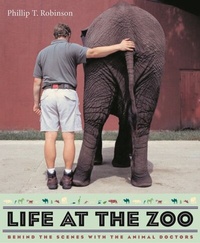
Life at the Zoo
Behind the Scenes with the Animal Doctors
1st Edition
Published on 29. October 2015
320 pages
978-0-231-50719-6 (ISBN)
Description

Please Do Not Annoy, torment, pester, plague, molest, worry, badger, harry, persecute, irk, bullyrag, vex, disquiet, grate, beset, bother, tease, nettle, tantalize or ruffle the Animals.-sign at zoo
Since the early days of traveling menageries and staged attractions that included animal acts, balloon ascents, and pyrotechnic displays, zoos have come a long way. The Ménagerie du Jardin des Plantes in Paris, founded in 1793, didn't offer its great apes lessons in parenting or perform dental surgery on leopards. Certainly the introduction of veterinary care in the nineteenth century-and its gradual integration into the twentieth-has had much to do with this. Today, we expect more of zoos as animal welfare concerns have escalated along with steady advances in science, medicine, and technology. Life at the Zoo is an eminent zoo veterinarian's personal account of the challenges presented by the evolution of zoos and the expectations of their visitors. Based on fifteen years of work at the world-famous San Diego Zoo, this charming book reveals the hazards and rewards of running a modern zoo.
Zoos exist outside of the "natural" order in which the worlds of humans and myriad exotic animals would rarely, if ever, collide. But this unlikely encounter is precisely why today's zoos remain the sites of much humor, confusion, and, occasionally, danger. This book abounds with insights on wildlife (foulmouthed parrots, gum-chewing chimps, stinky flamingoes), human behavior (the fierce competition for zookeeper jobs, the well-worn shtick of tour guides), and the casualties-both animal and human-of ignorance and carelessness. Phillip Robinson shows how animal exhibits are developed and how illnesses are detected and describes the perils of working around dangerous creatures. From escaping the affections of a leopard that thought he was a lap cat to training a gorilla to hold her newborn baby gently (instead of scrubbing the floor with it) and from operating on an anesthetized elephant ("I had the insecure sensation of working under a large dump truck with a wobbly support jack") to figuring out why a zoo's polar bears were turning green in color, Life at the Zoo tells irresistible stories about zoo animals and zoo people.
Since the early days of traveling menageries and staged attractions that included animal acts, balloon ascents, and pyrotechnic displays, zoos have come a long way. The Ménagerie du Jardin des Plantes in Paris, founded in 1793, didn't offer its great apes lessons in parenting or perform dental surgery on leopards. Certainly the introduction of veterinary care in the nineteenth century-and its gradual integration into the twentieth-has had much to do with this. Today, we expect more of zoos as animal welfare concerns have escalated along with steady advances in science, medicine, and technology. Life at the Zoo is an eminent zoo veterinarian's personal account of the challenges presented by the evolution of zoos and the expectations of their visitors. Based on fifteen years of work at the world-famous San Diego Zoo, this charming book reveals the hazards and rewards of running a modern zoo.
Zoos exist outside of the "natural" order in which the worlds of humans and myriad exotic animals would rarely, if ever, collide. But this unlikely encounter is precisely why today's zoos remain the sites of much humor, confusion, and, occasionally, danger. This book abounds with insights on wildlife (foulmouthed parrots, gum-chewing chimps, stinky flamingoes), human behavior (the fierce competition for zookeeper jobs, the well-worn shtick of tour guides), and the casualties-both animal and human-of ignorance and carelessness. Phillip Robinson shows how animal exhibits are developed and how illnesses are detected and describes the perils of working around dangerous creatures. From escaping the affections of a leopard that thought he was a lap cat to training a gorilla to hold her newborn baby gently (instead of scrubbing the floor with it) and from operating on an anesthetized elephant ("I had the insecure sensation of working under a large dump truck with a wobbly support jack") to figuring out why a zoo's polar bears were turning green in color, Life at the Zoo tells irresistible stories about zoo animals and zoo people.
All prices
More details
Other editions
Additional editions
Book
05/2007
Columbia University Press
€25.50
Shipment within 10-20 days
Book
08/2004
Columbia University Press
€51.47
Article exhausted; check different version
Person
Phillip T. Robinson directed the veterinary medical program at the San Diego Zoo for ten years. He then became director of veterinary services and animal resources at the University of California, San Diego. A founding member of the board specialty of zoological medicine of the American College of Zoological Medicine and a past president of the American Association of Zoo Veterinarians, he has also worked on the medical problems of animals in private collections and has been on the design team for several major zoo-animal medical facilities in the United States.
Content
Preface
Introduction
1. Intern at the Zoo: An Eclectic Orientation
2. Too Early for the Autopsy: Fitting in at the Zoo
3. Growing Pains: Educating the Menagerie Makers
4. The Keepers: Nurturing the Health of Animals
5. Zoo Babies: Promoting Motherhood
6. Exhibit Making: Creating Zoo Ecosystems
7. Creature Comfort: The Power of Microenvironments
8. What's This Thing? Searching for the Normal
9. Holding the Tiger: Zoos Say Yes to Drugs
10. Finding the Sick in the Zoo: Seeking Out Disease and Discomfort
11. Feeding the Ark: The Nutritional Wisdom of Animals
12. Getting Closer to Animals: Judas Goats and Alpaca Coats
13. So, You Work at the Zoo? Employees, Visitors, and Fence Jumpers
14. Animal Cases and Chases: And Some Things Better Kept to Myself
15. Zoo Regulars: Coworkers Without Titles
16. Ethical Captivity: Animal Well-Being in Zoos
17. What a Zoo Should Be: And Ought Not Be
Annotated Bibliography of Selected Works on Zoos
Index
Photo Credits and Attributions
Introduction
1. Intern at the Zoo: An Eclectic Orientation
2. Too Early for the Autopsy: Fitting in at the Zoo
3. Growing Pains: Educating the Menagerie Makers
4. The Keepers: Nurturing the Health of Animals
5. Zoo Babies: Promoting Motherhood
6. Exhibit Making: Creating Zoo Ecosystems
7. Creature Comfort: The Power of Microenvironments
8. What's This Thing? Searching for the Normal
9. Holding the Tiger: Zoos Say Yes to Drugs
10. Finding the Sick in the Zoo: Seeking Out Disease and Discomfort
11. Feeding the Ark: The Nutritional Wisdom of Animals
12. Getting Closer to Animals: Judas Goats and Alpaca Coats
13. So, You Work at the Zoo? Employees, Visitors, and Fence Jumpers
14. Animal Cases and Chases: And Some Things Better Kept to Myself
15. Zoo Regulars: Coworkers Without Titles
16. Ethical Captivity: Animal Well-Being in Zoos
17. What a Zoo Should Be: And Ought Not Be
Annotated Bibliography of Selected Works on Zoos
Index
Photo Credits and Attributions

