

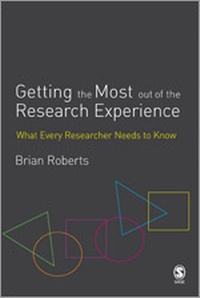
Getting the Most Out of the Research Experience
What Every Researcher Needs to Know
1st Edition
Published on 20. March 2007
176 pages
978-1-84860-493-3 (ISBN)
Description

'The book gives a comprehensive overview of what research and the research experience encompass....This book makes an interesting read for everyone who has carried out qualitative research or is planning to do so in the future. It is well-written, and very clearly structured' - Social Research Association
While each research situation is different and no book can fully prepare the researcher for what they experience - this book provides a guide to what may be expected. Brian Roberts takes the researcher through the research process, answering the practical and subjective questions anyone will face:
- entering the field and finding the right research topic
- emotional and identity issues of research
- overcoming writing and research 'blocks'
- getting your research into reports, articles and books
- reactions to research and how to handle experiences of rejection
- and the questions every researcher should ask: What do I get from research, and what next?
Loaded with advice on everything from organizing interpretations to coping with stress, this book is a must-read for students of all levels across the social sciences who are about to enter the research field.
While each research situation is different and no book can fully prepare the researcher for what they experience - this book provides a guide to what may be expected. Brian Roberts takes the researcher through the research process, answering the practical and subjective questions anyone will face:
- entering the field and finding the right research topic
- emotional and identity issues of research
- overcoming writing and research 'blocks'
- getting your research into reports, articles and books
- reactions to research and how to handle experiences of rejection
- and the questions every researcher should ask: What do I get from research, and what next?
Loaded with advice on everything from organizing interpretations to coping with stress, this book is a must-read for students of all levels across the social sciences who are about to enter the research field.
Reviews / Votes
"Roberts offers an easy-to-read introduction to managing both the research process and the emotional challenges often associated with it." -CHOICE -- CHOICE * CHOICE * "Roberts offers an easy-to-read introduction to managing both the research process and the emotional challenges often associated with it. With its holistic approach and attention to almost of all aspects of the research process, this work (despite some deficiencies) should benefit beginning researchers. Summing up: Recommended." -- R.V. LabareeAll prices
More details
Language
English
Place of publication
London
United Kingdom
Target group
College/higher education
ISBN-13
978-1-84860-493-3 (9781848604933)
Copyright in bibliographic data and cover images is held by Nielsen Book Services Limited or by the publishers or by their respective licensors: all rights reserved.
Schweitzer Classification
Other editions
Additional editions
Book
03/2007
1st Edition
SAGE Publications Inc
€212.44
Shipment within 15-20 days
Book
03/2007
1st Edition
SAGE Publications Inc
€93.20
Shipment within 15-20 days
Person
Brian Roberts is Principal Lecturer in Sociology at the University of Huddersfield.
Content
PART ONE: THE RESEARCHER
The Conduct of Research
What is Research?
What is a 'Researcher'?
Images of Sociology and the Sociologist
Research Roles and Researcher Characteristics
PART TWO: RESEARCH STYLES, ROLES AND CONTEXTS
Styles of Research - Qualitative and Quantitative Research Experience
The Status and Stance of Styles of Research
How important is being a researcher to you?
Where do research topics come from?
Networking - research as market/research as friendship
The Search for Funds
Research Relations in Different Social Settings
Competing Research Roles
PART THREE: THE 'EMOTIONAL' ASPECTS OF RESEARCH
Research and 'Emotional Labour'
'Reflexivity' and the Research Experience
Everyday Life Skills in Research
Experiential Distraction
Working with Others in Research
Subjective Support
Overcoming Isolation
Dealing with Anxiety and Stress
PART FOUR: ENTERING THE RESEARCH - THE PRESENTATION OF THE RESEARCHER'S SELF
The Researcher's Self in Research
Sociological Imagination and Research Practice
Early Days in Research
Reasons to Research
The PhD Experience
Research 'Hold-ups'
PART FIVE:INTERPRETATION IN RESEARCH
The Researcher-as-Interpreter/Theorist
The Research Diary
Data, and yet More Data
Organising Interpretations and New Ideas
PART SIX: WRITING RESEARCH
Academic Writing as a Genre
New Writing Practices and Representation
Writing and Relations with Others
Research Autobiographies and Auto/ethnography.
The Researcher Account and 'Confessions'
'Writing Up' Research
Writing Blockages
Writing for an Audience
PART SEVEN:DISSEMINATION
What is 'Research Dissemination'?
Dissemination and Audience Issues
The Doctoral Thesis
The Research Report and Briefing
The Conference Paper
Articles in Books and Journals
Books - Proposals and Publishers
The Internet
Research and Teaching - the use of research in the classroom
PART EIGHT:REACTION TO RESEARCH
Reactions to Research Dissemination
'Self' and Audience Reactions to Research
Feedback on Journal and Article Submission
PART NINE: WHAT NEXT IN MY RESEARCH?
End of the 'Adventure' - what next?
Academic Labour and its Organisation
Professional and Personal Identities in the Conduct of Research
Rewriting the CV
The Researcher's Life/Life as Research Career - in Academia?
PART TEN: CONCLUSION - THE RESEARCHER'S EXPERIENCE OF RESEARCH
Researcher Experience in Research
Researcher Experience and the Emotions
Researcher Insights and Reflections
Orientations to the Researched Revisited
The Conduct of Research
What is Research?
What is a 'Researcher'?
Images of Sociology and the Sociologist
Research Roles and Researcher Characteristics
PART TWO: RESEARCH STYLES, ROLES AND CONTEXTS
Styles of Research - Qualitative and Quantitative Research Experience
The Status and Stance of Styles of Research
How important is being a researcher to you?
Where do research topics come from?
Networking - research as market/research as friendship
The Search for Funds
Research Relations in Different Social Settings
Competing Research Roles
PART THREE: THE 'EMOTIONAL' ASPECTS OF RESEARCH
Research and 'Emotional Labour'
'Reflexivity' and the Research Experience
Everyday Life Skills in Research
Experiential Distraction
Working with Others in Research
Subjective Support
Overcoming Isolation
Dealing with Anxiety and Stress
PART FOUR: ENTERING THE RESEARCH - THE PRESENTATION OF THE RESEARCHER'S SELF
The Researcher's Self in Research
Sociological Imagination and Research Practice
Early Days in Research
Reasons to Research
The PhD Experience
Research 'Hold-ups'
PART FIVE:INTERPRETATION IN RESEARCH
The Researcher-as-Interpreter/Theorist
The Research Diary
Data, and yet More Data
Organising Interpretations and New Ideas
PART SIX: WRITING RESEARCH
Academic Writing as a Genre
New Writing Practices and Representation
Writing and Relations with Others
Research Autobiographies and Auto/ethnography.
The Researcher Account and 'Confessions'
'Writing Up' Research
Writing Blockages
Writing for an Audience
PART SEVEN:DISSEMINATION
What is 'Research Dissemination'?
Dissemination and Audience Issues
The Doctoral Thesis
The Research Report and Briefing
The Conference Paper
Articles in Books and Journals
Books - Proposals and Publishers
The Internet
Research and Teaching - the use of research in the classroom
PART EIGHT:REACTION TO RESEARCH
Reactions to Research Dissemination
'Self' and Audience Reactions to Research
Feedback on Journal and Article Submission
PART NINE: WHAT NEXT IN MY RESEARCH?
End of the 'Adventure' - what next?
Academic Labour and its Organisation
Professional and Personal Identities in the Conduct of Research
Rewriting the CV
The Researcher's Life/Life as Research Career - in Academia?
PART TEN: CONCLUSION - THE RESEARCHER'S EXPERIENCE OF RESEARCH
Researcher Experience in Research
Researcher Experience and the Emotions
Researcher Insights and Reflections
Orientations to the Researched Revisited
