

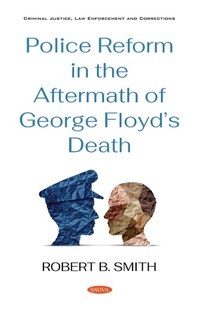
Police Reform in the Aftermath of George Floyd's Death
Published on 26. October 2020
372 pages
978-1-5361-8550-8 (ISBN)
Description

The death of George Floyd in Minneapolis, MN, while he was in the custody of law enforcement, combined with several other recent high-profile deaths of African Americans at the hands of the police, have generated congressional interest in legislation to reform state and local policing practices, and to require law enforcement agencies to collect more data on law enforcement actions and activities and share these data with the public. Two major pieces of legislation that contain police reform proposals are before Congress: H.R. 7120, the George Floyd Justice in Policing Act of 2020-passed by the House on June 25, 2020-and S. 3985, the Just and Unifying Solutions to Invigorate Communities Everywhere (JUSTICE) Act. This book discusses the current issues associated with police reform.
More details
Other editions
Additional editions
Robert B. Smith
Police Reform in the Aftermath of George Floyd's Death
Book
09/2020
Nova Science Publishers Inc
€303.55
Shipment within 15-20 days
Content
- Intro
- Contents
- Preface
- Chapter 1
- George Floyd Justice in Policing Act of 2020(
- Title I-Police Accountability
- Subtitle A-Holding Police Accountable in the Courts
- Sec. 101. Deprivation of Rights under Color of Law
- Sec. 102. Qualified Immunity Reform
- Sec. 103. Pattern and Practice Investigations
- Sec. 104. Independent Investigations
- Subtitle B-Law Enforcement Trust and Integrity Act
- Sec. 111. Short Title
- Sec. 112. Definitions
- Sec. 113. Accreditation of Law Enforcement Agencies
- Sec. 114. Law Enforcement Grants
- Sec. 115. Attorney General to Conduct Study
- Sec. 116. Authorization of Appropriations
- Sec. 117. National Task Force on Law Enforcement Oversight
- Sec. 118. Federal Data Collection on Law Enforcement Practices
- Title II-Policing Transparency through Data
- Subtitle A-National Police Misconduct Registry
- Sec. 201. Establishment of National Police Misconduct Registry
- Sec. 202. Certification Requirements for Hiring of Law Enforcement Officers
- Subtitle B-PRIDE Act
- Sec. 221. Short Title
- Sec. 222. Definitions
- Sec. 223. Use of Force Reporting
- Sec. 224. Use of Force Data Reporting
- Sec. 225. Compliance with Reporting Requirements
- Sec. 226. Federal Law Enforcement Reporting
- Sec. 227. Authorization of Appropriations
- Title III-Improving Police Training and Policies
- Subtitle A-End Racial and Religious Profiling Act
- Sec. 301. Short Title
- Sec. 302. Definitions
- Part I-Prohibition of Racial Profiling
- Sec. 311. Prohibition
- Sec. 312. Enforcement
- Part II-Programs to Eliminate Racial Profiling by Federal Law Enforcement Agencies
- Sec. 321. Policies to Eliminate Racial Profiling
- Part III-Programs to Eliminate Racial Profiling by State and Local Law Enforcement Agencies
- Sec. 331. Policies Required for Grants
- Sec. 332. Involvement of Attorney General
- Sec. 333. Data Collection Demonstration Project
- Sec. 334. Development of Best Practices
- Sec. 335. Authorization of Appropriations
- Part IV-Data Collection
- Sec. 341. Attorney General to Issue Regulations
- Sec. 342. Publication of Data
- Sec. 343. Limitations on Publication of Data
- Part V-Department of Justice Regulations and Reports on Racial Profiling in the United States
- Sec. 351. Attorney General to Issue Regulations and Reports
- Subtitle B-Additional Reforms
- Sec. 361. Training on Racial Bias and Duty to Intervene
- Sec. 362. Ban on No-Knock Warrants in Drug Cases
- Sec. 363. Incentivizing Banning of Chokeholds and Carotid Holds
- Sec. 364. Peace Act
- "§ 1123. Limitation on Justification Defense for Federal Law Enforcement Officers
- Sec. 365. Stop Militarizing Law Enforcement Act
- Sec. 366. Public Safety Innovation Grants
- Subtitle C-Law Enforcement Body Cameras
- Part 1-Federal Police Camera and Accountability Act
- Sec. 371. Short Title
- Sec. 372. Requirements for Federal Law Enforcement Officers Regarding the Use of Body Cameras
- Sec. 373. Patrol Vehicles with in-Car Video Recording Cameras
- Sec. 374. Facial Recognition Technology
- Sec. 375. GAO Study
- Sec. 376. Regulations
- Sec. 377. Rule of Construction
- Part 2-Police Camera Act
- Sec. 381. Short Title
- Sec. 382. Law Enforcement Body-Worn Camera Requirements
- "Part OO-Law Enforcement Body-Worn Cameras and Recorded Data
- "Sec. 3051. Use of Grant Funds
- "Sec. 3052. Body-Worn Camera Training Toolkit
- "Sec. 3053. Study
- Title IV-Justice for Victims of Lynching Act
- Sec. 401. Short Title
- Sec. 402. Findings
- Sec. 403. Lynching
- "§ 250. Lynching
- Title V-Miscellaneous Provisions
- Sec. 501. Severability
- Sec. 502. Savings Clause
- Purpose and Summary
- Background and Need for the Legislation
- Background
- The Link between Race and Concerns About Use of Excessive Force by Police
- Killings since 2014 of African-Americans in Police Custody and Movement for Police Accountability and Transparency
- The Burden on Law Enforcement
- Need for Legislation
- Post-Incident Accountability Measures
- "Pattern or Practice" Enforcement Actions under 34 U.S.C. § 12601
- Federal Criminal Enforcement Pursuant to 18 U.S.C. § 242
- Civil Action for Deprivation of Constitutional Rights
- Independent Investigations, Departmental Discipline, and Civilian Oversight
- Data Collection Measures
- Pre-Incident Measures to Reduce Risk of Violent Police-Citizen Encounters
- Use of Force Standards
- Accreditation
- Training to End Racial Profiling and to Reduce Risk of Violent Interactions between Police and Racial and Other Minorities
- Ban on Chokeholds and Carotid Holds
- Ban on No-Knock Warrants in Drug Cases
- Limit Transfers of Military Equipment for Police
- Background on 1033 Program
- Regulation of the 1033 Program
- Body Cameras and Limits on Facial Recognition Technology
- Law Enforcement and Body Cameras
- Facial Recognition Technology
- Federal Government Use of Facial Recognition Technology
- Facial Recognition's Shortcomings
- Incentivizing Public Safety Innovations
- Criminalizing Conspiracy to Engage in Lynching
- Alternative Proposals Offered by President Trump and Senator Scott Are Insufficient
- Hearings
- Committee Consideration
- Committee Votes
- Committee Oversight Findings
- New Budget Authority and Tax Expenditures and Congressional Budget Office Cost Estimate
- Duplication of Federal Programs
- Performance Goals and Objectives
- Advisory on Earmarks
- Section-by-Section Analysis
- Title I-Police Accountability
- Subtitle A-Holding Police Accountable in the Courts
- Section 102. Qualified Immunity Reform
- Section 103. Pattern and Practice Investigations
- Section 104. Independent Investigations
- Subtitle B-Law Enforcement Trust and Integrity Act
- Section 111. Short Title
- Section 112. Definitions
- Section 113. Accreditation of Law Enforcement Agencies
- Section 114. Law Enforcement Grants
- Section 115. Attorney General to Conduct Study
- Section 116. Authorization of Appropriations
- Section 117. National Task Force on Law Enforcement Oversight
- Section 118. Federal Data Collection Law Enforcement Practices
- Title II-Policing Transparency through Data
- Subtitle A-Misconduct Registry
- Section 201. Establishment of National Police Misconduct Registry
- Section 202. Certification Requirements for Hiring of Law Enforcement Officers
- Subtitle B-Police Reporting Information Data and Evidence (Pride) Act
- Section 221. Short Title
- Section 222. Definitions
- Section 223. Use of Force Reporting
- Section 224. Use of Force Data Reporting
- Section 225. Compliance with Reporting Requirements
- Section 226. Federal Law Enforcement Reporting
- Section 227. Authorization of Appropriations
- Title III-Improving Police Training and Policies
- Subtitle A-End Racial and Religious Profiling Act
- Section 301. Short Title
- Section 302. Definitions
- Part I-Prohibition of Racial Profiling
- Section 311. Prohibition
- Section 312. Enforcement
- Part II-Programs to Eliminate Racial Profiling by Federal Law Enforcement Agencies
- Section 321. Policies to Eliminate Racial Profiling
- Part III-Programs to Eliminate Racial Profiling by State and Local Law Enforcement Agencies
- Section 331. Policies Required for Grants
- Section 332. Involvement of Attorney General
- Section 333. Data Collection Demonstration Project
- Section 334. Development of Best Practices
- Section 335. Authorization of Appropriations
- Part IV-Data Collection
- Section 341. Attorney General to Issue Regulations
- Section 342. Publication of Data
- Section 343. Limitations on Publication of Data
- Part V-Department of Justice Regulations and Reports on Racial Profiling in the United States
- Section 351. Attorney General to Issue Regulations and Reports
- Subtitle B-Additional Reforms
- Section 361. Training on Racial Bias and Duty to Intervene
- Section 362. Ban on No-Knock Warrants in Drug Cases
- Section 363. Incentivizing Banning of Chokeholds and Carotid Holds
- Section 364. PEACE Act
- Section 365. Stop Militarizing Law Enforcement Act
- Section 366. Public Safety Innovation Grants
- Subtitle C-Law Enforcement Body Cameras
- Part I-Federal Police Camera and Accountability Act
- Section 371. Short Title
- Section 372. Requirements for Federal Law Enforcement Officers Regarding the Use of Body Cameras
- Section 373. Patrol Vehicles with In-Car Video Recording Cameras
- Section 374. Facial Recognition Technology
- Section 375. GAO Study
- Section 376. Regulations
- Section 377. Rule of Construction
- Part 2-Police Camera Act
- Section 381. Short Title
- Section 382. Law Enforcement Body-Worn Camera Requirements
- Title IV-Justice for Victims of Lynching Act
- Section 401. Short Title
- Section 402. Findings
- Section 403. Lynching
- Title V-Miscellaneous Provisions
- Section 501. Severability
- Section 502. Savings Clause
- Changes in Existing Law Made by the Bill, as Reported
- Changes in Existing Law Made by the Bill, as Reported
- Title 18, United States Code
- Part I-Crimes
- Chapter 13-Civil Rights
- § 242. Deprivation of Rights under Color of Law
- § 250. Lynching
- Chapter 51-Homicide
- § 1123. Limitation on Justification Defense for Federal Law Enforcement Officers
- Revised Statutes of the United States
- Title XXIV
- Violent Crime Control and Law Enforcement Act of 1994
- Title XXI-State and Local Law Enforcement
- Subtitle D-Police Pattern or Practice
- Sec. 210401. Cause of Action
- Sec. 210402. Data on Use of Excessive Force
- Omnibus Crime Control and Safe Streets Act of 1968
- Title I-Justice System Improvement
- Part E-Bureau of Justice Assistance Grant Programs
- Subpart 1-Edward Byrne Memorial Justice Assistance Grant Program
- Sec. 501. Description
- Sec. 502. Applications
- Part Q-Public Safety and Community Policing
- "Cops on the Beat"
- Sec. 1701. Authority to Make Public Safety and Community Policing Grants.
- Sec. 1709. Definitions
- Part OO-Law Enforcement Body-Worn Cameras and Recorded Data
- Sec. 3051. Use of Grant Funds
- Sec. 3052. Body-Worn Camera Training Toolkit
- Sec. 3053. Study
- Controlled Substances Act
- Title II-Control and Enforcement
- Part E-Administrative and Enforcement Provisions
- Search Warrants
- Title 10, United States Code
- Subtitle A-General Military Law
- Part IV-Service, Supply, and Procurement
- Chapter 153-Exchange of Material and Disposal of Obsolete, Surplus, or Unclaimed Property
- § 2576a. Excess Personal Property: Sale or Donation for Law Enforcement Activities
- Minority Views
- H.R. 7120 as Drafted Will Handicap Law-Abiding Law Enforcement Officers and Make American Communities Less Safe
- Lowering the Mens Rea Standard-Section 101
- Removal of the Qualified Immunity Doctrine-Section 102
- Establishment of a National Police Misconduct Registry-Section 201
- Limiting Federal Programs That Provide Military Equipment to Law Enforcement-Section 365
- Republican Amendments Rejected by the Democrat Majority Would Have Improved the Legislation
- Improving Police Accountability
- Strengthening Penalties for Lynching
- Ensuring Adequate Border Security
- Chapter 2
- Comparing Police Reform Bills: The Justice in Policing Act and the JUSTICE Act(
- Subjects Covered by Both Bills
- Limitations on Chokeholds and Other Uses of Force
- No-Knock Warrants
- Body Cameras
- Law Enforcement Misconduct and Disciplinary Records
- Training, Best Practices, and Accreditation
- Reporting on Use of Force and Other Matters
- Sexual Acts Under Color of Law
- Law Enforcement Demographics
- Provisions Unique to the Justice in Policing Act
- Criminal Liability For Civil Rights Violations
- Qualified Immunity
- Civil Rights Investigations
- Use of Force Investigations
- Racial Profiling
- Provisions Unique to the JUSTICE Act
- New Criminal Offense
- Anti-Lynching Provisions
- Exploratory Commissions
- Chapter 3
- Congress and Police Reform: Current Law and Recent Proposals(
- Federal Regulation of State and Local Law Enforcement
- Federal Criminal Law
- DOJ Civil Enforcement
- Private Civil Rights Litigation
- Grant Conditions and Federal Oversight
- June 2020 Executive Order
- Proposals for Law Enforcement Reform in Congress
- Qualified Immunity
- Criminal Liability
- Limitations on Military-Grade Equipment
- Grants and Conditions on Federal Funds
- Comprehensive Reform Efforts
- The Justice in Policing Act of 2020
- The JUSTICE Act
- Chapter 4
- Congress and Law Enforcement Reform: Constitutional Authority(
- Limits to Congressional Authority
- Spending Power and Regulating Law Enforcement Activities
- Section 5 of the Fourteenth Amendment and Regulating Law Enforcement Activities
- Considerations for Congress
- Chapter 5
- Policing Reform Legislation: Conditions on Funding and New Authorizations(
- Abstract
- Conditions on Department of Justice Grant Programs in H.R. 7120 and S. 3985
- Authorized and Appropriated Funding in H.R. 7120 and S. 3985
- Chapter 6
- Policing the Police: Qualified Immunity and Considerations for Congress(
- What Is Qualified Immunity?
- Historical Development of Qualified Immunity
- The Debate over Qualified Immunity
- Considerations for Congress
- Chapter 7
- Police Accountability Measures(
- Data on Use of Force
- Independent Investigations of the Use of Excessive Force
- Early Warning Systems
- National Decertification Index
- Body-Worn Cameras
- Civilian Review Boards
- Chapter 8
- Programs to Collect Data on Law Enforcement Activities: Overview and Issues(
- Abstract
- Introduction
- Legislative Proposals to Collect Data on Law Enforcement Activities
- H.R. 7120, the George Floyd Justice in Policing Act
- Data on Law Enforcement Practices
- Data on Use of Force
- Data on Racial Profiling
- S. 3985, the JUSTICE Act
- Mandatory Participation in the Federal Bureau of Investigation's Use-of-Force Data Collection Program
- Data on No-Knock Warrants
- Current Department of Justice Efforts to Collect Data on Law Enforcement Activities
- Use-of-Force Data Collection Program
- Deaths in Custody Reporting Program
- Selected Issues
- Potential Overlap Between Data Collection Programs in H.R. 7120 and S. 3985
- Scope of Racial Profiling Data in H.R. 7120
- Structures for Collecting Data in H.R. 7120 and S. 3985
- Agency Responsible for Overseeing Data Collection in H.R. 7120 and S. 3985
- Conditions on JAG Funds in H.R. 7120 and S. 3985
- Chapter 9
- Federal Police Oversight: Criminal Civil Rights Violations Under 18 U.S.C. § 242(
- Introduction
- History and Text of Section 242
- Enforcement and Judicial Interpretation of Section 242
- Acting Under Color of Law
- Deprivation of Rights
- Differential Punishment
- Willfulness Requirement
- Considerations for Congress
- Chapter 10
- Regulating Federal Law Enforcement: Considerations for Congress
- Introduction
- Current Law Regulating Federal Law Enforcement
- Federal Criminal Law
- Administrative Remedies
- Civil Remedies Under Bivens and the FTCA
- Bivens Claims
- The FTCA
- Considerations for Congress
- Chapter 11
- What Role Might the Federal Government Play in Law Enforcement Reform?(
- Introduction
- Limits of Congressional Authority
- Tools Available to the Federal Government to Promote Law Enforcement Reform
- Investigating Law Enforcement Misconduct
- The Influence of DOJ on Policing
- Law Enforcement Reform Efforts in the Current Congress
- Policy Options
- Chapter 12
- Overview of Recent Anti-Lynching Proposals(
- Introduction
- Chapter 13
- Proposals for Systems of Records on "Wandering Officers"(
- Introduction
- Recommendation of the 21st Century Policing Task Force
- National Decertification Index
- Legislative Proposals
- Wandering Officers Find New Jobs
- Legislative Issues
- Access
- Database Changes
- Privacy Risks
- Legislative Issues
- Access
- Database Changes
- Privacy Risks
- Chapter 14
- Reforming Patterns of Unconstitutional Policing: Enforcement of 34 U.S.C. § 12601*
- Introduction
- Section 12601's Requirements and Procedures
- Constitutional Violations and Section 12601
- Investigation Targets and Investigation Challenges
- Section 12601 Remedies and Consent Decrees
- Prosecutorial Discretion and DOJ's Enforcement History
- Considerations for Congress
- Index
- Blank Page
- Blank Page
