

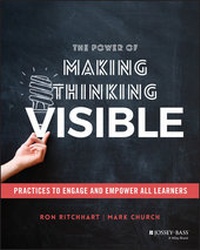
The Power of Making Thinking Visible
Practices to Engage and Empower All Learners
1st Edition
Published on 4. June 2020
272 pages
978-1-119-62619-0 (ISBN)
Description

The long-awaited follow-up to Making Thinking Visible, provides new thinking routines, original research, and unique global case studies
Visible Thinking--a research-based approach developed at Harvard's Project Zero - prompts and promotes students' thinking. This approach has been shown to positively impact student engagement, learning, and development as thinkers. Visible Thinking involves using thinking routines, documentation, and effective questioning and listening techniques to enhance learning and collaboration in any learning environment. The Power of Making Thinking Visible explains how educators can effectively use thinking routines and other tools to engage and empower students as learners and transform classrooms into places of deep learning.
Building on the success of the bestselling Making Thinking Visible, this highly-anticipated new book expands the work of the original by providing 18 new thinking routines based on new research and work with teachers and students around the world. Original content explains how to use thinking routines to maximum effect in the classroom, engage students exploration of big ideas, link thinking routines to formative assessment, and more. Providing new research, new global case studies, and new practices, this book:
* Focuses on the power that thinking routines can bring to learning
* Provides practical insights on using thinking routines to facilitate student engagement
* Highlights the most effective techniques for using thinking routines in the classroom
* Identifies the skillsets and mindsets needed to truly make thinking visible
* Features actionable classroom strategies that can be applied across grade levels and content areas
Written by researchers from Harvard's Project Zero, The Power of Making Thinking Visible: Using Routines to Engage and Empower Learners is an indispensable resource for K-12 educators and curriculum designers, higher education instructional designers and educators, and professional learning course developers.
Visible Thinking--a research-based approach developed at Harvard's Project Zero - prompts and promotes students' thinking. This approach has been shown to positively impact student engagement, learning, and development as thinkers. Visible Thinking involves using thinking routines, documentation, and effective questioning and listening techniques to enhance learning and collaboration in any learning environment. The Power of Making Thinking Visible explains how educators can effectively use thinking routines and other tools to engage and empower students as learners and transform classrooms into places of deep learning.
Building on the success of the bestselling Making Thinking Visible, this highly-anticipated new book expands the work of the original by providing 18 new thinking routines based on new research and work with teachers and students around the world. Original content explains how to use thinking routines to maximum effect in the classroom, engage students exploration of big ideas, link thinking routines to formative assessment, and more. Providing new research, new global case studies, and new practices, this book:
* Focuses on the power that thinking routines can bring to learning
* Provides practical insights on using thinking routines to facilitate student engagement
* Highlights the most effective techniques for using thinking routines in the classroom
* Identifies the skillsets and mindsets needed to truly make thinking visible
* Features actionable classroom strategies that can be applied across grade levels and content areas
Written by researchers from Harvard's Project Zero, The Power of Making Thinking Visible: Using Routines to Engage and Empower Learners is an indispensable resource for K-12 educators and curriculum designers, higher education instructional designers and educators, and professional learning course developers.
More details
Other editions
Additional editions
Ron Ritchhart | Mark Church
The Power of Making Thinking Visible: Practices to Engage and Empower All Learners
Practices to Engage and Empower All Learners
Book
05/2020
1st Edition
Jossey-Bass
€30.00
Shipment within 15-20 days
Persons
RON RITCHHART is a Senior Research Associate at Harvard Project Zero and Fellow at the University of Melbourne, Australia. His current research focuses on developing intellectual character, making thinking visible, and promoting deep learning.
MARK CHURCH has been an educator for over twenty years and has particular interest in helping teachers and school leaders think deeply about their efforts to cultivate thinking and learning opportunities for students.
Ron Ritchhart and Mark Church (with Karin Morrison) are the coauthors of Making Thinking Visible.
MARK CHURCH has been an educator for over twenty years and has particular interest in helping teachers and school leaders think deeply about their efforts to cultivate thinking and learning opportunities for students.
Ron Ritchhart and Mark Church (with Karin Morrison) are the coauthors of Making Thinking Visible.
Content
List of Figures ix
Acknowledgments xi
About the Authors xv
Introduction xvii
Part One Laying the Foundation for Power 1
One Six Powers of Making Thinking Visible 3
Fostering Deep Learning 6
Cultivating Engaged Students 7
Changing the Role of the Student and Teacher 9
Enhancing Our Formative Assessment Practice 11
Improving Learning (Even When Measured by Standardized Tests) 13
Developing Thinking Dispositions 17
Conclusion 19
Two Making Thinking Visible: A Goal and Set of Practices 21
Making Thinking Visible as a Goal of Teaching 23
Making Thinking Visible as a Set of Practices 24
Organizing Thinking Routines 33
Part Two Eighteen Powerful Routines 37
Three Routines for Engaging with Others 39
Give One Get One 42
Ladder of Feedback 50
The Leaderless Discussion 59
SAIL: Share-Ask-Ideas-Learned 67
Making Meaning 76
+1 Routine 86
Four Routines for Engaging with Ideas 95
Question Sorts 98
Peeling the Fruit 107
The Story Routine: Main-Side-Hidden 117
Beauty & Truth 124
NDA 132
Take Note 140
Five Routines for Engaging in Action 147
PG&E: Predict-Gather-Explain 150
ESP+I 158
Be-Sure-To 166
What? So What? Now What? 174
The 3 Y's 182
The 4 If 's 190
Part Three Realizing the Power 199
Six Using Thinking Routines for Maximum Effect 201
Planning for Thinking 204
Being Primed for Thinking 211
Pressing for Thinking 215
Positioning for Thinking 219
Seven Learning to Support One Another as We Make Thinking Visible 223
Beyond the Toolset: Developing Our Skills at Using the Tools 226
Beyond the Skill Set: The Mindsets That Motivate Action 231
Supports for Developing Skill Sets and Mindsets 233
In Conclusion 239
References 241
Index 245
Acknowledgments xi
About the Authors xv
Introduction xvii
Part One Laying the Foundation for Power 1
One Six Powers of Making Thinking Visible 3
Fostering Deep Learning 6
Cultivating Engaged Students 7
Changing the Role of the Student and Teacher 9
Enhancing Our Formative Assessment Practice 11
Improving Learning (Even When Measured by Standardized Tests) 13
Developing Thinking Dispositions 17
Conclusion 19
Two Making Thinking Visible: A Goal and Set of Practices 21
Making Thinking Visible as a Goal of Teaching 23
Making Thinking Visible as a Set of Practices 24
Organizing Thinking Routines 33
Part Two Eighteen Powerful Routines 37
Three Routines for Engaging with Others 39
Give One Get One 42
Ladder of Feedback 50
The Leaderless Discussion 59
SAIL: Share-Ask-Ideas-Learned 67
Making Meaning 76
+1 Routine 86
Four Routines for Engaging with Ideas 95
Question Sorts 98
Peeling the Fruit 107
The Story Routine: Main-Side-Hidden 117
Beauty & Truth 124
NDA 132
Take Note 140
Five Routines for Engaging in Action 147
PG&E: Predict-Gather-Explain 150
ESP+I 158
Be-Sure-To 166
What? So What? Now What? 174
The 3 Y's 182
The 4 If 's 190
Part Three Realizing the Power 199
Six Using Thinking Routines for Maximum Effect 201
Planning for Thinking 204
Being Primed for Thinking 211
Pressing for Thinking 215
Positioning for Thinking 219
Seven Learning to Support One Another as We Make Thinking Visible 223
Beyond the Toolset: Developing Our Skills at Using the Tools 226
Beyond the Skill Set: The Mindsets That Motivate Action 231
Supports for Developing Skill Sets and Mindsets 233
In Conclusion 239
References 241
Index 245
