

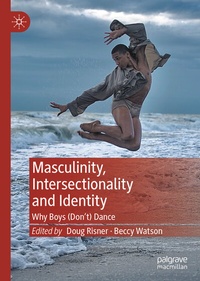
Masculinity, Intersectionality and Identity
Description

This unparalleled collection, international and innovative in scope, analyzes the dynamic tensions between masculinity and dance. Introducing a lens of intersectionality, the book's content examines why, despite burgeoning popular and contemporary representations of a normalization of dancing masculinities, some boys don't dance and why many of those who do struggle to stay involved. Prominent themes of identity, masculinity, and intersectionality weave throughout the book's conceptual frameworks of education and schooling, cultures, and identities in dance. Incorporating empirical studies, qualitative inquiry, and reflexive accounts, Doug Risner and Beccy Watson have assembled a unique volume of original chapters from established scholars and emerging voices to inform the future direction of interdisciplinary dance scholarship and dance education research. The book's scope spans several related disciplines including gender studies, queer studies, cultural studies, performance studies, and sociology. The volume will appeal to dancers, educators, researchers, scholars, students, parents, and caregivers of boys who dance. Accessible at multiple levels, the content is relevant for undergraduate students across dance, dance education, and movement science, and graduate students forging new analysis of dance, pedagogy, gender theory, and teaching praxis.
Reviews / Votes
"Masculinity, Intersectionality and Identity: Why Boys (Don't) Dance is a compelling lookinto the lives of male dancers and the challenges they face throughout their training and careers. This book is an essential choice for any dance educator. . Although I am a dance professional and can apply this information directly to my practice, I would also highly recommend this book to anyone who has a dancing boy in their life." (Christine Mazeppa, Journal of Dance Education, Vol. 23 (4), 2023)
More details
Other editions
Additional editions
Persons
Doug Risner is Professor of Dance and Distinguished Faculty Fellow, Wayne State University, and conducts research on the sociology of dance education, gender in dance, and humanizing dance pedagogies. His books include Stigma & Perseverance in the Lives of Boys Who Dance (2009); Hybrid Lives of Teaching Artists in Dance and Theatre Arts (2014); Dance & Gender: An Evidence-Based Approach (2017 ); and Ethical Dilemmas in Dance Education (2020) which in 2021 received the Susan W. Stinson Book Award for Dance Education and the NDEO | Ruth Lovell Murray Book Award.
Beccy Watson
is Reader in the Carnegie School of Sport, Leeds Beckett University, UK. Her research focuses on feminist/critical epistemologies, social inequalities and intersections across leisure, sport and dance contexts. She is a co-editor of the
Palgrave Handbook of Feminism and Sport, Leisure and Physical Recreation
(2018).
