

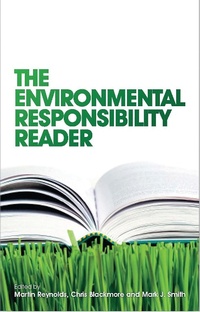
The Environmental Responsibility Reader
1st Edition
Published on 15. August 2009
369 pages
978-1-84813-401-0 (ISBN)
Description

The Environmental Responsibility Reader is a definitive collection of classic and contemporary environmental works that offers a comprehensive overview of the issues involved in environmental responsibility, steering the reader through each development in thought with a unifying and expert editorial voice.
This essential text expertly explores seemingly intractable modern-day environmental dilemmas - including climate change, fossil fuel consumption, fresh water quality, industrial pollution, habitat destruction, and biodiversity loss. Starting with 'Silent Spring' and moving through to more recent works the book draws on contemporary ideas of environmental ethics, corporate social responsibility, ecological justice, fair trade, global citizenship, and the connections between environmental and social justice; configuring these ideas into practical notions for responsible action with a unique global and integral focus on responsibility.
This essential text expertly explores seemingly intractable modern-day environmental dilemmas - including climate change, fossil fuel consumption, fresh water quality, industrial pollution, habitat destruction, and biodiversity loss. Starting with 'Silent Spring' and moving through to more recent works the book draws on contemporary ideas of environmental ethics, corporate social responsibility, ecological justice, fair trade, global citizenship, and the connections between environmental and social justice; configuring these ideas into practical notions for responsible action with a unique global and integral focus on responsibility.
Reviews / Votes
In these tumultuous times, I shall keep this rich mix of classic texts close at hand. They combine inspiration, ethics and pragmatic reflection on why we have reached the crisis we face today and tomorrow. * Camilla Toulmin, International Institute for Environment and Development * This collection brings together in one place key texts of leading thinkers in environmental ethics. No one who takes environmental responsibility seriously will want to be without this book. * Ruth Chadwick, Cardiff University * The readings brought together into this volume provide hugely valuable insights into how best we could navigate this landscape of environmental risks and opportunities more successfully. * Tom Burke, E3G * A welcome and timely reminder that we need to take up our environmental responsibilities now following the inspiring guidance provided by this excellent collection. * Wendy Harcourt *More details
Edition
1. Auflage
Language
English
Place of publication
London
United Kingdom
Publishing group
Bloomsbury Publishing PLC
Target group
College/higher education
Professional and scholarly
ISBN-13
978-1-84813-401-0 (9781848134010)
Copyright in bibliographic data and cover images is held by Nielsen Book Services Limited or by the publishers or by their respective licensors: all rights reserved.
Schweitzer Classification
Other editions
Additional editions
Martin Reynolds | Christine Blackmore | Mark J. Smith
The Environmental Responsibility Reader
Book
03/2009
Zed Books Ltd
€118.40
Shipment within 3-4 weeks
Martin Reynolds | Christine Blackmore | Mark J. Smith
The Environmental Responsibility Reader
Book
03/2009
Zed Books Ltd
€49.70
Article exhausted; check different version
Persons
Martin Reynolds, a Lecturer in Systems at The Open University and Chair for Environmental ethics. He has researched and published widely, including his book: Operational Research and Environmental Management (2001), and contributed to many book chapters, journal papers and policy briefings.
Chris Blackmore, a Senior Lecturer in Systems and Environment at The Open University. She is currently a member of the management team for the OU-wide Ethics Centre.
Mark J. Smith is author and editor of numerous books, including Environment and Citizenship (2008). Formerly at Sussex University, his visiting professorships include the University of Oslo and Norwegian Business School and he has been a researcher in universities in the US and South Africa.
Chris Blackmore, a Senior Lecturer in Systems and Environment at The Open University. She is currently a member of the management team for the OU-wide Ethics Centre.
Mark J. Smith is author and editor of numerous books, including Environment and Citizenship (2008). Formerly at Sussex University, his visiting professorships include the University of Oslo and Norwegian Business School and he has been a researcher in universities in the US and South Africa.
Content
Introduction to environmental responsibility - Martin Reynolds
Part I: Ethical and Cultural Traditions
Introduction to part one - Martin Reynolds, Chris Blackmore and Mark J. Smith
1. Silent spring - Rachel Carson
2. The land ethic - Aldo Leopold
3. On values and obligations to the environment - Luke Martell
4. Environmental ethics - Martin Reynolds
5. The consequentialist side of environmental ethics - Daniel Holbrook
6. Deontological environmental ethics - Robert Elliot
7. The virtues of ecological citizenship - James Connelly
8. Summary of part one - Martin Reynolds, Chris Blackmore and Mark J. Smith
Part II: Nature Matters
Introduction to part two - Martin Reynolds
9. Toward an ecological conversation - Stephen Talbott
10. Contemporary environmental ethics - Andrew Light
11. The two-culture problem: ecological restoration and the integration of knowledge - Eric Higgs
12. The framing paradox - Ronald Moore
13. Systems thinking for environmental responsibility - Werner Ulrich
14. Environmental pragmatism, ecocentrism and deliberative democracy - Robyn Eckersley
15. Knowledge, justice and democracy - Shiv Visvanathan
Summary of part two - Martin Reynolds
Part III: Individual and collective responsibility
Introduction to part three - Chris Blackmore
16. Autonomous yet responsible? - Geoffrey Vickers
17. Individualization: plant a tree, buy a bike, save the world? - Michael Maniates
18. Obligations to future generations - Martin P. Golding
19. The tragedy of the commons - Garret Hardin
20. The struggle to govern the commons - Thomas Dietz, Elinor Ostrom and Paul Stern
21. The big debate: reform or revolution? - Jonathan Porritt and Claire Fauset
22. Social Learning and environmental responsibility - Chris Blackmore
23. Uncertainty, environmental policy and social learning - Robin Grove-White
Summary of part three - Chris Blackmore
Part IV: Ecological citizenship
Introduction to part four - Mark J. Smith
24. Environmental justice in the United States and South Africa - Joan Martinez-Alier
25. Ecological citizenship - Andrew Dobson
26. Just sustainability in practice - Julian Agyeman
27. Justice, governance and sustainability: some persepectives on environmental citizenship from North America and Europe - Julian Agyeman and Bob Evans
28. The project of feminist ecological citizenship - Sherilyn MacGregor
29. Shopping for sustainability: can sustainable consumption promote ecological citizenship? - Gill Seyfang
30. Buddhist virtues and environmental responsibility in Thailand - Mark J. Smith and Piya Pangsapa
31. Strategic thinking and the practices of ecological citizenship: bringing together the ties that bind and bond - Mark J. Smith and Piya Pangsapa
Summary of part four - Mark J. Smith
Epilogue - Martin Reynolds, Chris Blackmore and Mark J. Smith
Part I: Ethical and Cultural Traditions
Introduction to part one - Martin Reynolds, Chris Blackmore and Mark J. Smith
1. Silent spring - Rachel Carson
2. The land ethic - Aldo Leopold
3. On values and obligations to the environment - Luke Martell
4. Environmental ethics - Martin Reynolds
5. The consequentialist side of environmental ethics - Daniel Holbrook
6. Deontological environmental ethics - Robert Elliot
7. The virtues of ecological citizenship - James Connelly
8. Summary of part one - Martin Reynolds, Chris Blackmore and Mark J. Smith
Part II: Nature Matters
Introduction to part two - Martin Reynolds
9. Toward an ecological conversation - Stephen Talbott
10. Contemporary environmental ethics - Andrew Light
11. The two-culture problem: ecological restoration and the integration of knowledge - Eric Higgs
12. The framing paradox - Ronald Moore
13. Systems thinking for environmental responsibility - Werner Ulrich
14. Environmental pragmatism, ecocentrism and deliberative democracy - Robyn Eckersley
15. Knowledge, justice and democracy - Shiv Visvanathan
Summary of part two - Martin Reynolds
Part III: Individual and collective responsibility
Introduction to part three - Chris Blackmore
16. Autonomous yet responsible? - Geoffrey Vickers
17. Individualization: plant a tree, buy a bike, save the world? - Michael Maniates
18. Obligations to future generations - Martin P. Golding
19. The tragedy of the commons - Garret Hardin
20. The struggle to govern the commons - Thomas Dietz, Elinor Ostrom and Paul Stern
21. The big debate: reform or revolution? - Jonathan Porritt and Claire Fauset
22. Social Learning and environmental responsibility - Chris Blackmore
23. Uncertainty, environmental policy and social learning - Robin Grove-White
Summary of part three - Chris Blackmore
Part IV: Ecological citizenship
Introduction to part four - Mark J. Smith
24. Environmental justice in the United States and South Africa - Joan Martinez-Alier
25. Ecological citizenship - Andrew Dobson
26. Just sustainability in practice - Julian Agyeman
27. Justice, governance and sustainability: some persepectives on environmental citizenship from North America and Europe - Julian Agyeman and Bob Evans
28. The project of feminist ecological citizenship - Sherilyn MacGregor
29. Shopping for sustainability: can sustainable consumption promote ecological citizenship? - Gill Seyfang
30. Buddhist virtues and environmental responsibility in Thailand - Mark J. Smith and Piya Pangsapa
31. Strategic thinking and the practices of ecological citizenship: bringing together the ties that bind and bond - Mark J. Smith and Piya Pangsapa
Summary of part four - Mark J. Smith
Epilogue - Martin Reynolds, Chris Blackmore and Mark J. Smith
