

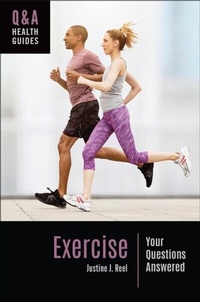
Exercise
Your Questions Answered
1st Edition
Published on 11. November 2022
168 pages
978-1-4408-6992-1 (ISBN)
Available for download
Description

This book answers readers' most pressing questions about exercise and physical activity and will serve as a valuable resource to anyone interested in starting and maintaining healthy habits in this important area of health.Whether it's going for a run or to a yoga class, playing basketball with friends, or spending an afternoon gardening, moving our bodies regularly is vital for both our physical and mental well-being. This book explores the different forms of exercise and physical activity, their benefits and risks, why so many people find it difficult to be physically active, and how to create and maintain a healthy, sustainable plan for physical activity.Books in the Q&A Health Guides series follow a reader-friendly question-and-answer format that anticipates readers' needs and concerns. Prevalent myths and misconceptions are identified and dispelled, and a collection of case studies illustrates key concepts and issues through relatable stories and insightful recommendations. Each book also includes a section on health literacy, equipping teens and young adults with practical tools and strategies for finding, evaluating, and using credible sources of health information both on and off the internet-important skills that contribute to a lifetime of healthy decision-making.
More details
Series
Language
English
Place of publication
New York
United States
Publishing group
Bloomsbury Publishing Plc
ISBN-13
978-1-4408-6992-1 (9781440869921)
Copyright in bibliographic data and cover images is held by Nielsen Book Services Limited or by the publishers or by their respective licensors: all rights reserved.
Schweitzer Classification
Other editions
Additional editions
Book
11/2022
Greenwood Press
€48.90
Shipment within 10-20 days
Content
- Cover
- Title Page
- Copyright
- Dedication
- Contents
- Series Foreword
- Acknowledgments
- Introduction
- Guide to Health Literacy
- Common Misconceptions about Exercise
- 1. Spot Reduction Training is an Effective Way to Get Rid of Unwanted Fat
- 2. "No Pain, No Gain" Embodies the Best Way to Approach Exercise
- If You are Not Sore After Exercise, You Did Not Work Out Hard Enough
- 3. You Should Hit the Gym Every Day
- 4. Lifting Weights will Make Women Bulky
- 5. You Should Always Stretch Before a Workout
- Questions and Answers
- Exercise Basics
- 1. What is the difference between exercise, sport, movement, and physical activity? What types of activities count as exercise?
- 2. How much exercise is recommended per week?
- 3. What's the difference between aerobic and anaerobic exercise?
- 4. Is it possible to lose weight in certain areas by using targeted exercises?
- 5. When should a person stretch? How can someone improve their flexibility?
- 6. Should a person measure or track their amount of exercise? What is the best way?
- 7. Are there other ways that exercise can be assessed?
- 8. How many people in the united states engage in regular exercise?
- 9. What role does age play in exercise and how much exercise is recommended?
- 10. What role does gender play in attitudes toward exercise and exercise habits and how much exercise is recommended?
- 11. How does someone's childhood and family exposure to physical activity affect their relationship with exercise?
- 12. Why do people play sports? What role does sport play in the development of exercise or physical activity as a lifelong habit?
- 13. What is physical education? If I have physical education at my school, is that enough exercise for me?
- 14. What careers exist that involve exercise?
- 15. How does the media portray sport and exercise?
- Physical Inactivity and Barriers to Exercise
- 16. What are the negative effects and health risks associated with physical inactivity?
- 17. Are certain groups of people more likely to develop sedentary habits than others?
- 18. Is lack of exercise only a problem in the Western industrialized world?
- 19. What are the physical barriers to exercise?
- 20. What are the economic barriers to exercise?
- 21. What are the psychological barriers to exercise?
- 22. What are the sociocultural barriers to exercise?
- How to Start Exercising
- 23. What are ways to measure one's current fitness level?
- 24. What motivates someone to start exercising? Why does someone continue to exercise as a lifestyle habit?
- 25. Is exercise expensive?
- 26. What is the role of an exercise buddy?
- 27. What can I do if I feel silly or self-conscious about my body when I exercise? What should I wear when I exercise?
- 28. What can I do if I find exercise boring?
- 29. What technologies are available to get me started and help me stay motivated?
- 30. How does a nonathlete prepare and train for running a marathon or some other endurance event?
- 31. How should I fuel my workout? How much water should I drink?
- 32. What is the best time of the day to exercise?
- 33. How can I formalize my commitment to exercise? What are some ways I can build physical activity into my day?
- Health Benefits and Risks of Exercise
- 34. What are the physical health benefits associated with exercise?
- 35. What are the effects on psychological health associated with exercise?
- 36. What are the effects on relationships and social health associated with exercise?
- 37. Why is exercise sometimes referred to as "medicine"?
- 38. How is exercise used for the treatment of depression, anxiety, and other mental health conditions?
- 39. Can you exercise safely during menstruation and pregnancy?
- 40. What does a positive and healthy relationship with exercise look like?
- 41. How does someone get injured from exercise? What is the best way to prevent injury during exercise?
- 42. What are burnout and overtraining? How can a person avoid experiencing these negative outcomes?
- 43. Is it possible to be addicted to exercise?
- Case Studies
- 1. Jasmine is Sidelined by Her Period
- 2. Richard Suffers an Overuse Injury
- 3. Yoga Therapy for Annie's Anxiety
- 4. Trevor is Battling Burnout
- 5. Nancy is New to Exercise
- Glossary
- Directory of Resources
- Index
- About the Author

