


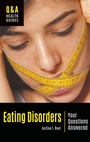
Eating Disorders
Your Questions Answered
1st Edition
Published on 7. September 2018
176 pages
978-1-4408-5305-0 (ISBN)
Available for download
Description

This book is an approachable introduction to eating disorders; one of the most common-and dangerous-forms of mental illness. The information, guidance, and resources offered make it a valuable tool for anyone struggling with issues surrounding food, weight, and body image.
In the United States today, an estimated 20 million women and 10 million men meet the diagnostic criteria for an eating disorder, and millions more have disordered eating habits and a dysfunctional relationship with food. Whether their disorder is diagnosed or not, individuals struggling with these issues face serious and potentially lifelong physical and emotional consequences as a result of their behaviors.
Eating Disorders: Your Questions Answered, a part of Greenwood's Q&A Health Guides series, provides clear, concise information for readers who want to learn more about these often misunderstood psychiatric illnesses. In addition to discussing the most common eating disorders, their consequences, and treatment, this book also explores how eating disorders develop and how they can be prevented.
Each book in this series follows a reader-friendly question-and-answer format that anticipates readers' needs and concerns. Prevalent myths and misconceptions are identified and dispelled, and a collection of case studies illustrates key concepts and issues through relatable stories and insightful recommendations. The book also includes a section on health literacy, equipping teens and young adults with practical tools and strategies for finding, evaluating, and using credible sources of health information both on and off the internet-important skills that contribute to a lifetime of healthy decision-making.
In the United States today, an estimated 20 million women and 10 million men meet the diagnostic criteria for an eating disorder, and millions more have disordered eating habits and a dysfunctional relationship with food. Whether their disorder is diagnosed or not, individuals struggling with these issues face serious and potentially lifelong physical and emotional consequences as a result of their behaviors.
Eating Disorders: Your Questions Answered, a part of Greenwood's Q&A Health Guides series, provides clear, concise information for readers who want to learn more about these often misunderstood psychiatric illnesses. In addition to discussing the most common eating disorders, their consequences, and treatment, this book also explores how eating disorders develop and how they can be prevented.
Each book in this series follows a reader-friendly question-and-answer format that anticipates readers' needs and concerns. Prevalent myths and misconceptions are identified and dispelled, and a collection of case studies illustrates key concepts and issues through relatable stories and insightful recommendations. The book also includes a section on health literacy, equipping teens and young adults with practical tools and strategies for finding, evaluating, and using credible sources of health information both on and off the internet-important skills that contribute to a lifetime of healthy decision-making.
More details
Series
Language
English
Place of publication
United States
Publishing group
Bloomsbury Publishing Plc
ISBN-13
978-1-4408-5305-0 (9781440853050)
Copyright in bibliographic data and cover images is held by Nielsen Book Services Limited or by the publishers or by their respective licensors: all rights reserved.
Schweitzer Classification
Other editions
Additional editions
Book
09/2018
Greenwood Press
€48.00
Shipment within 10-20 days
Content
Series Foreword
Acknowledgments
Introduction
Guide to Health Literacy
Common Misconceptions about Eating Disorders
Questions and Answers
Identification of Eating Disorders
1. What are the characteristics of an eating disorder?
2. What are the different types of eating disorders?
3. What is the difference between disordered eating and an eating disorder?
4. What are orthorexia nervosa and selective eating?
5. Is an eating disorder actually a food phobia, or is that something else entirely?
6. Is an eating disorder an addiction? Is there such a thing as being addicted to food?
7. How can eating disorders be detected?
8. Can boys and men get eating disorders? What is muscle dysmorphia?
9. How many people in the United States have eating disorders?
10. Are eating disorders a problem only in the Western, industrialized world?
11. Are certain people more likely than others to develop an eating disorder?
12. When were the first eating disorder cases documented?
13. What is "exercise bulimia" or "exercise addiction"? How many people suffer from this condition?
Contributing Factors for Eating Disorders
14. What causes eating disorders?
15. What do academics have to do with eating disorders?
16. What does age have to do with eating disorders?
17. What role does genetics play in the development of eating disorders?
18. What role does the media play in the development of eating disorders?
19. What role does dieting play in the development of eating disorders?
20. What role do sports play in the development of eating disorders?
21. What does religion have to do with eating disorders?
22. What does a person's relationship with exercise have to do with eating disorders?
23. How does one's childhood and family exposure to eating behaviors have an effect on the later development of an eating disorder?
Effects of Eating Disorders
24. What are the physical effects associated with an eating disorder?
25. What are the effects on mental/emotional health associated with an eating disorder?
26. What are the effects on relationships and social health associated with an eating disorder?
27. Can someone die from an eating disorder?
28. Are there other conditions that commonly occur with an eating disorder?
29. Are eating disorders ever mistaken for other types of medical problems?
Treatment of Eating Disorders
30. How are eating disorders treated?
31. What is the best way to refer someone who may have an eating disorder to treatment?
32. What nutritional approaches should be used for people with eating disorders?
33. How should a dysfunctional relationship with exercise be addressed in eating disorder treatment?
34. What can someone who is entering into eating disorder treatment expect?
35. What support groups are available to help people who have an eating disorder?
36. Are there alternative or complementary treatment methods available to address eating disorders?
37. Can an individual outgrow his or her eating disorder?
38. Is it possible to be fully recovered from an eating disorder?
Other Questions
39. Who are some famous people with eating disorders?
40. What are "pro-ana" and "pro-mia" websites, and how do they relate to eating disorders?
41. Can eating disorders be prevented?
42. How can I get involved in the cause to raise awareness about eating disorders?
Case Studies
Glossary
Directory of Resources
Index
Acknowledgments
Introduction
Guide to Health Literacy
Common Misconceptions about Eating Disorders
Questions and Answers
Identification of Eating Disorders
1. What are the characteristics of an eating disorder?
2. What are the different types of eating disorders?
3. What is the difference between disordered eating and an eating disorder?
4. What are orthorexia nervosa and selective eating?
5. Is an eating disorder actually a food phobia, or is that something else entirely?
6. Is an eating disorder an addiction? Is there such a thing as being addicted to food?
7. How can eating disorders be detected?
8. Can boys and men get eating disorders? What is muscle dysmorphia?
9. How many people in the United States have eating disorders?
10. Are eating disorders a problem only in the Western, industrialized world?
11. Are certain people more likely than others to develop an eating disorder?
12. When were the first eating disorder cases documented?
13. What is "exercise bulimia" or "exercise addiction"? How many people suffer from this condition?
Contributing Factors for Eating Disorders
14. What causes eating disorders?
15. What do academics have to do with eating disorders?
16. What does age have to do with eating disorders?
17. What role does genetics play in the development of eating disorders?
18. What role does the media play in the development of eating disorders?
19. What role does dieting play in the development of eating disorders?
20. What role do sports play in the development of eating disorders?
21. What does religion have to do with eating disorders?
22. What does a person's relationship with exercise have to do with eating disorders?
23. How does one's childhood and family exposure to eating behaviors have an effect on the later development of an eating disorder?
Effects of Eating Disorders
24. What are the physical effects associated with an eating disorder?
25. What are the effects on mental/emotional health associated with an eating disorder?
26. What are the effects on relationships and social health associated with an eating disorder?
27. Can someone die from an eating disorder?
28. Are there other conditions that commonly occur with an eating disorder?
29. Are eating disorders ever mistaken for other types of medical problems?
Treatment of Eating Disorders
30. How are eating disorders treated?
31. What is the best way to refer someone who may have an eating disorder to treatment?
32. What nutritional approaches should be used for people with eating disorders?
33. How should a dysfunctional relationship with exercise be addressed in eating disorder treatment?
34. What can someone who is entering into eating disorder treatment expect?
35. What support groups are available to help people who have an eating disorder?
36. Are there alternative or complementary treatment methods available to address eating disorders?
37. Can an individual outgrow his or her eating disorder?
38. Is it possible to be fully recovered from an eating disorder?
Other Questions
39. Who are some famous people with eating disorders?
40. What are "pro-ana" and "pro-mia" websites, and how do they relate to eating disorders?
41. Can eating disorders be prevented?
42. How can I get involved in the cause to raise awareness about eating disorders?
Case Studies
Glossary
Directory of Resources
Index

