


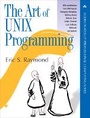
Art of UNIX Programming, The
1st Edition
Published on 23. September 2003
560 pages
978-0-13-246588-5 (ISBN)
Description

The Art of UNIX Programming poses the belief that understanding the unwritten UNIX engineering tradition and mastering its design patterns will help programmers of all stripes to become better programmers. This book attempts to capture the engineering wisdom and design philosophy of the UNIX, Linux, and Open Source software development community as it has evolved over the past three decades, and as it is applied today by the most experienced programmers. Eric Raymond offers the next generation of "hackers" the unique opportunity to learn the connection between UNIX philosophy and practice through careful case studies of the very best UNIX/Linux programs.
All prices
More details
Edition
1. Auflage
Language
English
Place of publication
Boston
United States
Publishing group
Pearson Education (US)
Target group
College/higher education
File size
3,77 MB
ISBN-13
978-0-13-246588-5 (9780132465885)
Copyright in bibliographic data and cover images is held by Nielsen Book Services Limited or by the publishers or by their respective licensors: all rights reserved.
Schweitzer Classification
Other editions
Additional editions
Eric Raymond
Art of UNIX Programming, The
Book
10/2003
Addison Wesley
€51.50
Shipment within 15-20 days
Person
ERIC S. RAYMOND has been a Unix developer since 1982. Known as the resident anthropologist and roving ambassador of the open-source community, he wrote the movement's manifesto in The Cathedral and the Bazaar and is the editor of The New Hacker's Dictionary.
Content
I. CONTEXT.
1. Philosophy.
Culture? What culture?
The durability of Unix.
The case against learning Unix culture.
What Unix gets wrong.
What Unix gets right.
Basics of the Unix philosophy.
The Unix philosophy in one lesson.
Applying the Unix philosophy.
Attitude matters too.
2. History.
Origins and history of Unix, 1969-1995.
Origins and history of the hackers, 1961-1995.
The open-source movement: 1998 and onward.
The lessons of Unix history.
3. Contrasts.
The elements of operating-system style.
Operating-system comparisons.
What goes around, comes around.
II. DESIGN.
4. Modularity.
Encapsulation and optimal module size.
Compactness and orthogonality.
Libraries.
Unix and object-oriented languages.
Coding for modularity.
5. Textuality.
The Importance of Being Textual.
Data file metaformats.
Application protocol design.
Application protocol metaformats.
6. Transparency.
Some case studies.
Designing for transparency and discoverability.
Designing for maintainability.
7. Multiprogramming.
Separating complexity control from performance tuning.
Taxonomy of Unix IPC methods.
Problems and methods to avoid.
Process partitioning at the design level.
8. Minilanguages.
Taxonomy of languages.
Applying minilanguages.
Designing minilanguages.
9. Transformation.
Data-driven programming.
Ad-hoc code generation.
10. Configuration.
What should be configurable?
Where configurations live.
Run-control files.
Environment variables.
Command-line options.
How to choose among configuration-setting methods.
On breaking these rules.
11. Interfaces.
Applying the Rule of Least Surprise.
History of interface design on Unix.
Evaluating interface designs.
Tradeoffs between CLI and visual interfaces.
Transparency, expressiveness, and configurability.
Unix interface design patterns.
Applying Unix interface-design patterns.
The Web browser as universal front end.
Silence is golden.
12. Optimization.
Don't just do something, stand there!
Measure before optimizing.
Non-locality considered harmful.
Throughput vs. latency.
13. Complexity.
Speaking of complexity.
A Tale of Five Editors.
The right size for an editor.
The right size of software.
III. IMPLEMENTATION.
14. Languages.
Unix's Cornucopia of Languages.
Why Not C?
Interpreted Languages and Mixed Strategies.
Language evaluations.
Trends for the Future.
Choosing an X toolkit.
15. Tools.
A developer-friendly operating system.
Choosing an editor.
Special-purpose code generators.
Make in non-C/C++ Development.
Version-control systems.
Run-time debugging.
Profiling.
Emacs as the universal front end.
16. Re-Use.
The tale of J. Random Newbie.
Transparency as the key to re-use.
From re-use to open source.
The best things in life are open.
Where should I look?
What are the issues in using open-source software?
Licensing issues.
IV. COMMUNITY.
17. Portability.
Evolution of C.
Unix standards.
Specifications as DNA, code as RNA.
Programming for Portability.
Internationalization.
Portability, open standards and open source.
18. Documentation.
Documentation concepts.
The Unix style.
The zoo of Unix documentation formats.
The present chaos and a possible way out.
The DocBook toolchain.
How to write Unix documentation.
19. Open Source.
Unix and open source.
Best practices for working with open-source developers.
The logic of licenses: how to pick one.
Why you should use a standard license.
Varieties of Open-Source Licensing.
20. Futures.
Essence and accident in Unix tradition.
Problems in the design of Unix.
Problems in the environment of Unix.
Problems in the culture of Unix.
Reasons to believe.
A. Glossary of Abbreviations. B. References. C. Contributors.
1. Philosophy.
Culture? What culture?
The durability of Unix.
The case against learning Unix culture.
What Unix gets wrong.
What Unix gets right.
Basics of the Unix philosophy.
The Unix philosophy in one lesson.
Applying the Unix philosophy.
Attitude matters too.
2. History.
Origins and history of Unix, 1969-1995.
Origins and history of the hackers, 1961-1995.
The open-source movement: 1998 and onward.
The lessons of Unix history.
3. Contrasts.
The elements of operating-system style.
Operating-system comparisons.
What goes around, comes around.
II. DESIGN.
4. Modularity.
Encapsulation and optimal module size.
Compactness and orthogonality.
Libraries.
Unix and object-oriented languages.
Coding for modularity.
5. Textuality.
The Importance of Being Textual.
Data file metaformats.
Application protocol design.
Application protocol metaformats.
6. Transparency.
Some case studies.
Designing for transparency and discoverability.
Designing for maintainability.
7. Multiprogramming.
Separating complexity control from performance tuning.
Taxonomy of Unix IPC methods.
Problems and methods to avoid.
Process partitioning at the design level.
8. Minilanguages.
Taxonomy of languages.
Applying minilanguages.
Designing minilanguages.
9. Transformation.
Data-driven programming.
Ad-hoc code generation.
10. Configuration.
What should be configurable?
Where configurations live.
Run-control files.
Environment variables.
Command-line options.
How to choose among configuration-setting methods.
On breaking these rules.
11. Interfaces.
Applying the Rule of Least Surprise.
History of interface design on Unix.
Evaluating interface designs.
Tradeoffs between CLI and visual interfaces.
Transparency, expressiveness, and configurability.
Unix interface design patterns.
Applying Unix interface-design patterns.
The Web browser as universal front end.
Silence is golden.
12. Optimization.
Don't just do something, stand there!
Measure before optimizing.
Non-locality considered harmful.
Throughput vs. latency.
13. Complexity.
Speaking of complexity.
A Tale of Five Editors.
The right size for an editor.
The right size of software.
III. IMPLEMENTATION.
14. Languages.
Unix's Cornucopia of Languages.
Why Not C?
Interpreted Languages and Mixed Strategies.
Language evaluations.
Trends for the Future.
Choosing an X toolkit.
15. Tools.
A developer-friendly operating system.
Choosing an editor.
Special-purpose code generators.
Make in non-C/C++ Development.
Version-control systems.
Run-time debugging.
Profiling.
Emacs as the universal front end.
16. Re-Use.
The tale of J. Random Newbie.
Transparency as the key to re-use.
From re-use to open source.
The best things in life are open.
Where should I look?
What are the issues in using open-source software?
Licensing issues.
IV. COMMUNITY.
17. Portability.
Evolution of C.
Unix standards.
Specifications as DNA, code as RNA.
Programming for Portability.
Internationalization.
Portability, open standards and open source.
18. Documentation.
Documentation concepts.
The Unix style.
The zoo of Unix documentation formats.
The present chaos and a possible way out.
The DocBook toolchain.
How to write Unix documentation.
19. Open Source.
Unix and open source.
Best practices for working with open-source developers.
The logic of licenses: how to pick one.
Why you should use a standard license.
Varieties of Open-Source Licensing.
20. Futures.
Essence and accident in Unix tradition.
Problems in the design of Unix.
Problems in the environment of Unix.
Problems in the culture of Unix.
Reasons to believe.
A. Glossary of Abbreviations. B. References. C. Contributors.
