


The End of Epidemics
Description

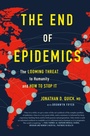
"Jonathan Quick offers a compelling and intensely readable plan to prevent worldwide infectious outbreaks. The End of Epidemics is essential reading for those who might be affected by a future pandemic-that is, just about everyone."-Sandeep Jauhar, bestselling author of Heart: A History The 2020 outbreak of coronavirus has terrified the world--and revealed how unprepared we are for the next outbreak of an infectious disease. Somewhere in nature, a killer virus is boiling up in the bloodstream of a bird, bat, monkey, or pig, preparing to jump to a human being. This not-yet-detected germ has the potential to wipe out millions of lives over a matter of weeks or months. That risk makes the threat posed by ISIS, a ground war, a massive climate event, or even the dropping of a nuclear bomb on a major city pale in comparison. In The End of Epidemics, Duke Global Health Institute faculty member and past Chair of the Global Health Council Dr. Jonathan D. Quick examines the eradication of smallpox and devastating effects of influenza, AIDS, SARS, Ebola, and other viral diseases . Analyzing local and global efforts to contain these diseases and citing firsthand accounts of failure and success, Dr. Quick proposes a new set of actions which he has coined "The Power of Seven," to end epidemics before they can begin. These actions include: - Spending prudently to prevent disease before an epidemic strikes, rather than spending too little, too late - Ensuring prompt, open, and accurate communication between nations and aid agencies, instead of secrecy and territorial disputes - Fighting disease and preventing panic with innovation and good science Practical and urgent, The End of Epidemics is crucial reading for citizens, health professionals, and policy makers alike. "Dr. Quick's urgent message makes one hope that this book will reach a huge audience and that its exhortations will be acted on everywhere."- The Wall Street Journal
More details
Other editions
Additional editions
Persons
DR. JONATHAN D. QUICK is Senior Fellow and former president and CEO at Management Sciences for Health in Boston. He is an instructor of medicine at the Department of Global Health and Social Medicine at Harvard Medical School and Chair of the Global Health Council. He has worked in more than seventy countries. He lives in Massachusetts. BRONWYN FRYER is a collaborative writer and a former senior editor for the Harvard Business Review. She lives in Montpelier, Vermont.
Content
PART I: THE PANDEMIC THREAT
Prologue: A Fear I'd Never Felt Before
1. Stop Epidemics with The Power of Seven
2. The Bush: Lessons from Ebola, AIDS, and Zika
3. The Barn
4. The Triple Threat: Bioterror, Bio-Error, and Dr. Frankenstein
5. The Costs of Complacency
PART II: STOPPING THE PANDEMICS BEFORE THEY START
6. Lead Like the House Is on Fire
7. Resilient Systems, Global Security
8. Active Prevention, Constant Readiness
9. Fatal Fictions, Timely Truths
10. Disruptive Innovation, Collaborative Transformation
11. Invest Wisely, Save Lives
12. Ring the Alarm, Rouse the Leaders
Epilogue: Headlines from the Future
