


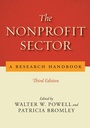
The Nonprofit Sector
A Research Handbook, Third Edition
Published on 14. April 2020
888 pages
978-1-5036-1108-5 (ISBN)
Description

The nonprofit sector has changed in fundamental ways in recent decades. As the sector has grown in scope and size, both domestically and internationally, the boundaries between for-profit, governmental, and charitable organizations have become intertwined. Nonprofits are increasingly challenged on their roles in mitigating or exacerbating inequality. And debates flare over the role of voluntary organizations in democratic and autocratic societies alike. The Nonprofit Sector takes up these concerns and offers a cutting-edge empirical and theoretical assessment of the state of the field.
This book, now in its third edition, brings together leading researchers-economists, historians, philosophers, political scientists, and sociologists along with scholars from communication, education, law, management, and policy schools-to investigate the impact of associational life. Chapters consider the history of the nonprofit sector and of philanthropy; the politics of the public sphere; governance, mission, and engagement; access and inclusion; and global perspectives on nonprofit organizations. Across this comprehensive range of topics, The Nonprofit Sector makes an essential contribution to the study of civil society.
This book, now in its third edition, brings together leading researchers-economists, historians, philosophers, political scientists, and sociologists along with scholars from communication, education, law, management, and policy schools-to investigate the impact of associational life. Chapters consider the history of the nonprofit sector and of philanthropy; the politics of the public sphere; governance, mission, and engagement; access and inclusion; and global perspectives on nonprofit organizations. Across this comprehensive range of topics, The Nonprofit Sector makes an essential contribution to the study of civil society.
Reviews / Votes
"The nonprofit form has spread around the world as a unique alternative to markets and governments. This third edition of The Nonprofit Sector provides great insight into this phenomenon, and is as exciting and informative as the previous two. With fresh faces and insights, it is a real joy to read."-Joseph Galaskiewicz, University of Arizona "Now in its third edition, The Nonprofit Sector continues to build the field of nonprofit studies by exploring the full range of organizations, associations, actions, and interactions that constitute the voluntary sector in the US and globally. Featuring a broad and multidisciplinary range of scholars, this work provokes us to reexamine the history and envision the future of nonprofit scholarship and practice. The Nonprofit Sector generates a rich research agenda that will stimulate novel and innovative scholarship for years to come."-Mary Kay Gugerty, University of Washington "Walter Powell, Patricia Bromley, and Stanford University Press are to be congratulated for assembling this timely, unique, and definitive volume which not only chronicles the history of the nonprofit sector but also provides a broad but critical analysis of its current state. This third edition of The Nonprofit Sector presents a wide range of carefully chosen scholarship which will ensure that this book remains an invaluable resource to the growing number of scholars and practitioners in the sector around the world. It is an essential handbook for the leadership of nonprofit and philanthropic institutions, their governing boards, as well as public officials and journalists."-Vartan Gregorian, President, Carnegie Corporation of New YorkAll prices
More details
Edition
New edition
Language
English
Place of publication
Palo Alto
United States
Target group
Professional and scholarly
Edition type
New edition
Illustrations
49 figures, 27 tables
ISBN-13
978-1-5036-1108-5 (9781503611085)
Copyright in bibliographic data and cover images is held by Nielsen Book Services Limited or by the publishers or by their respective licensors: all rights reserved.
Schweitzer Classification
Other editions
Additional editions
Book
04/2020
Stanford University Press
€51.50
Shipment within 15-20 days
Persons
Walter W. Powell is Professor of Education and Co-Director of the Center on Philanthropy and Civil Society at Stanford University. Patricia Bromley is Associate Professor of Education at Stanford University.
Content
1. What Is the Nonprofit Sector?
-Walter W. Powell
2. A History of Associational Life and the Nonprofit Sector in the United States
-Benjamin Soskis
3. Seeing Like a Philanthropist: From the Business of Benevolence to the Benevolence of Business
-Aaron Horvath and Walter W. Powell
4. The Organizational Transformation of Civil Society
-Patricia Bromley
5. Tangled Up in Tax: The Nonprofit Sector and the Federal Tax System
-Daniel J. Hemel
6. Political Theory and the Nonprofit Sector
-Ted Lechterman and Rob Reich
7. Nonprofits as Boundary Markers: The Politics of Choice, Mobilization, and Arbitrage
-Elisabeth S. Clemens
8. Politics, Philanthropy, and Inequality
-Sarah Reckhow
9. Toward a Governance Framework for Government-Nonprofit Relations
-Nicole P. Marwell and Maoz Brown
10. Social Service Nonprofits: Navigating Conflicting Demands
-Jennifer E. Mosley
11. Nonprofits as Urban Infrastructure
-Christof Brandtner and Claire Dunning
12. Immigrant Organizations: Civic (In)equality and Civic (In)visibility
-Irene Bloemraad, Shannon Gleeson, and Els de Graauw
13. Economic Theories of the Social Sector: From Nonprofits to Social Enterprise
-Maitreesh Ghatak
14. Social Entrepreneurship: Research as Disciplined Exploration
-Johanna Mair
15. Nonprofits and the Environment: Using Market Forces for Social Good
-Magali A. Delmas, Thomas P. Lyon, and Sean Jackson
16. The Outcomes Movement in Philanthropy and the Nonprofit Sector
-Paul Brest
17. Charitable Nonprofits and the Business of Health Care
-Jill R. Horwitz
18. Education and the Nonprofit Sector: Schools and Organizational Intermediaries
-Richard Arum and Jacob L. Kepins
19. Nonprofit Arts Organizations: Sustainability and Rationales for Support
-Francie Ostrower
20. Advocacy, Civic Engagement, and Social Change
-David Suarez
21. The Changing Face of Nonprofit Advocacy: Democratizing Potentials and Risks in an Unequal Context
-Edward T. Walker and Yotala Oszkay Febres-Cordero
22. Advocating for What? The Nonprofit Press and Models of the Public
-Mike Ananny
23. What Influences Charitable Giving?
-Pamela Paxton
24. The Altruism Budget: Measuring and Encouraging Charitable Giving
-Laura K. Gee and Jonathan Meer
25. What Do Volunteers Do?
-Nina Eliasoph
26. Religious Organizations: Crosscutting the Nonprofit Sector
-Brad R. Fulton
27. The Global Rise of Nongovernmental Organizations
-Evan Schofer and Wesley Longhofer
28. Global Backlash Against Foreign Funding to Domestic Nongovernmental Organizations
-Kendra Dupuy and Aseem Prakash
29. Social Movements in a Global Context: History, Content, and Form
-Breno Bringel and Elizabeth McKenna
30. Comparative Nonprofit Sector Research: A Critical Assessment
-Helmut K. Anheier, Markus Lang, and Stefan Toepler
-Walter W. Powell
2. A History of Associational Life and the Nonprofit Sector in the United States
-Benjamin Soskis
3. Seeing Like a Philanthropist: From the Business of Benevolence to the Benevolence of Business
-Aaron Horvath and Walter W. Powell
4. The Organizational Transformation of Civil Society
-Patricia Bromley
5. Tangled Up in Tax: The Nonprofit Sector and the Federal Tax System
-Daniel J. Hemel
6. Political Theory and the Nonprofit Sector
-Ted Lechterman and Rob Reich
7. Nonprofits as Boundary Markers: The Politics of Choice, Mobilization, and Arbitrage
-Elisabeth S. Clemens
8. Politics, Philanthropy, and Inequality
-Sarah Reckhow
9. Toward a Governance Framework for Government-Nonprofit Relations
-Nicole P. Marwell and Maoz Brown
10. Social Service Nonprofits: Navigating Conflicting Demands
-Jennifer E. Mosley
11. Nonprofits as Urban Infrastructure
-Christof Brandtner and Claire Dunning
12. Immigrant Organizations: Civic (In)equality and Civic (In)visibility
-Irene Bloemraad, Shannon Gleeson, and Els de Graauw
13. Economic Theories of the Social Sector: From Nonprofits to Social Enterprise
-Maitreesh Ghatak
14. Social Entrepreneurship: Research as Disciplined Exploration
-Johanna Mair
15. Nonprofits and the Environment: Using Market Forces for Social Good
-Magali A. Delmas, Thomas P. Lyon, and Sean Jackson
16. The Outcomes Movement in Philanthropy and the Nonprofit Sector
-Paul Brest
17. Charitable Nonprofits and the Business of Health Care
-Jill R. Horwitz
18. Education and the Nonprofit Sector: Schools and Organizational Intermediaries
-Richard Arum and Jacob L. Kepins
19. Nonprofit Arts Organizations: Sustainability and Rationales for Support
-Francie Ostrower
20. Advocacy, Civic Engagement, and Social Change
-David Suarez
21. The Changing Face of Nonprofit Advocacy: Democratizing Potentials and Risks in an Unequal Context
-Edward T. Walker and Yotala Oszkay Febres-Cordero
22. Advocating for What? The Nonprofit Press and Models of the Public
-Mike Ananny
23. What Influences Charitable Giving?
-Pamela Paxton
24. The Altruism Budget: Measuring and Encouraging Charitable Giving
-Laura K. Gee and Jonathan Meer
25. What Do Volunteers Do?
-Nina Eliasoph
26. Religious Organizations: Crosscutting the Nonprofit Sector
-Brad R. Fulton
27. The Global Rise of Nongovernmental Organizations
-Evan Schofer and Wesley Longhofer
28. Global Backlash Against Foreign Funding to Domestic Nongovernmental Organizations
-Kendra Dupuy and Aseem Prakash
29. Social Movements in a Global Context: History, Content, and Form
-Breno Bringel and Elizabeth McKenna
30. Comparative Nonprofit Sector Research: A Critical Assessment
-Helmut K. Anheier, Markus Lang, and Stefan Toepler

