


Judicial Protection of Fundamental Rights on the Internet
A Road Towards Digital Constitutionalism?
1st Edition
Published on 22. April 2021
320 pages
978-1-5099-1271-1 (ISBN)
Description

This book explores how the Internet impacts on the protection of fundamental rights, particularly with regard to freedom of speech and privacy. In doing so, it seeks to bridge the gap between Internet Law and European and Constitutional Law.
The book aims to emancipate the debate on internet law and jurisprudence from the dominant position, with specific reference to European legal regimes. This approach aims to inject a European and constitutional "soul" into the topic. Moreover, the book addresses the relationship between new technologies and the protection of fundamental rights within the theoretical debate surrounding the process of European integration, with particular emphasis on judicial dialogue.
This innovative book provides a thorough analysis of the forms, models and styles of judicial protection of fundamental rights in the digital era and compares the European vision to that of the United States. The book offers the first comparative analysis in which the notion of (judicial) frame, borrowed from linguistic and cognitive studies, is systematically applied to the theories of interpretation and argumentation.
With a Foreword by Robert Spano, President of the European Court of Human Rights.
The book aims to emancipate the debate on internet law and jurisprudence from the dominant position, with specific reference to European legal regimes. This approach aims to inject a European and constitutional "soul" into the topic. Moreover, the book addresses the relationship between new technologies and the protection of fundamental rights within the theoretical debate surrounding the process of European integration, with particular emphasis on judicial dialogue.
This innovative book provides a thorough analysis of the forms, models and styles of judicial protection of fundamental rights in the digital era and compares the European vision to that of the United States. The book offers the first comparative analysis in which the notion of (judicial) frame, borrowed from linguistic and cognitive studies, is systematically applied to the theories of interpretation and argumentation.
With a Foreword by Robert Spano, President of the European Court of Human Rights.
More details
Edition
1. Auflage
Language
English
Place of publication
London
United Kingdom
Publishing group
Bloomsbury Publishing PLC
Target group
Professional and scholarly
ISBN-13
978-1-5099-1271-1 (9781509912711)
Copyright in bibliographic data and cover images is held by Nielsen Book Services Limited or by the publishers or by their respective licensors: all rights reserved.
Schweitzer Classification
Other editions
Additional editions
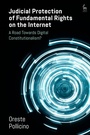
Oreste Pollicino
Judicial Protection of Fundamental Rights on the Internet
A Road Towards Digital Constitutionalism?
Book
11/2022
Hart Publishing
€74.46
Shipment within 15-20 days
Person
Oreste Pollicino is Professor of Constitutional Law at Bocconi University and Member of the Executive Board, EU Agency for Fundamental Rights, Vienna.
Content
1. Technology and Judges Across the Atlantic
I. The Amplification of Judicial Momentum
II. Metaphors, Judicial Frames and Cyberspace
III. Jurisdictions, Territory and Cyberspace
IV. Freedom of Expression, Privacy and Data Protection Across the Atlantic
V. Conclusions
2. Judges and Freedom of Expression: From Atoms to Bits Across the Atlantic
I. Freedom of Expression in Action
II. The US Judicial Landscape of Freedom of Expression
III. The European Judicial Landscape of Freedom of Expression
A. The Jurisprudence of the Strasbourg Court
B. The Jurisprudence of the CJEU
IV. Concluding Remarks: Transatlantic Frames Compared and the Need for Care when Handling Metaphors
3. Judges, Privacy and Data Protection: From Atoms to Bits Across the Atlantic
I. Privacy and Data Protection in Action
II. Stagnation in the US and the European Metamorphosis
III. The EU Judicial Enforcement of Digital Privacy: A New Frame?
A. Digital Rights Ireland
B. Google Spain
C. Schrems
IV. The European Personal Data Fortress
V. Conclusions
4. The Judicial Bridges of Privacy and Speech in the Information Society
I. Judicial Momentum at the Intersection
II. The Drawbridge of the European Fortress
III. Judicial Protection of Speech and Data on a Global Scale
IV. The Stagnation in the US
V. Digital Sovereignty Across the Atlantic and Beyond
VI. Conclusions
5. The Courts and Private Powers in the World of Bits: Towards Digital Constitutionalism?
I. The Rise and Amplification of Judicial Activism
II. The Courts and Private Power in the Digital Era
A. Algorithms and Freedom of Expression
B. Algorithms and Data Protection
III. Digital Constitutionalism in Action: Which Remedies can be Invoked against the Emergence of Digital Private Powers?
IV. Conclusions
I. The Amplification of Judicial Momentum
II. Metaphors, Judicial Frames and Cyberspace
III. Jurisdictions, Territory and Cyberspace
IV. Freedom of Expression, Privacy and Data Protection Across the Atlantic
V. Conclusions
2. Judges and Freedom of Expression: From Atoms to Bits Across the Atlantic
I. Freedom of Expression in Action
II. The US Judicial Landscape of Freedom of Expression
III. The European Judicial Landscape of Freedom of Expression
A. The Jurisprudence of the Strasbourg Court
B. The Jurisprudence of the CJEU
IV. Concluding Remarks: Transatlantic Frames Compared and the Need for Care when Handling Metaphors
3. Judges, Privacy and Data Protection: From Atoms to Bits Across the Atlantic
I. Privacy and Data Protection in Action
II. Stagnation in the US and the European Metamorphosis
III. The EU Judicial Enforcement of Digital Privacy: A New Frame?
A. Digital Rights Ireland
B. Google Spain
C. Schrems
IV. The European Personal Data Fortress
V. Conclusions
4. The Judicial Bridges of Privacy and Speech in the Information Society
I. Judicial Momentum at the Intersection
II. The Drawbridge of the European Fortress
III. Judicial Protection of Speech and Data on a Global Scale
IV. The Stagnation in the US
V. Digital Sovereignty Across the Atlantic and Beyond
VI. Conclusions
5. The Courts and Private Powers in the World of Bits: Towards Digital Constitutionalism?
I. The Rise and Amplification of Judicial Activism
II. The Courts and Private Power in the Digital Era
A. Algorithms and Freedom of Expression
B. Algorithms and Data Protection
III. Digital Constitutionalism in Action: Which Remedies can be Invoked against the Emergence of Digital Private Powers?
IV. Conclusions
