


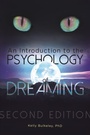
An Introduction to the Psychology of Dreaming
2nd Edition
Published on 22. June 2017
176 pages
978-1-4408-5707-2 (ISBN)
Description

Introducing students at all levels to the key concepts of modern dream psychology, this concise book provides an overview of major theories regarding the formation, function, and interpretation of dreams.
Why do people dream, and what do dreams mean? What do the most recent neuroscientific research and studies of patterns in dream content reveal about the functionality of dreams? How do the ideas of earlier generations of dream psychologists continue to influence the research of psychologists today? An Introduction to the Psychology of Dreaming covers all major theories in dream psychology from 1900 to the present day. It provides readers with a unique resource that focuses specifically on this lineage of research in dream psychology and is concise and accessibly written.
Each chapter of the book analyzes a particular theory of dream psychology in terms of three basic questions: How are dreams formed? What functions do dreams serve? How can dreams be interpreted? By examining each theorist's answers to these questions, readers can clearly see how dream psychology theorists have both incorporated concepts from previous researchers and developed new ideas of their own. A breadth of psychological approaches are considered, from Freud and Jung to contemporary brain studies, giving readers an appreciation of the wide range of theories regarding this fascinating area of study.
Why do people dream, and what do dreams mean? What do the most recent neuroscientific research and studies of patterns in dream content reveal about the functionality of dreams? How do the ideas of earlier generations of dream psychologists continue to influence the research of psychologists today? An Introduction to the Psychology of Dreaming covers all major theories in dream psychology from 1900 to the present day. It provides readers with a unique resource that focuses specifically on this lineage of research in dream psychology and is concise and accessibly written.
Each chapter of the book analyzes a particular theory of dream psychology in terms of three basic questions: How are dreams formed? What functions do dreams serve? How can dreams be interpreted? By examining each theorist's answers to these questions, readers can clearly see how dream psychology theorists have both incorporated concepts from previous researchers and developed new ideas of their own. A breadth of psychological approaches are considered, from Freud and Jung to contemporary brain studies, giving readers an appreciation of the wide range of theories regarding this fascinating area of study.
More details
Edition
2nd edition
Language
English
Place of publication
New York
United States
Publishing group
Bloomsbury Publishing Plc
ISBN-13
978-1-4408-5707-2 (9781440857072)
Copyright in bibliographic data and cover images is held by Nielsen Book Services Limited or by the publishers or by their respective licensors: all rights reserved.
Schweitzer Classification
Other editions
Additional editions
Kelly Bulkeley Ph.D.
An Introduction to the Psychology of Dreaming
Book
06/2017
2nd Edition
Praeger Publishers Inc
€58.20
Shipment within 10-20 days
Person
Kelly Bulkeley, PhD, is director of the Sleep and Dream Database. He is also senior editor of the journal Dreaming and a former president of the International Association for the Study of Dreams.
