

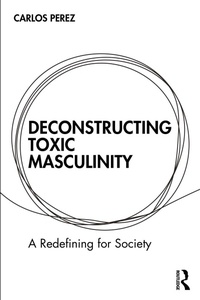
Deconstructing Toxic Masculinity
A Redefining for Society
1st Edition
Published on 30. June 2025
232 pages
978-1-040-38622-4 (ISBN)
Description

This accessible book explores toxic masculinity, looking at how to define it, and how we can and should challenge its spread.
This book draws on Derrida's deconstruction, using the philosophical lens to deconstruct what toxic masculinity means and to better understand its significance for our society. It focuses on how harmful aspects of masculinity spread, infiltrate, and intoxicate our societies and how existing structures allow aspects of harmful masculinity to become toxic. This book also features discussions and analysis of participants' lived experiences of masculinities, alongside the author's reflections. It explores the relevance of toxic masculinity in work environments, politics, relationships, and gender roles and seeks to challenge and mitigate its damages for everyone.
Encouraging critical thinking and understanding of healthier ways of being for all, this timely book will be of interest to therapists, counselors, teachers, and practitioners of family studies. It will also be useful reading for students in the fields of psychology, gender studies, sociology, and related fields.
This book draws on Derrida's deconstruction, using the philosophical lens to deconstruct what toxic masculinity means and to better understand its significance for our society. It focuses on how harmful aspects of masculinity spread, infiltrate, and intoxicate our societies and how existing structures allow aspects of harmful masculinity to become toxic. This book also features discussions and analysis of participants' lived experiences of masculinities, alongside the author's reflections. It explores the relevance of toxic masculinity in work environments, politics, relationships, and gender roles and seeks to challenge and mitigate its damages for everyone.
Encouraging critical thinking and understanding of healthier ways of being for all, this timely book will be of interest to therapists, counselors, teachers, and practitioners of family studies. It will also be useful reading for students in the fields of psychology, gender studies, sociology, and related fields.
More details
Edition
1. Auflage
Language
English
Place of publication
London
United Kingdom
Publishing group
Taylor & Francis Ltd
Target group
College/higher education
Professional and scholarly
Illustrations
5 Line drawings, black and white; 5 Illustrations, black and white
File size
3,93 MB
ISBN-13
978-1-040-38622-4 (9781040386224)
Copyright in bibliographic data and cover images is held by Nielsen Book Services Limited or by the publishers or by their respective licensors: all rights reserved.
Schweitzer Classification
Other editions
Additional editions

Book
06/2025
1st Edition
Routledge
€206.30
Shipment within 10-20 days
Book
06/2025
1st Edition
Routledge
€54.90
Shipment within 10-20 days
Person
Carlos Perez is an Associate Professor and departmental chair of a Behavioral Sciences department at a liberal arts university. He is also a Licensed Marriage and Family Therapist and a Licensed Professional Counselor.
Content
Table of Contents
Preface
Chapter 1: Why Deconstruction? Why Toxic Masculinity
Origins
Definitions in Secular Literature
Academic Literature
Hegemonic Masculinity
Critiques of Hegemonic Masculinity
Toxic Masculinity
A Closer Look
Masculinity
Systems at Play
Chapter 2: Constructions of Toxic Masculinity
The Power of Gender
Double Bind
Patriarchy
Negative Feedback Loop
Freudian Slip
The Male Physique
The Male Figure in Religion
Family
Critical Race Theory
Epistemic Bubble
Online Epistemic Bubble
Toxic Tribalism
Socially Constructed
Constructed Hegemony
Masculine
Implicit Bias
Belief and Trust
Privilege
Chapter 3: Deconstructing Toxic Masculinity
Masculine and Gender
Structuralism/Poststructuralism and Gender
Binary Oppositions
Positions of Power
Gender
Masculine
Toxic
Toxic Masculine
Healthy Masculinity
Positive Masculinity
Toxic/Infect
Overturning
Philosophical Overturning
Recognize
Acknowledge
Repentance
Displacement
How to Displace
Chapter 4: How Masculinity Becomes Toxic
Qualitative Deconstruction
Definitions of Masculinity
Physical Characteristics
Behaviors
Biology
Socially Constructed Masculine
The Good
Binary Oppositions
Qualities and Traits
Confidence
Acceptance
Maturity/Growth
Positive Masculinity
Balanced and Wholesome
Self-Awareness
Gender Constructs
Different Masculine Constructs
Inclusiveness of Femininity
How Can Masculinity be Toxic?
Society Expectations
Patriarchy
Performance
Interpretation
Pressure
Emotions
Misuse/Application
Dominance
Bullying
Aggression
Competition
Physical Violence
Chapter 5: New Concept
Postmodernism and Postmodern Masculinities
New Concept
Concepts
Masculine New Term
Toxic Masculine New Concept
Masculine with Choice
Toxicity of Masculinity
Cyborg Masculinity
Both and None
Post-gender and Queer Theory
Chapter 6: Masculinity with Choice
Postmodern Masculine
DEI Model of Masculinity
Safety
Fear
Shame
Gender Role Strain
Inclusive masculine
Tension of Paradox
Not Knowing
Empathy
The Cyborg
Chapter 7: An Exercise in Deconstruction
Holding Paradoxes
Relationships Deconstructed
Binary Oppositions
Overturning
Acknowledge
Empathy
Displace
Society's Binary
Chapter 8: Now What?
Deconstruction in Action
Defining Toxic Masculine
Origins
Overturning the Relationships
Acknowledge
Empathy
Repentance
A Deconstructed Self
A Relationship Displaced
A Remixed Relationship
Concluding thoughts
Appendix 1: Conversation with Chat GPT
Appendix 2: How would Chat GPT Keep Toxic Masculinity Alive
Appendix 3: What is Masculinity
Appendix 4: Misunderstood Masculinity
Appendix 5: How Can Masculinity be Toxic?
Appendix 6: Generational Masculine
Appendix 7: Additional information
Appendix 8: Dealt with Toxic Masculinity
Preface
Chapter 1: Why Deconstruction? Why Toxic Masculinity
Origins
Definitions in Secular Literature
Academic Literature
Hegemonic Masculinity
Critiques of Hegemonic Masculinity
Toxic Masculinity
A Closer Look
Masculinity
Systems at Play
Chapter 2: Constructions of Toxic Masculinity
The Power of Gender
Double Bind
Patriarchy
Negative Feedback Loop
Freudian Slip
The Male Physique
The Male Figure in Religion
Family
Critical Race Theory
Epistemic Bubble
Online Epistemic Bubble
Toxic Tribalism
Socially Constructed
Constructed Hegemony
Masculine
Implicit Bias
Belief and Trust
Privilege
Chapter 3: Deconstructing Toxic Masculinity
Masculine and Gender
Structuralism/Poststructuralism and Gender
Binary Oppositions
Positions of Power
Gender
Masculine
Toxic
Toxic Masculine
Healthy Masculinity
Positive Masculinity
Toxic/Infect
Overturning
Philosophical Overturning
Recognize
Acknowledge
Repentance
Displacement
How to Displace
Chapter 4: How Masculinity Becomes Toxic
Qualitative Deconstruction
Definitions of Masculinity
Physical Characteristics
Behaviors
Biology
Socially Constructed Masculine
The Good
Binary Oppositions
Qualities and Traits
Confidence
Acceptance
Maturity/Growth
Positive Masculinity
Balanced and Wholesome
Self-Awareness
Gender Constructs
Different Masculine Constructs
Inclusiveness of Femininity
How Can Masculinity be Toxic?
Society Expectations
Patriarchy
Performance
Interpretation
Pressure
Emotions
Misuse/Application
Dominance
Bullying
Aggression
Competition
Physical Violence
Chapter 5: New Concept
Postmodernism and Postmodern Masculinities
New Concept
Concepts
Masculine New Term
Toxic Masculine New Concept
Masculine with Choice
Toxicity of Masculinity
Cyborg Masculinity
Both and None
Post-gender and Queer Theory
Chapter 6: Masculinity with Choice
Postmodern Masculine
DEI Model of Masculinity
Safety
Fear
Shame
Gender Role Strain
Inclusive masculine
Tension of Paradox
Not Knowing
Empathy
The Cyborg
Chapter 7: An Exercise in Deconstruction
Holding Paradoxes
Relationships Deconstructed
Binary Oppositions
Overturning
Acknowledge
Empathy
Displace
Society's Binary
Chapter 8: Now What?
Deconstruction in Action
Defining Toxic Masculine
Origins
Overturning the Relationships
Acknowledge
Empathy
Repentance
A Deconstructed Self
A Relationship Displaced
A Remixed Relationship
Concluding thoughts
Appendix 1: Conversation with Chat GPT
Appendix 2: How would Chat GPT Keep Toxic Masculinity Alive
Appendix 3: What is Masculinity
Appendix 4: Misunderstood Masculinity
Appendix 5: How Can Masculinity be Toxic?
Appendix 6: Generational Masculine
Appendix 7: Additional information
Appendix 8: Dealt with Toxic Masculinity
