

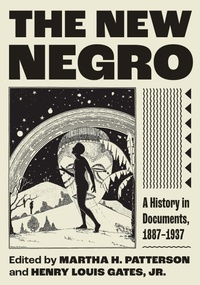
The New Negro
A History in Documents, 1887-1937
1st Edition
Published on 19. August 2025
648 pages
978-0-691-26860-6 (ISBN)
Description

An authoritative anthology tracing the history of one of the most important concepts Black people drew on to challenge the brutal, totalizing system of Jim Crow racism
This book brings together a wealth of readings on the metaphor of the "New Negro," charting how generations of thinkers debated its meaning and seized on its potency to stake out an astonishingly broad and sometimes contradictory range of ideological positions. It features dozens of newly unearthed pieces by major figures such as W. E. B. Du Bois, Charles S. Johnson, and Drusilla Dunjee Houston as well as writings from Cuba, the US Virgin Islands, Dominica, France, Sierra Leone, South Africa, colonial Zimbabwe, and the United States. Demonstrating how this evocative and supremely protean concept predates its popularization in Alain Locke's 1925 anthology of the same name, The New Negro takes readers from its beginnings as a response to Henry Grady's famous "New South" address in 1886 through the Harlem Renaissance and the New Deal.
Opening a fascinating window into a largely unexplored chapter in African American, Afro-Latin American, and African intellectual history, this groundbreaking anthology includes writings by Gwendolyn Bennett, Marita Bonner, John Edward Bruce ("Bruce Grit"), Nannie Helen Burroughs, Charles W. Chesnutt, James Bertram Clarke ("José Clarana," "Jaime Gil"), Anna Julia Cooper, Alexander Crummell, Countee Cullen, Alice Dunbar-Nelson, Marcus Garvey, Hubert Harrison, Langston Hughes, Zora Neale Hurston, D. Hamilton Jackson, Fenton Johnson, Claude McKay, Oscar Micheaux, Jeanne "Jane" Nardal, Jean Toomer, Gustavo Urrutia, Booker T. Washington, Dorothy West, Ruth Whitehead Whaley, Fannie Barrier Williams, Carter G. Woodson, and a host of others.
This book brings together a wealth of readings on the metaphor of the "New Negro," charting how generations of thinkers debated its meaning and seized on its potency to stake out an astonishingly broad and sometimes contradictory range of ideological positions. It features dozens of newly unearthed pieces by major figures such as W. E. B. Du Bois, Charles S. Johnson, and Drusilla Dunjee Houston as well as writings from Cuba, the US Virgin Islands, Dominica, France, Sierra Leone, South Africa, colonial Zimbabwe, and the United States. Demonstrating how this evocative and supremely protean concept predates its popularization in Alain Locke's 1925 anthology of the same name, The New Negro takes readers from its beginnings as a response to Henry Grady's famous "New South" address in 1886 through the Harlem Renaissance and the New Deal.
Opening a fascinating window into a largely unexplored chapter in African American, Afro-Latin American, and African intellectual history, this groundbreaking anthology includes writings by Gwendolyn Bennett, Marita Bonner, John Edward Bruce ("Bruce Grit"), Nannie Helen Burroughs, Charles W. Chesnutt, James Bertram Clarke ("José Clarana," "Jaime Gil"), Anna Julia Cooper, Alexander Crummell, Countee Cullen, Alice Dunbar-Nelson, Marcus Garvey, Hubert Harrison, Langston Hughes, Zora Neale Hurston, D. Hamilton Jackson, Fenton Johnson, Claude McKay, Oscar Micheaux, Jeanne "Jane" Nardal, Jean Toomer, Gustavo Urrutia, Booker T. Washington, Dorothy West, Ruth Whitehead Whaley, Fannie Barrier Williams, Carter G. Woodson, and a host of others.
More details
Language
English
Place of publication
Princeton, NJ
United States
Publishing group
De Gruyter
Target group
Professional and scholarly
Edition type
Digital original
Product notice
Reflowable
Illustrations
50 b/w illus.
File size
61,08 MB
ISBN-13
978-0-691-26860-6 (9780691268606)
Schweitzer Classification
Other editions
Additional editions
Book
08/2025
Princeton University Press
€37.50
Shipment within 10-20 days
Book
approx. 08/2025
Princeton University Press
€103.99
Not yet published
Persons
Martha H. Patterson is professor of English at McKendree University. Her books include The Harlem Renaissance Weekly: Reading the New Negro in Jazz Age African American Newspapers. Henry Louis Gates, Jr., is the Alphonse Fletcher University Professor and Director of the Hutchins Center for African and African American Research at Harvard University. He is the host of Finding Your Roots on PBS and the author of many books, including The Black Box: Writing the Race.
Content
- Cover
- Contents
- List of Illustrations
- Preface
- Acknowledgments
- Introduction
- I. The New South and the New Negro, 1885-1894
- The Need of New Ideas and New Aims for a New Era" (1885)
- The Negro on the Negro" (1887)
- The New Negro in the New South" (1887)
- Ingalls Denounced. The Colored Press Demands Justice and Fair Play. Let Everybody Read This." (1887)
- National Capital Topics. Discrimination in the Pension Office." (1888)
- The Afro-American Agitator" (1889)
- What the Negroes Owe Us" (1890)
- Pointers: Colored Voters Need Fixing" (1891)
- The Status of Woman in America" (1892)
- The New Negro" (1893)
- The Intellectual Progress of the Colored Women of the United States since the Emancipation Proclamation" (1894)
- II. The Booker T. Washington Era, 1895-1903
- A Race Problem to Solve" (1895)
- To the Editor of the New York World" (1895)
- Is He a New Negro?" (1895)
- An Appeal to the King: The Address Delivered on Negro Day in the Atlanta Exposition" (1895)
- The Modern Negro" (1895)
- A Creed for the 'New Negro'" (1895)
- A Negro on Etiquet of Caste" (1895)
- The New Negro Woman" (1895)
- Our New Citizen" (1896)
- Domestic Evolution" (1896)
- The Colored Woman of To-day" (1897)
- Extract from Imperium in Imperio: A Study of the Negro Race Problem (1899)
- Dr. Abbey on the Negro: Comparison of the New and Old Negro" (1900)
- Introduction," in A New Negro for a New Century (1900)
- Afro American Education" (1900)
- The Club Movement among Colored Women in America" (1900)
- Negroes as Voters" (1900)
- Defense of the Negro Race-Charges Answered: Speech of Hon. George H. White, of North Carolina, in the House of Representatives, January 29, 1901" (1901)
- An Appeal from the New to the New" (1902)
- Women's Development in Business" (1902)
- Crisis to Virginia Farmer" (1902)
- III. The W. E. B. Du Bois Era, 1903-1916
- Of Mr. Booker T. Washington and Others" (1903)
- The New Negro Literary Movement" (1904)
- Some Fresh Suggestions about the New Negro Crime" (1904)
- The Negro Woman: I-Social and Moral Decadence" (1904)
- A Historical and Psychological Account of the Genesis and Development of the Negro's Religion" (1904)
- The Lynching of Negroes: Its Causes and Prevention" (1904)
- Lynching from a Negro's Point of View" (1904)
- Rough Sketches: A Study of the Features of the New Negro Woman" (1904)
- Rough Sketches: The New Negro Man" (1904)
- Rough Sketches: William Edward Burghardt Du Bois, Ph.D." (1905)
- The Passing Throng" (1906)
- Worm Will Turn" (1906)
- A Lesson from 'The Clansman'" (1907)
- Following the Color Line: The Clash of the Races in a Southern City" (1907)
- The New Negro" (1908)
- Report to the Eighth Annual Session of the Woman's Convention, Auxiliary to the National Baptist Convention" (1909)
- Why They Call American Music Ragtime" (1909)
- Man May Evade His Duty, but He Cannot Escape the Penalty of Responsibility" (1909)
- The Schooling of the Negro" (1913)
- Negro Ideals: Their Effect and Their Embarrassments" (1915)
- Chapter Eight: Henry Hugh Hodder" (1915)
- The New Negro" (1916)
- The Negro in Fiction" (1916)
- IV. Red Summers and Black Radicalisms, 1917-1921
- The Editor's Blue Pencil" (1917)
- The New Negro Is Here: Negro Socialists Are Helping to Solve Race Problem in New Way" (1918)
- A Great Day for the New Negro and the New South, All Daily White Papers Give Very Prominent and Clever Mention in Their Columns" (1919)
- The New Negro" (1919)
- The Ku Klux Are Riding Again!" (1919)
- Returning Soldiers" (1919)
- Mothers of Men and Women of Mark" (1919)
- Who's Who: A New Crowd-A New Negro" (1919)
- Changes in Psychology" (1919)
- As the Currents Flow" (1919)
- The Black Man's Barrier" (1919)
- If We Must Die" (1919)
- The White War and the Colored Races" (1919)
- The Old Negro Goes: Let Him Go in Peace" (1919)
- Reconstruction: Prominent Men of Both Races Discuss a Program for the Improvement of Race Relations" (1919)
- The New Negro and the U.N.I.A." (1919)
- The Shame of America, or the Negro's Case against the Republic" (1919)
- New Currents of Thought among the Colored People of America" (1920)
- Radicals and Raids" (1920)
- The New Negro" (1920)
- The New Politics: The New Politics for the New Negro" and "Education and the Race" (1920)
- The Outlook for the Negro" (1920)
- Letter to the Editor" (1920)
- The New Negro" (1920)
- The Negro Fourth Estate" (1920)
- The New Negro-What Is He?" (1920)
- The New Negro & His Will to Manhood & Achievement" (1920)
- Editorial" (1920)
- A. M. E. Church and Negro Movement" (1920)
- The Negro Woman Voter" (1920)
- A Desideratum" (1920)
- The Damnation of Women" (1920)
- The New Negro" (1921)
- To New Negroes Who Really Seek Liberation" (1921)
- Speech on Disarmament Conference Delivered at Liberty Hall" (1921)
- V. The New Negro Renaissance: Part One, 1922-1926
- Art and Propaganda" (1921)
- The Negro Woman of Today" (1923)
- Closed Doors: A Study in Segregation" (1923)
- The New Negro Woman" (1923)
- The League of Youth" (1923)
- Kelly Miller Says: The New Negro" (1923)
- Sparks from the Fiery Cross" (1923)
- The New Woman" (1924)
- Negro Women in Industry" (1924)
- Charles S. Blodgett" (1924)
- Watchman What of the Night?" (1925)
- The New Negro" (1925)
- The Negro Emergent" (1925)
- The New Negro: A Notice of Alain Locke's Book" (1925)
- Woman's Function in Life" (1925)
- The Latest Negro" (1925)
- The Myth of the New Negro" (1925)
- From the Woman's Point of View" (1926)
- The Ebony Flute" (1926)
- The American Negro Evolving a New Physical Type" (1926)
- 'Possum or Pig?" (1926)
- Has the Negro Church Been Weighed in the Balance and Found Wanting?" (1926)
- The Brotherhood" (1926)
- VI. The New Negro Renaissance: Part Two, 1927-1932
- 'Economic Emancipation' Is Platform of 'New Negro'" (1927)
- Building Tomorrow's World: The New White Man" (1927)
- Woman's Most Serious Problem" (1927)
- No New Literary Renaissance, Says Well Known Writer" (1927)
- These Bad New Negroes: A Critique on Critics" (1927)
- Letter from Claude McKay to Alain Locke (1927)
- Timely Topics: Leave 'em Alone! (1927)
- Hard for Modern Young Man to Find Girl without Past: Writer Hits 'New Freedom' as Responsible for Girls Losing Poise and 'Finesse'" (1927)
- Negro Life in New York's Harlem: A Lively Picture of a Popular and Interesting Section" (1927)
- Women in Chicago Politics" (1927)
- Excerpts from Chicago and the New Negro (1927)
- The New Negro" (1927)
- La Bourgeoisie Noire" (1928-1930)
- Internationalisme Noir" (Black Internationalism) (1928)
- The Young Blood Hungers" (1928)
- Pink Teas" (1928)
- A Chapel Talk: To the Students of Fisk University" (1928)
- Excerpt from Gentleman Jigger: A Novel of the Harlem Renaissance (1928-1933)
- The New Negro" (ca. 1929)
- The Negro in Present Day Fiction" (ca. 1929)
- Manish Woman" (1930)
- An Appeal to Young Negroes" (ca. 1930)
- Between the Lines: Some New Negroes Also!" (1930)
- The Emancipated Woman" (ca. 1930s)
- Writer Discusses Communism and the Negro, Finds It Undesirable" (1931)
- What the New Negro Is Thinking" (1931)
- The New Negro Begins to Exhibit Much Pride in His Racial Identity" (1932)
- Types of Negro Character Illustrations Most Pleasing and Most Displeasing to Negroes" (1932)
- The Negro Renaissance" (1932)
- VII. The Depression, The New Deal, and Ethiopia, 1933-1937
- Rawlins Writes on Segregation" (1933)
- Letters from Dorothy West to James Weldon Johnson (1933-1937)
- Alliance vs. High's Ice Cream" (1933)
- Sterling Brown: The New Negro Folk-Poet" (1934)
- An Essay on the Negro" (1934)
- Program of the New Negro Alliance" (1934)
- The New Deal, the New Year, the New Negro" (1936)
- The Future Is Ours" (1936)
- Puntos de Vista del Nuevo Negro" (Points of View of the New Negro) (1937)
- Appendix: Looking Backward, Looking Forward, 1938-1950
- The Negro: 'New' or Newer: A Retrospective Review of the Literature of the Negro for 1938" (1939)
- Frontiers of Culture" (1950)
- Notes
- Selected Bibliography
- About the Authors
- Index
