

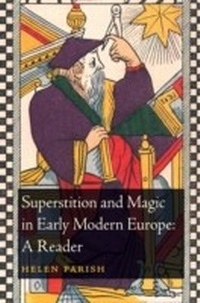
Superstition and Magic in Early Modern Europe: A Reader
1st Edition
Published on 20. November 2014
352 pages
978-1-4411-4974-9 (ISBN)
Description

Superstition and Magic in Early Modern Europe brings together a rich selection of essays which represent the most important historical research on religion, magic and superstition in early modern Europe. Each essay makes a significant contribution to the history of magic and religion in its own right, while together they demonstrate how debates over the topic have evolved over time, providing invaluable intellectual, historical, and socio-political context for readers approaching the subject for the first time.
The essays are organised around five key themes and areas of controversy. Part One tackles superstition; Part Two, the tension between miracles and magic; Part Three, ghosts and apparitions; Part Four, witchcraft and witch trials; and Part Five, the gradual disintegration of the 'magical universe' in the face of scientific, religious and practical opposition. Each part is prefaced by an introduction that provides an outline of the historiography and engages with recent scholarship and debate, setting the context for the essays that follow and providing a foundation for further study.
This collection is an invaluable toolkit for students of early modern Europe, providing both a focused overview and a springboard for broader thinking about the underlying continuities and discontinuities that make the study of magic and superstition a perennially fascinating topic.
The essays are organised around five key themes and areas of controversy. Part One tackles superstition; Part Two, the tension between miracles and magic; Part Three, ghosts and apparitions; Part Four, witchcraft and witch trials; and Part Five, the gradual disintegration of the 'magical universe' in the face of scientific, religious and practical opposition. Each part is prefaced by an introduction that provides an outline of the historiography and engages with recent scholarship and debate, setting the context for the essays that follow and providing a foundation for further study.
This collection is an invaluable toolkit for students of early modern Europe, providing both a focused overview and a springboard for broader thinking about the underlying continuities and discontinuities that make the study of magic and superstition a perennially fascinating topic.
More details
Edition
1. Auflage
Language
English
Place of publication
New York
United States
Publishing group
Bloomsbury Publishing PLC (Digital)
ISBN-13
978-1-4411-4974-9 (9781441149749)
Copyright in bibliographic data and cover images is held by Nielsen Book Services Limited or by the publishers or by their respective licensors: all rights reserved.
Schweitzer Classification
Other editions
Additional editions
Book
11/2014
Bloomsbury Academic USA
€47.50
Shipment within 15-20 days
Persons
Helen Parish is Professor of History at the University of Reading, UK. She is the author of Monks, Miracles and Magic: Reformation Representations of the Medieval Church (2005).
Content
Part I - Superstition
Introduction
1. K. Kamerick, 'Shaping Superstition in Late Medieval England ', in Magic, Ritual and Witchcraft 3.1 (2008): 29-53
2. E. Cameron, 'For Reasoned Faith or Embattled Creed', Transactions of the Royal Historical Society, 8 (1998): 165-87
3. E. Peters, Material from 'The medieval Church and State on Superstition, Magic and Witchcraft', Athlone History of Witchcraft and Magic (volume 1),pp.178-86, 207-217, 223-237, 238-245
Part II - Miracles and Magic
Introduction
4. H. Parish, 'Lying Histories Fayning False Miracles', Reformation and RenaissanceReview 4.2 (2002): 230-40
5. L. Daston, 'Marvellous Facts and Miraculous Evidence in Early Modern Europe', Critical Inquiry 18.1 (1991): 93-124
6. R. Kieckhefer 'The Specific Rationality of Medieval Magic', American Historical Review, 99.3 (1994): 813-36
Part III - Ghosts and Apparitions
Introduction
7. A. Walsham, 'Sermons in the Sky: Apparitions in Early Modern Europe', History Today 51.4 (2001: 56-63
8. R. Bowyer, 'The Role of the Ghost Story in Medieval Christianity' , The Folklore of Ghosts ed. H.E. Davidson, W. Russell (Folklore Society, 1981)
Part IV - Witchcraft
Introduction
9. W. Monter, 'Toads and Eucharists: The male witches of Normandy 1564-1660', French Historical Studies 20.4 (1997): 563-95
10. S. Clark 'Witchcraft and Magic in Early Modern culture' in the Athlone History of Witchcraft and Magic (section on demonology)
11. E. Bever, 'Witchcraft, female aggression and power in the early modern community', Journal of Social History 35.4 (2002): 955-88
Part V - 'Disenchantment' of Europe
Introduction
12. M.D. Bailey, 'The disenchantment of magic: spells, charms and superstition in early European witchcraft literature', American Historical Review
13. B. Levack, 'Part One: The decline and end of witchcraft prosecutions', in Athlone History of witchcraft and magic volume 5
14. D.P. Walker, 'The Cessation of Miracles', in L. Merkel and A.G. Debus eds, Hermeticism and the Renaissance, (Folger / AUP, 1988), pp.111-124
Introduction
1. K. Kamerick, 'Shaping Superstition in Late Medieval England ', in Magic, Ritual and Witchcraft 3.1 (2008): 29-53
2. E. Cameron, 'For Reasoned Faith or Embattled Creed', Transactions of the Royal Historical Society, 8 (1998): 165-87
3. E. Peters, Material from 'The medieval Church and State on Superstition, Magic and Witchcraft', Athlone History of Witchcraft and Magic (volume 1),pp.178-86, 207-217, 223-237, 238-245
Part II - Miracles and Magic
Introduction
4. H. Parish, 'Lying Histories Fayning False Miracles', Reformation and RenaissanceReview 4.2 (2002): 230-40
5. L. Daston, 'Marvellous Facts and Miraculous Evidence in Early Modern Europe', Critical Inquiry 18.1 (1991): 93-124
6. R. Kieckhefer 'The Specific Rationality of Medieval Magic', American Historical Review, 99.3 (1994): 813-36
Part III - Ghosts and Apparitions
Introduction
7. A. Walsham, 'Sermons in the Sky: Apparitions in Early Modern Europe', History Today 51.4 (2001: 56-63
8. R. Bowyer, 'The Role of the Ghost Story in Medieval Christianity' , The Folklore of Ghosts ed. H.E. Davidson, W. Russell (Folklore Society, 1981)
Part IV - Witchcraft
Introduction
9. W. Monter, 'Toads and Eucharists: The male witches of Normandy 1564-1660', French Historical Studies 20.4 (1997): 563-95
10. S. Clark 'Witchcraft and Magic in Early Modern culture' in the Athlone History of Witchcraft and Magic (section on demonology)
11. E. Bever, 'Witchcraft, female aggression and power in the early modern community', Journal of Social History 35.4 (2002): 955-88
Part V - 'Disenchantment' of Europe
Introduction
12. M.D. Bailey, 'The disenchantment of magic: spells, charms and superstition in early European witchcraft literature', American Historical Review
13. B. Levack, 'Part One: The decline and end of witchcraft prosecutions', in Athlone History of witchcraft and magic volume 5
14. D.P. Walker, 'The Cessation of Miracles', in L. Merkel and A.G. Debus eds, Hermeticism and the Renaissance, (Folger / AUP, 1988), pp.111-124
