

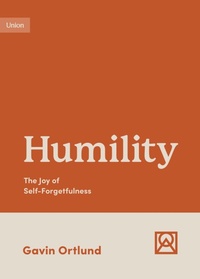
Humility
Description

Cultivating Humility in a Gospel-Centered Way
There are many misconceptions about what it means to be humble. Some think that being humble means hiding your talents and abilities or being weak and inauthentic. But the Bible paints a different picture-defining humility as a self-forgetfulness leading to joy and explaining that it is a life-giving virtue that frees you from the restricting needs of your ego.
In Humility: The Joy of Self-Forgetfulness, Gavin Ortlund encourages readers that humility is not just an abstract virtue but a mark of gospel integrity. Ortlund examines humility both on a personal level and in the context of the church, giving examples of ways to cultivate it-including meditation on the gospel and practicing intentional gratitude. Drawing from Philippians 2 and historical texts such as C. S. Lewis's Mere Christianity and Jonathan Edwards's sermon "A Christian Spirit Is a Humble Spirit," Ortlund defines humility in light of the incarnation and death of Jesus Christ, casting a vision for a gospel-centered, humble life.
- First Book in the Growing Gospel Integrity Series: Created in partnership with Union School of Theology, with future volumes written by Sinclair B. Ferguson, Joe Rigney, and Conrad Mbewe
- Written by Gavin Ortlund: Author of Theological Retrieval for Evangelicals: Why We Need Our Past to Have a Future and Finding the Right Hills to Die On: The Case for Theological Triage
- For Small Groups and Individual Study: Questions at the end of each chapter encourage small group discussion
More details
Other editions
Additional editions
Person
Gavin Ortlund (PhD, Fuller Seminary) is the president of Truth Unites, theologian-in-residence at Immanuel Church in Nashville, Tennessee, and visiting professor of Historical Theology at Phoenix Seminary. He is the author of several books, including Humility and Finding the Right Hills to Die On.
