

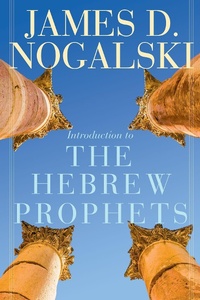
Introduction to the Hebrew Prophets
Published on 20. February 2018
235 pages
978-1-5018-3750-0 (ISBN)
Description

Following the Hebrew canon, the author offers a basic introduction, which includes critical issues such as authorship, unity, dates of composition and revision, and structure. Drawing upon current scholarship, Dr. Nogalski shows how these issues are relevant to the theological themes and movements that help characterize the text and hold meaning for us. The last decades have seen many changes when it comes to the study of the four Latter Prophets (Isaiah, Jeremiah, Ezekiel, and the book of the Twelve). Among others, these changes have identified a greater role for the prophetic scroll - not merely the prophetic character - as a vehicle for conveying the prophetic message. Nogalski's introduction to the prophets invites modern readers to hear these scrolls through the processes that shaped them, to recognize the thematic threads that traverse them, and to react to the words that confront religious and ethical complacency, that speak truth to power, and that offer hope to the oppressed. Each chapter will include a brief bibliography for further reading and discussion questions to help students focus on key concepts.
More details
Other editions
Additional editions
James D. Nogalski
Introduction to the Hebrew Prophets
Book
02/2018
Abingdon Press
€27.40
Shipment within 10-20 days
Person
James D. Nogalski is Professor and Director of Graduate Studies in Religion at Baylor University. Nogalski is best known for his ongoing work in prophetic literature of the Hebrew Bible and is the author of several books on the topic.
Content
- Cover
- Half title
- Title
- Copyright
- Contents
- List of Abbreviations
- Acknowledgments
- Preface
- The Prophets and the Canon
- This Introduction and Groups Behind the Prophetic Scrolls
- Chapter 1: Isaiah
- Isaiah of Jerusalem: The Prophet and the Book
- Historical Backdrops
- A Developing Corpus Covering the Eighth Century BCE to the Persian Period
- Updating the Corpus in the Reign of Josiah?
- Updating the Corpus through the Persian Period
- The Structure and Contents in Isaiah
- Isaiah 1-12: Introductions to the Book and to Early Traditions
- Isaiah 1: The Book's Thematic Introduction
- Isaiah 2-4: Removing Idols and Injustice
- Isaiah 5:1-10:4: Judgment on the South and the North
- Isaiah 10:5-12:6: Punishment of Assyria and Restoration of King and People
- Isaiah 13-27: Judging the Nations and the World
- Isaiah 13-23: Judgment against Foreign Nations
- The Early Core of Isaiah 13-23
- The Babylonian Expansion
- A Zion Expansion in 13-23
- Isaiah 24-27: A Shift to Universal Judgment
- Universal Judgment for the Righteous and the Wicked
- A Thematic Hinge between 13-23 and Beyond
- Isaiah 28-35: An Early Core and Persian-Period Updates
- Isaiah 28-31: Calls for Change
- Isaiah 32-35: Literary Bridges
- Isaiah 36-39: An Adapted Narrative
- Isaiah 40-55: Returning from Exile
- Isaiah 40-48: Leaving Babylon
- Topics Distinctive to 40-48
- Topics Shared but Distinct in 40-48 and 49-55
- Isaiah 49-55: Coming to Jerusalem
- Isaiah 56-66: Contention and Debate in the Second Temple Period
- Consensus, Fractures, Models
- The Compositional Blocks
- Isaiah 60-62: Conversations with Lady Zion and the Servant
- Isaiah 56:9-59:21: Blaming the People and Awaiting a Change
- Isaiah 63-66: Victory over Edom and Calls to the Servants
- Chapter 2: Jeremiah
- Historical Backdrop
- Competing Regional Powers: Assyria, Babylon, Egypt, Others
- Assyrian Expansion and Decline
- Babylonian Usurpation
- Egyptian Defense and Intrigue
- Judah's Neighbors
- Judean Kings in the Seventh and Sixth Centuries BCE
- From Hezekiah to Manasseh: A Change of Focus
- From Manasseh to Josiah: A Return to Hezekiah's Vision?
- From Josiah to Jerusalem's Destruction: Power, Intrigue, and Rebellion
- Introductory Issues for the Book of Jeremiah
- The Prophet and the Book
- Dates of Composition
- Unity
- Sources and the Final Form
- Redactional Models
- The Structure and Contents in Jeremiah
- Jeremiah 1-25: Accusations, Laments, and Failed Leaders
- Jeremiah 1: Setting the Stage
- Jeremiah 2-10: Laying Out the Problems
- Jeremiah 11-20: Complaints and Conversations
- Jeremiah 21-25: Charges against the Leadership
- Jeremiah 26-45 + 52: Reports, Illustrations, and Repetition
- Three Cycles of Tragedy
- Recurring Themes in Jeremiah 26-45 + 52
- Jeremiah 46-51: The Oracles against the Nations
- Major Themes in Jeremiah
- Chapter 3: Ezekiel
- Historical Backdrop
- Introductory Issues for the Book of Ezekiel
- The Prophet and the Book
- Dates of Composition
- Unity of Ezekiel
- Sources and the Final Form
- Redactional Models
- The Structure and Contents in Ezekiel
- Ezekiel 1-24: Judgment against Israel
- Ezekiel 1-3: Throne Vision and Commission
- Ezekiel 4-7: Symbolic-Action Reports and Oracles
- Ezekiel 8-11: Vision of Jerusalem's Guilt and YHWH's Departure
- Ezekiel 12-19: Symbolic Acts, Allegories, and Contemplations
- Ezekiel 20-24: Judgment Comes Closer
- Ezekiel 25-32: The Oracles against the Nations
- Ezekiel 33-48: Restoration of the People, the Temple, and the Land
- Ezekiel 33-39: Hope for Cleansing and Restoration
- Ezekiel 33: Sentinel, Silence, and Survivors of the Destruction of Jerusalem
- Ezekiel 34-37: Restoration Oracles
- Ezekiel 38-39: Grand Defeat of the Enemies
- Ezekiel 40-48: Vision of a New Temple, YHWH's Return, and New Tribal Allotment
- Important Themes in Ezekiel
- Chapter 4: The Beginnings of the Twelve
- Introduction
- Ancient Traditions
- Recent Investigations
- Individual Writings and the Collective Whole
- Hosea
- The Prophet and the Book
- The Structure and Contents of Hosea
- Hosea 1-3: Marriage Metaphors and Symbolic Actions
- Hosea 4-6: Accusations, Judgment, and Calls to Return
- Hosea 7-11: Politics, Idolatry, Punishment, and Reprieve
- Hosea 12-14: Judgment and a Call to Return
- Recurring Themes
- Cultic Behavior
- Behavioral Expectations
- Political Foolishness
- Hosea within the Book of the Twelve
- Amos
- The Prophet and the Book
- The Structure and Contents of Amos
- Amos 1-2: The Oracles against the Nations
- Amos 3-6: The Sayings
- Amos 7:1-9:6: The Visions
- Amos 9:7-15: The Promises
- Composition of Amos and Its Contexts
- Micah
- The Prophet and the Book
- The Structure and Contents of Micah
- Micah 1-3: Jerusalem's Impending Destruction
- Micah 6-7: Pleading the Case for Judgment and Hope
- Micah 4-5: The Distant Future
- Micah within the Book of the Twelve
- Zephaniah
- The Prophet and the Book
- The Structure and Contents of Zephaniah
- The Early Core of Zephaniah
- Hope for Restoration
- Scribal Prophecy with Other Texts
- Zephaniah within the Book of the Four and the Book of the Twelve
- Chapter 5: The End of the Twelve
- Introduction
- Historical Backdrop to Haggai and Zechariah 1-8
- Haggai
- The Prophet and the Book
- The Structure and Contents of Haggai
- Haggai within the Book of the Twelve
- Zechariah 1-8
- The Prophet and the Book
- The Structure and Composition of Zechariah
- Zechariah 1:1-6: The People Repent
- Zechariah 1:7-6:14: The Vision Cycle
- The Meaning of the Images
- Zechariah 7:1-8:23: An End to Fasting
- Zechariah 9-14
- Authorship
- Historical Backdrop to Zechariah 9-14
- Dates of Composition and Point of Compilation
- The Structure and Contents of Zechariah 9-14
- Zechariah and the Prophetic Corpus
- Malachi
- The Prophet and the Book
- Authorship
- The Structure and Composition
- Malachi 1:1: The Burden of the Word of YHWH
- Malachi 1:2-5: I Love Jacob
- Malachi 1:6-2:9: Contesting Sacrifices
- Malachi 2:10-16: Covenant Fidelity and Marriage
- Malachi 2:17-3:5: The Day of YHWH's Coming
- Malachi 3:6-12: Return to YHWH
- Malachi 3:13-4:3 (Heb. 3:16-21): Confronting the Arrogant and Rewarding Those Who Fear YHWH
- Malachi 4:4-6 (Heb. 3:22-24): Remember the Torah
- Malachi within the Book of the Twelve
- Chapter 6: The Remainder of the Twelve
- Introduction
- Nahum
- The Prophet and the Book
- The Structure and Contents of Nahum
- The Anti-Assyria Anthology
- The Theophanic Hymn (1:2-8) and the Transitional Material (1:9-10, 12b-13
- 2:1 [Heb. 1:15])
- Dating the Prophet and the Book
- Nahum within the Book of the Twelve
- Habakkuk
- The Prophet and the Book
- The Structure and Contents
- Dating the Prophet and the Book
- Habakkuk within the Book of the Twelve
- Joel
- Historical Backdrop to Joel
- The Prophet and the Book
- The Structure and Contents of Joel
- Joel within the Book of the Twelve
- Obadiah
- The Prophet and the Book
- Historical Backdrop to Obadiah
- The Structure and Contents of Obadiah
- Structural Models for Obadiah
- Parallels with Jeremiah 49:7-22 and Amos 9
- Dating the Prophet and the Book
- Obadiah, the Book of the Twelve, and the Rest of the Latter Prophets
- Jonah
- The Prophet and the Book
- Literary and Historical Settings for Jonah
- The Structure and Contents
- Questions of Unity
- Jonah within the Book of the Twelve
- Glossary (Compiled by Will Briggs)
- For Further Reading
- Books on Prophets and Prophetic Literature
- Books on Scribes, Scrolls, and Literary History
- Notes
