


aPHR Associate Professional in Human Resources Certification All-in-One Exam Guide, Second Edition
1st Edition
Published on 8. April 2022
432 pages
978-1-264-28626-3 (ISBN)
Available for download
Description

This highly effective self-study system offers complete coverage of every subject on the aPHR(R) examTake the Human Resources Certification Institute s 2022 aPHR exam with complete confidence using this integrated study guide. Written by a team of HR experts, aPHR Associate Professional in Human Resources Certification All-in-One Exam Guide, Second Edition features information about the aPHR exam, HR certifications in general, and important U.S. laws and regulations. You ll find learning objectives at the beginning of each chapter, exam tips, accurate practice questions, and in-depth explanations. Beyond fully preparing you for the challenging exam, the guide also serves as a valuable on-the-job reference.Covers all exam topics, including:U.S. laws and regulationsTalent acquisitionLearning and developmentCompensation and benefitsEmployee relationsCompliance and risk managementEarly HR career level tasksOnline content includes:250 practice exam questionsTest engine that provides full-length practice exams and customized quizzes by topic
More details
Other editions
Additional editions
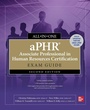
Christina Nishiyama | Dory Willer | William Truesdell
aPHR Associate Professional in Human Resources Certification All-in-One Exam Guide, Second Edition
Book
05/2022
2nd Edition
McGraw-Hill Education
€50.20
Shipment within 15-20 days
Content
- Cover
- Title Page
- Copyright Page
- Dedication
- Contents at a Glance
- Contents
- Acknowledgments
- Introduction
- Part I The Human Resource Profession
- Chapter 1 Human Resource Certification
- Professional Certifications
- HR Certification Organizations
- The HR Certification Institute (HRCI)
- The Society for Human Resource Management (SHRM)
- The International Public Management Association for Human Resources (IPMA-HR)
- Benefits of Certification
- The aPHR Exam
- The Significance of the HR Body of Knowledge
- The Test Development Process
- The Exam Experience
- The aPHR Registration Process
- Preparing for the Exam
- Exam Readiness
- Chapter Review
- Endnotes
- Chapter 2 U.S. Laws and Regulations
- When You Have ONE or More Employees
- The Clayton Act (1914)
- The Consumer Credit Protection Act (1968)
- The Copeland "Anti-Kickback" Act (1934)
- The Copyright Act (1976)
- The Davis-Bacon Act (1931), as Amended in 2002
- The Dodd-Frank Wall Street Reform and Consumer Protection Act (2010)
- The Economic Growth and Tax Relief Reconciliation Act (EGTRRA) (2001)
- The Electronic Communications Privacy Act (ECPA) (1986)
- The Employee Polygraph Protection Act (1988)
- The Employee Retirement Income Security Act (ERISA) (1974)
- The Equal Pay Act (an Amendment to the FLSA) (1963)
- The FAA Modernization and Reform Act (2012)
- The Fair and Accurate Credit Transactions Act (FACT) (2003)
- The Fair Credit Reporting Act (FCRA) (1970), as Amended in 2011
- The Fair Labor Standards Act (FLSA) (1938)
- The Foreign Corrupt Practices Act (FCPA) (1977)
- The Health Information Technology for Economic and Clinical Health (HITECH) Act (2009)
- The Health Insurance Portability and Accountability Act (HIPAA) (1996)
- The Immigration and Nationality Act (INA) (1952)
- The Immigration Reform and Control Act (IRCA) (1986)
- The IRS Intermediate Sanctions (2002)
- The Labor-Management Relations Act (LMRA
- Taft-Hartley Act) (1947)
- The Labor-Management Reporting and Disclosure Act (Landrum-Griffin Act) (1959)
- The Mine Safety and Health Act (1977)
- The National Industrial Recovery Act (1933)
- The National Labor Relations Act (NLRA
- Wagner Act) (1935)
- The Needlestick Safety and Prevention Act (2000)
- The Norris-LaGuardia Act (NLRA) (1932)
- The Occupational Safety and Health Act (OSHA) (1970)
- The Omnibus Budget Reconciliation Act (OBRA) (1993)
- The Pension Protection Act (PPA) (2006)
- The Personal Responsibility and Work Opportunity Reconciliation Act (1996)
- The Portal-to-Portal Act (1947)
- The Railway Labor Act (1926)
- The Rehabilitation Act (1973)
- The Retirement Equity Act (REA) (1984)
- The Revenue Act (1978)
- The Sarbanes-Oxley Act (SOX) (2002)
- The Securities and Exchange Act (1934)
- The Service Contract Act (1965)
- The Sherman Anti-Trust Act (1890)
- The Small Business Job Protection Act (1996)
- The Social Security Act (1935)
- The Tax Reform Act (1986)
- The Taxpayer Relief Act (1997)
- The Trademark Act (1946)
- The Unemployment Compensation Amendments (UCA) (1992)
- The Uniformed Services Employment and Reemployment Rights Act (USERRA) (1994)
- The Vietnam Era Veterans Readjustment Assistance Act (1974), as Amended by the Jobs for Veterans Act (2002)
- The Wagner-Peyser Act (1933), as Amended by the Workforce Innovation and Opportunity Act (2014)
- The Walsh-Healey Act (Public Contracts Act) (1936)
- The Work Opportunity Tax Credit (WOTC) (1996)
- Whistleblowing
- For FIFTEEN or More Employees
- The Americans with Disabilities Act (ADA) (1990), as Amended by the Americans with Disabilities Act Amendments Act (ADAAA) (2008)
- The Civil Rights Act (Title VII) (1964)
- The Civil Rights Act (1991)
- The Drug-Free Workplace Act (1988)
- The Equal Employment Opportunity Act (EEOA) (1972)
- The Genetic Information Nondiscrimination Act (GINA) (2008)
- Guidelines on Discrimination Because of Sex (1980)
- The Lilly Ledbetter Fair Pay Act (2009)
- The Pregnancy Discrimination Act (1978)
- The Uniform Guidelines on Employee Selection Procedures (1978)
- For TWENTY or More Employees
- The Age Discrimination in Employment Act (ADEA) (1967), as Amended
- The American Recovery and Reinvestment Act (ARRA) (2009)
- The Consolidated Omnibus Budget Reconciliation Act (COBRA) (1986)
- The Older Workers Benefit Protection Act (OWBPA) (1990)
- For FIFTY or More Employees
- Executive Order 11246: Affirmative Action (1965)
- The Family and Medical Leave Act (FMLA) (1993), Expanded 2008, 2010
- The Mental Health Parity Act (MHPA) (1996)
- The Mental Health Parity and Addiction Equity Act (MHPAEA) (2008)
- The National Defense Authorization Act (2008), Expanded in 2010
- The Patient Protection and Affordable Care Act (PPACA) (2010)
- Executive Order 13706: Paid Sick Leave for Federal Contractors (2015)
- For ONE HUNDRED or More Employees
- The Worker Adjustment and Retraining Notification (WARN) Act (1988)
- For Federal Government Employees
- The Civil Service Reform Act (1978)
- The Congressional Accountability Act (1995)
- The False Claims Act (1863)
- The Homeland Security Act (2002)
- The Privacy Act (1974)
- The USA PATRIOT Act (2001)
- Employment Visas for Foreign Nationals
- E Nonimmigrant Visas
- H Visas
- L-1 Intracompany Transferee
- O-1 Alien of Extraordinary Ability in Arts, Science, Education, Business, Athletics
- P Visa Categories
- EB Employment-Based Visas
- Chapter Review
- Questions
- Answers
- Endnotes
- Part II aPHR Body of Knowledge Functional Areas
- Chapter 3 Talent Acquisition
- Knowledge of
- Laws and Regulations
- Federal Laws
- Workforce Planning
- Forecasting Staffing Needs
- Job Analysis
- Job Descriptions and Job Specifications
- Alternative Staffing Practices
- Phased Retirement
- Contractor Payrolling
- Employee Leasing and Professional Employer Organizations (PEOs)
- Outsourcing and Managed Service Providers (MSPs)
- Temp-to-Lease Programs
- Rehires and Transfers
- Talent Sourcing
- Internal Recruitment
- External Recruitment
- Applicant Databases
- Records Retention
- Résumés vs. Job Applications
- Self-Identification
- Pre-employment Skill Testing
- Interviewing Techniques
- Types of Interviews
- Interviewing Skills and Techniques
- Interviewing Bias
- After the Interview
- Job Offers
- Background Checks
- Medical Examinations
- Onboarding
- Administrative Paperwork
- Onboarding for Retention
- Return on Investment
- Some Ways to Measure Hiring
- Chapter Review
- Questions
- Answers
- Endnotes
- Chapter 4 Learning and Development
- Knowledge of
- Laws and Regulations
- HR's Role in Training and Development
- Organizational Values
- Setting Expectations in Orientation
- Instructional Design
- Learning Objectives
- ADDIE Model
- Teacher-Centered Approaches
- Learner-Centered Approaches
- Chunking
- Learning Curves
- Training Delivery Format
- Classroom
- E-Learning
- On-the-Job Training (OJT)
- Techniques to Evaluate Training Programs
- Participant Surveys and Questionnaires
- Pre- and Post-Testing
- Measuring Behavior: After-Action Review
- Return on Investment
- Tracking and Reporting
- Career Development Practices
- Succession Planning
- Career Pathing
- Dual-Ladder Careers
- Career Counseling
- Change Management
- Popular Theories
- Chapter Review
- Questions
- Answers
- Endnotes
- Chapter 5 Compensation and Benefits
- Knowledge of
- Laws and Regulations
- The Employee Retirement Income Security Act (ERISA)
- Fair Labor Standards Act (FLSA) (1938), as Amended
- Health Insurance Portability and Accountability Act (HIPAA)
- Social Security Act
- The Uniformed Services Employment and Reemployment Rights Act (USERRA)
- Consolidated Omnibus Budget Reconciliation Act (COBRA)
- Family and Medical Leave Act (FMLA)
- Patient Protection and Affordable Care Act (PPACA)
- Total Rewards
- Secrecy or Transparency?
- Job Evaluation
- Job Evaluation Methods
- Pricing and Pay Rates
- Pay Grades and Ranges
- Variations in Pay: Red and Green Circle Rates
- Base Pay Systems
- Single or Flat-Rate System
- Time-Based Step Rate Systems
- Performance-Based Merit Pay System
- Productivity-Based Systems
- Straight Piece-Rate System
- Differential Piece-Rate System
- Person-Based Systems
- Knowledge-Based System
- Skill-Based System
- Competency-Based System
- Financial Incentives
- Differential Pay
- Overtime Pay
- Hazard Pay
- Shift Pay
- Reporting Time Pay
- On-Call Pay
- Callback Pay
- Geographic Differentials
- Weekend and Holiday Pay
- Team and Group Incentives
- Organization-Based Pay
- Profit Sharing
- Gainsharing
- Payroll
- Payroll Administration
- Payroll Systems
- Wage Statements
- Employee Benefits
- Government-Mandated Benefits
- Healthcare Benefits
- Health Benefits Eligibility
- Health Benefits Enrollment
- Healthcare Plan Designs
- Prescription Drug Plans
- Dental Plans
- Vision Care Plans
- Healthcare Costs
- Common Benefits Provided to Employees
- Disability Benefits
- Life Insurance
- Long-Term Care (LTC) Insurance
- Employee Assistance Programs (EAPs)
- Retirement Plans
- Supplemental Unemployment Benefits (SUBs)
- Paid Leaves
- Supplemental Benefits
- Tuition Reimbursement
- Paid Volunteer Time
- Workplace Amenities
- Employee Recognition Programs
- Childcare Services
- Elder Care
- Commuter Assistance
- Prepaid Legal Insurance
- Gym Membership
- Housing or Relocation Assistance
- Travel Stipends
- Legal Compliance
- Taxable and Nontaxable Benefits
- Communication Required by Law
- Benefits Communication
- Total Rewards Statements
- Communicating Through Employee Self-Service (ESS) Technologies
- Chapter Review
- Questions
- Answers
- Endnotes
- Chapter 6 Employee Relations
- Knowledge of
- Laws and Regulations
- State Laws
- Federal Regulations
- Rights and Responsibilities
- Employer
- Employee
- Organizational Strategy
- Mission
- Vision
- Values
- Goals and Objectives
- Strategic Planning
- Organizational Structure
- Organizational Communication
- Human Resource Information Systems (HRISs)
- Human Resource Policies
- Employee Handbook
- Employee Engagement Programs
- Recognition
- Work/Life Balance
- Alternative Work Arrangements
- Special Events
- Employee Feedback
- Employee Surveys
- Processes for Obtaining Feedback
- Diversity and Inclusion Programs
- Cultural Sensitivity and Acceptance
- Social Responsibility
- Measuring Diversity
- Performance Management
- Performance Standards
- Performance Appraisal Methods
- Shortcomings of Performance Appraisals
- Performance Improvement Plan (PIP)
- Workplace Behavior
- Attendance and Absenteeism
- Violation of Code of Conduct
- Employee Conflicts
- Workplace Harassment
- Complaints and Grievances
- Methods of Investigation
- Progressive Discipline
- Identifying Steps of Discipline
- Documenting Progressive Discipline
- When to Escalate Corrective Action
- Termination
- Off-Boarding
- Payroll Processing: Final Paycheck
- Benefit Processing
- Documenting Reason for Separation
- Chapter Review
- Questions
- Answers
- Endnotes
- Chapter 7 Compliance and Risk Management
- Knowledge of
- Laws and Regulations
- Employment-at-Will
- Equal Employment Opportunity Commission (EEOC)
- Department of Labor (DOL)
- Labor Unions
- NLRB Procedures for Recognizing a Union
- Collective Bargaining
- Contract Negotiation
- Establishing Contract Costs
- Administering Union Contracts (MoU or CBA)
- Unfair Labor Practices
- Complaint/Grievance Handling
- Mediation and Arbitration (Alternative Dispute Resolution, or ADR)
- Risk Mitigation
- Injury and Illness Prevention Plan (IIPP)
- Health and Safety Monitoring
- Handling Workplace Violence
- Handling Emergencies
- Business Continuity
- Workforce Restructuring
- Security Risks
- Data Security/Cyber-Crimes
- Inventory and Supply Security
- Equipment Security
- Theft Prevention/Loss Prevention
- Preventing Equipment Damage
- Securing Passwords
- Terrorism
- Workers' Compensation Compliance
- Reporting Requirements
- Return-to-Work Policies
- OSHA Compliance
- Workplace Safety Inspections
- Accident Reporting
- Chapter Review
- Questions
- Answers
- Endnotes
- Chapter 8 Early HR Career-Level Tasks
- Task #1: Access, Collect, and Provide Information and Data to Support HR-Related Decisions
- Task #2: Comply with All Applicable Laws and Regulations
- Task #3: Coordinate and Communicate with External Providers of HR Services
- Task #4: Maintain Employee Data in HRIS or System of Record
- Task #5: Maintain, File, and Process HR Forms
- Task #6: Prepare HR-Related Documents
- Task #7: Provide Internal Customer Service by Answering or Referring HR-Related Questions from Employees as the First Level of Support
- Task #8: Communicate Information about HR Policies and Procedures
- Task #9: Communicate the Organization's Core Values, Vision, Mission, Culture, and Ethical Behaviors
- Task #10: Identify Risk in the Workplace
- Task #11: Minimize Risk by Conducting Audits
- Task #12: Document and Update Essential Job Functions with Support of Managers
- Task #13: Post Job Listings
- Task #14: Manage Applicant Databases
- Task #15: Screen Applicants for Managers to Interview
- Task #16: Answer Questions from Job Applicants
- Task #17: Coordinate Interview Logistics
- Task #18: Interview Job Candidates
- Task #19: Arrange for Tests and Assessments of Applicants
- Task #20: Coordinate the Employment Offer
- Task #21: Administer Post-Offer Employment Activities
- Task #22: Communicate Compensation and Benefits Programs and Systems
- Task #23: Coordinate Activities to Support Employee Benefits Programs
- Task #24: Coordinate Payroll-Related Information
- Task #25: Process Claims from Employees
- Task #26: Resolve Routine Employee Compensation and Benefits Issues
- Task #27: Conduct Orientation and Onboarding for New Hires, Rehires, and Transfers
- Task #28: Coordinate Training Sessions
- Task #29: Conduct Employee Training Programs
- Task #30: Coordinate the Logistics for Employee Relations Programs
- Task #31: Monitor Completion of Performance Reviews and Development Plans
- Chapter Review
- Endnote
- Part III Appendixes and Glossary
- Appendix A List of Common HR Acronyms
- Appendix B Case Laws by Chapter
- Chapter 3: Talent Acquisition
- Chapter 4: Learning and Development
- Chapter 5: Compensation and Benefits
- Chapter 6: Employee Relations
- Chapter 7: Compliance and Risk Management
- Chapter 8: Early HR Career-Level Tasks
- Appendix C For Additional Study
- Appendix D About the Online Content
- System Requirements
- Your Total Seminars Training Hub Account
- Privacy Notice
- Single User License Terms and Conditions
- TotalTester Online
- Technical Support
- Glossary
- Index

