

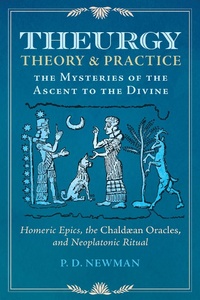
Theurgy: Theory and Practice
The Mysteries of the Ascent to the Divine
Published on 5. December 2023
224 pages
978-1-64411-837-5 (ISBN)
Description

Connects the magical practice of theurgy to the time of Homer
• Explores the many theurgic themes and events in the Odyssey and the Iliad
• Analyzes the writings of Neoplatonists Porphyry and Proclus, showing how both describe the technical ritual praxis of theurgy in Homeric terms
• Examines the methods of telestike, a form of theurgic statue animation and technique to divinize the soul, and how theurgy is akin to shamanic soul flight
First defined by the second century Chaldean Oracles, theurgy is an ancient magic practice whereby practitioners divinized the soul and achieved mystical union with a deity, the Demiurge, or the One.
In this detailed study, P. D. Newman pushes the roots of theurgy all the way back before the time of Homer. He shows how the Chaldean Oracles were not only written in Homeric Greek but also in dactylic hexameter, the same meter as the epics of Homer. Linking the Greek shamanic practices of the late Archaic period with the theurgic rites of late antiquity, the author explains how both anabasis, soul ascent, and katabasis, soul descent, can be considered varieties of shamanic soul flight and how these practices existed in ancient Greek culture prior to the influx of shamanic influence from Thrace and the Hyperborean North.
The author explores the many theurgic themes and symbolic events in the Odyssey and the Iliad, including the famous journey of Odysseus to Hades and the incident of the funeral pyre of Patroclus. He presents a close analysis of On the Cave of the Nymphs, Porphyry's commentary on Homer's Odyssey, as well as a detailed look at Proclus's symbolic reading of Homer's Iliad, showing how both of these Neoplatonists describe the philosophical theory and the technical ritual praxis of theurgy. Using the Chaldean Oracles as a case study, Newman examines in detail the methods of telestike, a form of theurgic statue animation, linking this practice to ancient Egyptian and Greek traditions as well as theurgic techniques to divinize the soul.
Revealing how the theurgic arts are far older than the second century, Newman's study not only examines the philosophical theory of theurgy but also the actual ritual practices of the theurgists, as described in their own words.
• Explores the many theurgic themes and events in the Odyssey and the Iliad
• Analyzes the writings of Neoplatonists Porphyry and Proclus, showing how both describe the technical ritual praxis of theurgy in Homeric terms
• Examines the methods of telestike, a form of theurgic statue animation and technique to divinize the soul, and how theurgy is akin to shamanic soul flight
First defined by the second century Chaldean Oracles, theurgy is an ancient magic practice whereby practitioners divinized the soul and achieved mystical union with a deity, the Demiurge, or the One.
In this detailed study, P. D. Newman pushes the roots of theurgy all the way back before the time of Homer. He shows how the Chaldean Oracles were not only written in Homeric Greek but also in dactylic hexameter, the same meter as the epics of Homer. Linking the Greek shamanic practices of the late Archaic period with the theurgic rites of late antiquity, the author explains how both anabasis, soul ascent, and katabasis, soul descent, can be considered varieties of shamanic soul flight and how these practices existed in ancient Greek culture prior to the influx of shamanic influence from Thrace and the Hyperborean North.
The author explores the many theurgic themes and symbolic events in the Odyssey and the Iliad, including the famous journey of Odysseus to Hades and the incident of the funeral pyre of Patroclus. He presents a close analysis of On the Cave of the Nymphs, Porphyry's commentary on Homer's Odyssey, as well as a detailed look at Proclus's symbolic reading of Homer's Iliad, showing how both of these Neoplatonists describe the philosophical theory and the technical ritual praxis of theurgy. Using the Chaldean Oracles as a case study, Newman examines in detail the methods of telestike, a form of theurgic statue animation, linking this practice to ancient Egyptian and Greek traditions as well as theurgic techniques to divinize the soul.
Revealing how the theurgic arts are far older than the second century, Newman's study not only examines the philosophical theory of theurgy but also the actual ritual practices of the theurgists, as described in their own words.
More details
Other editions
Additional editions
Book
01/2024
Inner Traditions Bear and Company
€37.50
Article in reprint
Person
P. D. Newman has been immersed in the study and practice of alchemy, hermetism, and theurgy for more than two decades. A member of both the Masonic Fraternity and the Society of Rosicrucians, he lectures internationally and has published articles in many esoteric journals, including The Scottish Rite Journal, Knights Templar Magazine, and Ad Lucem. He is the author of Angels in Vermilion: The Philosophers' Stone from Dee to DMT and Alchemically Stoned: The Psychedelic Secret of Freemasonry. He lives in Tupelo, Mississippi, with his son, Bacchus, and his wife, Rebecca.
Content
Foreword by Ioannis Marathakis
Introduction
PART I
Porphyry and Proclus's Para-Homeric Sources
1. Katabasis and the Presocratics
A Survey of Underworld Descents in Philosophy Prior to Plato
2. Platonic Allegories and Myths
A Discussion on Plato's Reorientation of Soul Flight with Reference to His Influence on the Development of Theurgy
3. The Chaldæan Oracles and Theurgy
A Discussion on the Official Emergence of Theurgy from Platonic Metaphysics
4. Plotinus and the Platonizing S ethian Gnostics
A Look at the Father of Neoplatonism and His Precarious Relationship with the Sethian School of Gnosticism
5. Hermetica and Theurgy
A Discussion on the Emergence of Hermetism with Reference to Its Close Parallels with the Art of Theurgy
PART II
The Odyssey and the Iliad
6. Porphyry's On the Cave of the Nymphs
An Exploration of Theurgic Theory with Reference to Porphyry's Reading of the Odyssey
7. Proclus's Commentary on Plato's Republic
A Breakdown of Theurgic Praxis with Reference to Proclus's Reading of the Iliad
PART III
Theurgic Telestike
8. Animated Agalmata
A Discussion on the Process of Statue Animation and Its Vital Role in Practical Theurgy
Conclusion
Appendix
Homeromanteion
A Method of Bibliomancy from the Greek Magical Papyri Involving the Iliad, the Odyssey, and Astragaloi or Kuboi
Notes
Bibliography
Index
Introduction
PART I
Porphyry and Proclus's Para-Homeric Sources
1. Katabasis and the Presocratics
A Survey of Underworld Descents in Philosophy Prior to Plato
2. Platonic Allegories and Myths
A Discussion on Plato's Reorientation of Soul Flight with Reference to His Influence on the Development of Theurgy
3. The Chaldæan Oracles and Theurgy
A Discussion on the Official Emergence of Theurgy from Platonic Metaphysics
4. Plotinus and the Platonizing S ethian Gnostics
A Look at the Father of Neoplatonism and His Precarious Relationship with the Sethian School of Gnosticism
5. Hermetica and Theurgy
A Discussion on the Emergence of Hermetism with Reference to Its Close Parallels with the Art of Theurgy
PART II
The Odyssey and the Iliad
6. Porphyry's On the Cave of the Nymphs
An Exploration of Theurgic Theory with Reference to Porphyry's Reading of the Odyssey
7. Proclus's Commentary on Plato's Republic
A Breakdown of Theurgic Praxis with Reference to Proclus's Reading of the Iliad
PART III
Theurgic Telestike
8. Animated Agalmata
A Discussion on the Process of Statue Animation and Its Vital Role in Practical Theurgy
Conclusion
Appendix
Homeromanteion
A Method of Bibliomancy from the Greek Magical Papyri Involving the Iliad, the Odyssey, and Astragaloi or Kuboi
Notes
Bibliography
Index
