

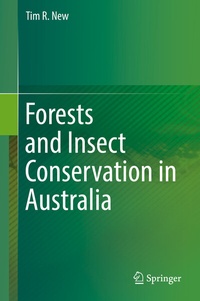
Forests and Insect Conservation in Australia
Description

Losses of forests and their insect inhabitants are a major global conservation concern, spanning tropical and temperate forest regions throughout the world. This broad overview of Australian forest insect conservation draws on studies from many places to demonstrate the diversity and vulnerability of forest insects and how their conservation may be pursued through combinations of increased understanding, forest protection and silvicultural management in both natural and plantation forests. The relatively recent history of severe human disturbance to Australian forests ensures that reasonably natural forest patches remain and serve as 'models' for many forest categories. They are also refuges for many forest biota extirpated from the wider landscapes as forests are lost, and merit strenuous protection from further changes, and wider efforts to promote connectivity between otherwise isolated remnant patches. In parallel, the recent attention to improving forest insect conservation inharmony with insect pest management continues to benefit from perspectives generated from better-documented faunas elsewhere. Lessons from the northern hemisphere, in particular, have led to revelations of the ecological importance and vulnerability of many insect taxa in forests, together with clear evidence that 'conservation can work' in concert with wider forest uses. A brief outline of the variety of Australian tropical and temperate forests and woodlands, and of the multitude of endemic and, often, highly localised insects that depend on them highlights needs for conservation (both of single focal species and wider forest-dependent radiations and assemblages). The ways in which insects contribute to sustained ecological integrity of these complex ecosystems provide numerous opportunities for practical conservation.
More details
Other editions
Additional editions
Person
Content
1. Forests and their insect inhabitants.- 2. Australia's forest ecosystems: conservation perspective for invertebrates.- 3. Changes and threats to Australia's forests.- 4. Insects in native and alien forests in Australia.- 5. Studying insects for conservation in forests.- 6. Insect flagships and indicators in forests.- 7. Conservation versus pest suppression: finding the balance.- 8. Saproxylic insects and the dilemmas of dead wood.- 9. Forest management for insects: issues and Approaches.- 10. Forest management for insect conservation in Australia.
