

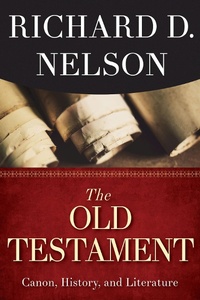
The Old Testament
Canon, History, and Literature
Published on 15. March 2019
352 pages
978-1-4267-5925-3 (ISBN)
Description

Engaging and accessible to students from all backgrounds, this book is a comprehensive introduction to the Old Testament. It is designed to equip readers with the knowledge and skills needed to read, interpret, and benefit from the Old Testament/Hebrew Bible in their own context. Using scholarly consensus and current research with numerous examples, this book helps prepare students for further advanced courses related to exegesis, individual books, and special topics. It also provides a balanced approach to controversial areas in biblical scholarship such as violence, sexuality, and slavery.
More importantly, this introduction understands the Old Testament as a resource for the human quest for meaning making it an essential tool for helping students appropriate this, often neglected, part of the Bible for their own faithful living.
It includes at-a-glance sections to highlight matters of special interest- including material about important ancient Egyptian west Asian documents; significant archaeological excavations; a demonstration of textual criticism; problematic translation issues such as Gen 1:1, Isa 7:14, or Job 19:25; special problems such as the chronology of the kings and the dating of the second fall of Jerusalem.
More importantly, this introduction understands the Old Testament as a resource for the human quest for meaning making it an essential tool for helping students appropriate this, often neglected, part of the Bible for their own faithful living.
It includes at-a-glance sections to highlight matters of special interest- including material about important ancient Egyptian west Asian documents; significant archaeological excavations; a demonstration of textual criticism; problematic translation issues such as Gen 1:1, Isa 7:14, or Job 19:25; special problems such as the chronology of the kings and the dating of the second fall of Jerusalem.
More details
Other editions
Additional editions
Book
02/2019
Abingdon Press
€39.50
Shipment within 10-20 days
Person
Richard D. Nelson is professor emeritus of Biblical Hebrew and Old Testament Interpretation at Perkins School of Theology, Southern Methodist University. His teaching career on the college and seminary level has spanned more than thirty-five years. He is the author of nine books on biblical themes, including The Historical Books (Abingdon Press, 1998) and Historical Roots of the Old Testament (1200-63 BCE). He has published commentaries on Deuteronomy, Joshua, Judges, and 1-2 Kings. Professor Nelson has been a visiting scholar at the Katholieke Universiteit Leuven, Belgium, Princeton Theological Seminary, and Tyndale House, Cambridge, England. He is an ordained pastor of the Evangelical Lutheran Church in America.
Content
- Cover
- Half title
- Title
- Copyright
- Contents
- Preface
- Part I: Laying the Groundwork
- Chapter 1: Old Testament and Hebrew Bible as Scripture
- 1. Why Learn about the Old Testament?
- 2. Scripture and Canon
- Sidebar 1.1. BCE and CE
- Table 1. Diverging Canons
- 3. The Jewish Canon of the Hebrew Bible
- Fig. 1. Aleppo Codex
- 4. The Christian Canon of the Old Testament
- Fig. 2. Codex Sinaiticus
- Sidebar 1.2. Chapter and Verse
- 5. Catholic, Orthodox, and Protestant Canons
- Sidebar 1.3. The Quran
- 6. Establishing the Earliest Text
- Further Reading
- Chapter 2: Geography, History, and Religion
- 1. Geography
- (a) Israel's Homeland
- Map 1. Fertile Crescent
- (b) Physical Regions
- Map 2. Physical Regions of Palestine
- Map 3. Important Urban Centers
- (c) Climate and Agriculture
- Sidebar 2.1. The Gezer Calendar
- Fig. 3. Gezer Calendar
- (d) Neighboring Peoples
- 2. History of the Pre-Exilic Period
- (a) Pre-Monarchic Period (about 1200 to 1000 BCE)
- Fig. 4. Merneptah Stele
- (b) Monarchic Period (about 1000 to 586 BCE)
- 3. Religion
- (a) Yahweh and the Gods
- Sidebar 2.2. Asherah
- (b) The Name Yahweh
- (c) Holy Places
- Further Reading
- Part II: Torah
- Chapter 3: Investigating the Pentateuch
- 1. The Documentary Hypothesis
- (a) Irregularities and Inconsistencies
- (b) Documents Combined into the Torah Story
- (c) Yahwist and Elohist
- Sidebar 3.1. Angels
- (d) The Priestly Writing
- Sidebar 3.2. Covenant
- (e) The Flood according to J and P
- 2. Form Criticism
- (a) Narrative Genres in Genesis
- Further Reading
- Chapter 4: Creation: Genesis 1-3
- 1. Understanding Myth
- Sidebar 4.1. Enuma Elish
- 2. Creation according to the Priestly Writer-Genesis 1:1-2:4a
- Sidebar 4.2. The Image of God
- 3. The Yahwist's Perspective on Creation-Genesis 2:4b-3:24
- (a) Etiology
- (b) Creating the World of Eden
- (c) Temptation and Tragedy
- 4. Interpreting the Eden Story
- (a) Women and Men
- Further Reading
- Chapter 5: Origins: Genesis 4:1-11:9
- 1. Rivalry and Vengeance-Genesis 4
- 2. Before the Flood-Genesis 5:1-6:4
- Sidebar 5.1. Generations before the Flood
- Sidebar 5.2. Divine Beings
- 3. The Great Flood-Genesis 6:5-9:17
- Sidebar 5.3. Mesopotamian Flood Stories
- Fig. 5. Gilgamesh Epic
- 4. After the Flood-Genesis 9:18-10:32
- 5. The City and Its Tower-Genesis 11:1-9
- Further Reading
- Chapter 6: Abraham and His Descendants
- 1. A Family Story
- Table 2. The Family of Abraham
- 2. Abraham and Isaac-Genesis 12-23
- (a) Promise and Covenant
- Sidebar 6.1. Circumcision
- (b) Faith and Unbelief
- Sidebar 6.2. The Matriarch in Danger
- (c) Testing Abraham-Genesis 22
- Sidebar 6.3. Hagar and Ishmael
- 3. Isaac and Jacob-Genesis 24-36
- 4. Tamar and Judah-Genesis 38
- 5. The Story of Joseph-Genesis 37, 39-50
- Sidebar 6.4. Israel and Hebrew
- Further Reading
- Chapter 7: Exodus
- 1. Exodus and Identity
- (a) Let My People Go-Exodus 1-11
- Sidebar 7.1. Miriam
- (b) The First Passover-Exodus 12-13
- (c) Deliverance at the Sea-Exodus 14-15
- 2. Life in the Wilderness
- (a) Manna-Exodus 16
- (b) The Gold Bull Calf-Exodus 32
- Fig. 6. Bull Stele
- 3. Torah and Covenant at Sinai
- (a) Apodictic and Casuistic Instruction
- (b) Ten Commandments-Exodus 19-20
- (c) The Book of the Covenant-Exodus 20:22-23:19
- (d) Another Decalogue-Exodus 34:10-26
- 4. The Tabernacle-Exodus 25-31, 35-40
- Further Reading
- Chapter 8: Leviticus and Numbers
- 1. Leviticus
- (a) The Priestly Worldview
- Sidebar 8.1. Urim and Thummim
- (b) Clean versus Unclean
- (c) Common versus Holy
- (d) Sacrifice
- (e) Day of Atonement-Leviticus 16
- (f) The Holiness Code-Leviticus 17-26
- 2. Numbers
- (a) Census and Encampment
- (b) Law and Ritual
- Fig. 7. Ketef Hinnom Amulet
- Sidebar 8.2. Samaria Ostraca
- (c) Rebellion and Controversy
- Sidebar 8.3. Female Images for God
- (d) Journey and Warfare
- (e) Balaam
- Sidebar 8.4. Deir 'Alla Inscription
- Further Reading
- Chapter 9: Deuteronomy
- 1. The Origin of Deuteronomy
- 2. The Shape of Deuteronomy
- Sidebar 9.1. Numbering the Commandments
- 3. Centralization of Sacrifice-Deuteronomy 12
- 4. Covenant and Treaty
- Sidebar 9.2. Assyrian Treaty Curses
- 5. Motivated Instruction
- Sidebar 9.3. An Eye for an Eye
- 6. Instructions That Create Community
- Sidebar 9.4. Remember the Sabbath
- 7. The Death of Moses-Deuteronomy 32-34
- Further Reading
- Part III: Former Prophets
- Chapter 10: Joshua
- 1. Joshua and the Deuteronomistic History
- 2. The Conquest of Canaan
- Fig. 8. Baal Stele
- (a) Yahweh as Divine Warrior
- Sidebar 10.1. Divine Warrior
- (b) ?erem-Devoting to Destruction
- 3. Crossing the Jordan-Joshua 1-5
- 4. Conquest-Joshua 6-12
- (a) Jericho-Joshua 6
- (b) Achan and Ai-Joshua 7-8
- (c) Victories in the South and North-Joshua 9-11
- 5. Allotment of the Land-Joshua 13-21
- Sidebar 10.2. Twelve Tribes
- 6. Warnings-Joshua 22-24
- 7. Interpreting Joshua
- Sidebar 10.3. Archaeological Periods
- Further Reading
- Chapter 11: Judges
- 1. Shape and Composition
- 2. Incomplete Conquest-Judges 1:1-2:5
- 3. The Cycle of Major Judges
- 4. Ehud and Shamgar-Judges 3:12-31
- 5. Deborah and Barak-Judges 4-5
- 6. Gideon and Abimelech-Judges 6-9
- (a) Gideon
- (b) The Rise and Fall of Abimelech
- Sidebar 11.1. Shechem
- 7. Jephthah-Judges 10:6-12:7
- 8. Samson-Judges 13-16
- Fig. 9. Philistine Captives
- 9. There Was No King-Judges 17-21
- Sidebar 11.2. Images and Idols
- Further Reading
- Chapter 12: 1 and 2 Samuel
- 1. The Narrative Shape of Samuel
- 2. Sources Used in Samuel
- (a) The Ark Story-1 Samuel 4-6, 2 Samuel 6
- (b) The Rise of David-1 Samuel 16:14-2 Samuel 5:12
- (c) The Court History-2 Samuel 9-20 (1 Kings 1-2)
- 3. The Story of Samuel
- 4. The Story of Saul
- 5. The Story of David
- (a) Who Will Inherit David's Throne?
- 6. Women in Samuel
- (a) Hannah
- (b) Michal
- (c) Abigail
- (d) The Woman Who Communicated with Ghosts
- (e) Bathsheba
- (f) Princess Tamar
- 7. The Book of Samuel and History
- Further Reading
- Chapter 13: The Book of Kings and the Story of Solomon
- 1. The Book of Kings
- (a) The Scope of Kings
- (b) Sources Used by Kings
- (c) Organization and Chronology
- Table 3. Kings of Israel and Judah
- (d) The Theology of Kings
- Sidebar 13.1. Women in Kings
- 2. The Story of Solomon
- (a) Solomon in All His Glory-1 Kings 1-11
- (b) Solomon's Temple
- Fig. 10. Dome of the Rock
- Sidebar 13.2. Temples
- (c) Solomon and Yahweh
- Further Reading
- Chapter 14: 1 and 2 Kings and the History of Israel and Judah
- 1. Jeroboam (Israel) and Rehoboam (Judah)-1 Kings 12-14
- 2. Omri and Ahab (Israel)-1 Kings 16:21-22:40
- (a) Ahab and Jezebel
- (b) Yahweh versus Baal
- (c) The Battle of Qarqar (853)
- Table 4. Significant Assyrian Rulers
- (d) The Death of Ahab
- Fig. 11. Mesha Stele
- Sidebar 14.1. The Mesha Inscription
- 3. Jehu (Israel) and Athaliah (Judah)-2 Kings 9-11
- (a) The Rebellion of Jehu
- (b) Jehu and History
- Fig. 12. King Jehu
- (c) Queen Athaliah
- 4. The Last Days of Israel-2 Kings 14-17
- (a) Menahem and Pekah (Israel)
- (b) Ahaz (Judah)
- (c) The Fall of Israel
- 5. Hezekiah and Manasseh (Judah)-2 Kings 18-21
- (a) Hezekiah
- Sidebar 14.2. Hezekiah's Tunnel
- Fig. 13. Conquest of Lachish
- Sidebar 14.3. Hezekiah and Sennacherib in 701 BCE
- (b) Manasseh
- 6. Josiah-2 Kings 22:1-23:30
- Table 5. Significant Neo-Babylonian Rulers
- 7. The Last Days of Judah-2 Kings 23:31-25:30
- Further Reading
- Part IV: Latter Prophets
- Chapter 15: Prophets and Prophecy
- 1. The Prophetic Books
- 2. The Prophetic Office
- 3. Prophetic Speech
- 4. Prophets and the Future
- Further Reading
- Chapter 16: The Isaiah Scroll
- 1. Three Collections of Prophetic Material
- 2. Isaiah Son of Amoz-Isaiah 1-39
- (a) Isaiah and History
- (b) A Message of Judgment
- (c) A Remnant Will Survive
- (d) Yahweh's Choice of Jerusalem
- Sidebar 16.1. Isaiah 7:14
- (e) Yahweh's Promise to David
- 3. Second Isaiah-Isaiah 40-55
- (a) Look Homeward
- (b) The Beginning and Conclusion of Second Isaiah
- (c) "I Am Yahweh
- There Is No Other"
- (d) Four Servant Songs
- 4. Third Isaiah-Isaiah 56-66
- 5. The Isaiah Apocalypse-Isaiah 24-27
- Further Reading
- Chapter 17: Catastrophe and Exile: Jeremiah and Ezekiel
- 1. The Book of Jeremiah
- (a) Three Types of Literary Material
- (b) Five Periods of Jeremiah's Career
- (c) Jeremiah as an Individual
- 2. The Book of Ezekiel
- (a) Call and Vision-Ezekiel 1-3
- (b) A Message of Judgment-Ezekiel 4-32
- (c) Israel's History of Sin
- (d) A Message of Hope-Ezekiel 33-39
- (e) Utopian Vision-Ezekiel 40-48
- Further Reading
- Chapter 18: Prophets of Social Justice: Amos, Hosea, and Micah
- 1. Amos
- Fig. 14. Jeroboam II
- (a) A Society under Judgment
- (b) Empty Religion
- Sidebar 18.1. The Day of Yahweh
- (c) Five Visions of Doom
- (d) Hope on the Other Side of Judgment
- 2. Hosea
- (a) Historical and Social Background
- (b) Hosea and Gomer-Hosea 1-3
- (c) Judgment Oracles
- (d) The Problem with Religion
- (e) Yet Yahweh Still Loves Israel
- 3. Micah
- (a) Background and Structure
- (b) God Demands Justice
- (c) A Ruler from Bethlehem
- Further Reading
- Chapter 19: Judah in the Orbit of Assyria, Babylon, and Persia
- 1. Zephaniah
- 2. Nahum
- 3. Habakkuk
- 4. Obadiah
- 5. Haggai
- Table 6. Significant Persian Rulers
- 6. Zechariah
- (a) First Zechariah-Zechariah 1-8
- (b) Zechariah 9-11 and 12-14
- 7. Malachi
- 8. Joel
- 9. Jonah
- (a) The Story
- (b) The Lesson of Jonah
- Further Reading
- Part V: Writings
- Chapter 20: Psalms
- 1. Shape and Composition
- 2. Psalms as Poetry
- 3. Laments and Thanksgiving Psalms
- Fig. 15. Horned Altar
- 4. Hymns
- 5. Enthronement Psalms
- 6. Royal Psalms
- Sidebar 20.1. Messiah
- 7. Zion Songs
- 8. Songs of Trust
- 9. Wisdom and Torah Psalms
- Further Reading
- Chapter 21: Optimistic and Pessimistic Wisdom: Proverbs and Job
- 1. Wisdom
- 2. Proverbs
- 3. Job
- (a) Background and Composition
- Sidebar 21.1. Satan
- (b) The Narrative Frame
- (c) The Dialogues
- Sidebar 21.2. Honoring the Dead
- (d) Creation in Job
- Further Reading
- Chapter 22: The Five Scrolls
- 1. The Five Scrolls
- 2. Song of Songs
- 3. Ruth
- (a) Naomi's Problems and Ruth's Loyalty-Ruth 1
- (b) Hope on the Horizon-Ruth 2
- (c) A Solution, Almost-Ruth 3
- (d) A Happy Ending-Ruth 4
- (e) The Theology of Ruth
- 4. Lamentations
- 5. Ecclesiastes
- 6. Esther
- Sidebar 22.1. Purim
- (a) The Plot of Esther
- (b) Additions to Esther
- Further Reading
- Chapter 23: Ezra-Nehemiah and 1 and 2 Chronicles
- 1. Ezra-Nehemiah
- Sidebar 23.1. Cyrus Cylinder
- Fig. 16. Cyrus Cylinder
- (a) Ezra-Nehemiah as History
- (b) Rebuilding the Temple-Ezra 1-6
- (c) Ezra Proclaims the Law-Ezra 7-10, Nehemiah 8-10
- (d) Nehemiah Rebuilds the Wall-Nehemiah 1-7 and 11-13
- (e) Later Developments in the Persian Period
- Fig. 17. Elephantine Papyri
- Sidebar 23.2. Elephantine Papyri
- 2. 1 and 2 Chronicles
- (a) Sources and Audience
- (b) Organization
- (c) The Theology of Chronicles
- Further Reading
- Chapter 24: Daniel
- 1. Alexander the Great and His Successors
- 2. Shape and Date
- Table 7. Seleucid Rulers in the Maccabean Period
- Sidebar 24.1. Noah, Dan(i)el, Job
- 3. Tales of Encouragement-Daniel 1-6
- Sidebar 24.2. Writing on the Wall
- 4. Apocalyptic Visions-Daniel 7-12
- (a) Judgment on the Beasts-Daniel 7
- (b) A Ram and a Goat-Daniel 8
- (c) Daniel's Final Vision-Daniel 10-12
- Sidebar 24.3. Persian Religion
- (d) Timetables
- 5. Additions to Daniel
- Further Reading
- Part VI: Apocryphal / Deuterocanonical Books
- Chapter 25: Spellbinding Tales and Profound Wisdom
- 1. Tobit
- (a) Cultural Background
- (b) Tobit as Literature
- (c) The Narrative Structure of Tobit
- 2. Judith
- (a) The Story
- 3. Wisdom of Solomon
- (a) Structure
- (b) Themes
- 4. Sirach
- (a) Advice and Wise Teaching
- (b) In Praise of Wisdom
- (c) Let Us Praise the Famous
- 5. Baruch
- Further Reading
- Chapter 26: 1 and 2 Maccabees
- 1. 1 Maccabees
- (a) Persecution by Antiochus IV Epiphanes
- Table 8. The Maccabee Family in 1 and 2 Maccabees
- (b) Judas the Maccabee
- (c) Jonathan, Simon, and John Hyrcanus I
- Fig. 18. John Hyrcanus I
- Sidebar 26.1. Samaria
- 2. 2 Maccabees
- (a) 2 Maccabees as History
- Sidebar 26.2. Hanukkah
- (b) The Succession of High Priests
- (c) God Defends the Temple
- (d) Heroic Martyrdom
- 3. Later Jewish Religious Works
- Further Reading
- Chronology of Significant Events
- Vocabulary
