

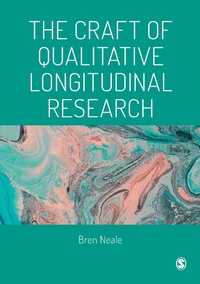
The Craft of Qualitative Longitudinal Research
The craft of researching lives through time
1st Edition
Published on 17. March 2021
456 pages
978-1-5264-5514-7 (ISBN)
Description

Brimming with life maps, life history calendars, and extracts from transcripts and diaries, this book illustrates by example the unique principles, challenges, and applications of qualitative longitudinal research.
Synthesizing current literature on qualitative longitudinal research, it brings together sociological theory and empirically driven longitudinal studies while also highlighting a range of possible research approaches. With a consistent balance of conceptual discussions with hands-on advice, it provides readers with the foundation to adapt lessons-learned from other researchers to fit their own qualitative longitudinal studies.
Supported by research tools such as conceptual road maps, short data extracts, consent forms, and other data organization tools, this book provides everything postgraduate researchers need to transition from the classroom to the field.
Synthesizing current literature on qualitative longitudinal research, it brings together sociological theory and empirically driven longitudinal studies while also highlighting a range of possible research approaches. With a consistent balance of conceptual discussions with hands-on advice, it provides readers with the foundation to adapt lessons-learned from other researchers to fit their own qualitative longitudinal studies.
Supported by research tools such as conceptual road maps, short data extracts, consent forms, and other data organization tools, this book provides everything postgraduate researchers need to transition from the classroom to the field.
Reviews / Votes
An engaging, timely and tremendously generous guide to qualitative longitudinal research. This book will be of great value to both readers already using this method and those new to the field. -- Julia Cook Bren is the authoritative voice of qualitative longitudinal enquiry and methods. Her accessible and engaging style is both informative and captivating and makes this text a must read. -- Anna Tarrant Written by a world-renowned scholar, this is a seminal text for qualitative longitudinal research. Bren Neale's wealth of experience, thought-provoking reflections and synthesis of other key studies, provides an accessible, comprehensive and timely guide for researchers, students and teachers. -- Susie Weller Exploring social life over time opens up exciting research possibilities, Bren Neale provides a lucid and insightful guide to all aspects of qualitative longitudinal research. This engaging, informative, and readable book is gold standard. Highly recommended. -- Jane Millar A sensitive and thorough examination of qualitative longitudinal research, Neale's volume presents the rewards, challenges, and ethical demands of researching lives and communities through time. She sets out the history and value of QL, offers a clear discussion of the necessary craft and commitment to collaboration and shared authority, and provides examples of cases that illustrate themes and strategies. A superb and authoritative history and guide. -- Anya Peterson RoyceMore details
Edition
1. Auflage
Language
English
Place of publication
London
United Kingdom
Target group
College/higher education
Product notice
Reflowable
ISBN-13
978-1-5264-5514-7 (9781526455147)
Copyright in bibliographic data and cover images is held by Nielsen Book Services Limited or by the publishers or by their respective licensors: all rights reserved.
Schweitzer Classification
Other editions
Additional editions
Bren Neale
The Craft of Qualitative Longitudinal Research
The craft of researching lives through time
Book
04/2021
1st Edition
SAGE Publications Ltd
€86.80
Shipment within 15-20 days
Bren Neale
The Craft of Qualitative Longitudinal Research
The craft of researching lives through time
Book
04/2021
1st Edition
SAGE Publications Ltd
€154.40
Shipment within 15-20 days
Person
Bren Neale is Emeritus Professor of Life Course and Family Research at the University of Leeds, UK, and a Fellow of the Academy of Social Sciences. She was the director of the ESRC-funded Timescapes Study from 2007 to 2012. She has contributed to advances in Qualitative Longitudinal methods across academia, government and the voluntary sector, both in the UK and internationally, and continues to provide training and support in this methodology for new and established researchers.
Content
Part One: Introducing Qualitative Longitudinal Research
Chapter 1: Qualitative Longitudinal Research: Mapping the field
Chapter 2: Time and the Processual Turn: Fluid Enquiry
Chapter 3. Time and the Life Course
Part Two: Crafting Qualitative Longitudinal Research
Chapter 4: Design and Sampling in Qualitative Longitudinal Research
Chapter 5: Longitudinal Ethics: Walking Alongside
Chapter 6: Generating Qualitative Longitudinal Data
Part Three: Journeys with Data
Chapter 7: Managing Qualitative Longitudinal Data: Ethics and Practicalities
Chapter 8: Working with Legacy Data
Chapter 9: Qualitative Longitudinal Analysis: Basic Strategies
Chapter 10: Cases and Themes in Qualitative Longitudinal Analysis
Chapter 11: Process and Synthesis in Qualitative Longitudinal Analysis
Conclusion
Chapter 12: Looking Back, Looking Forward
Chapter 1: Qualitative Longitudinal Research: Mapping the field
Chapter 2: Time and the Processual Turn: Fluid Enquiry
Chapter 3. Time and the Life Course
Part Two: Crafting Qualitative Longitudinal Research
Chapter 4: Design and Sampling in Qualitative Longitudinal Research
Chapter 5: Longitudinal Ethics: Walking Alongside
Chapter 6: Generating Qualitative Longitudinal Data
Part Three: Journeys with Data
Chapter 7: Managing Qualitative Longitudinal Data: Ethics and Practicalities
Chapter 8: Working with Legacy Data
Chapter 9: Qualitative Longitudinal Analysis: Basic Strategies
Chapter 10: Cases and Themes in Qualitative Longitudinal Analysis
Chapter 11: Process and Synthesis in Qualitative Longitudinal Analysis
Conclusion
Chapter 12: Looking Back, Looking Forward
