

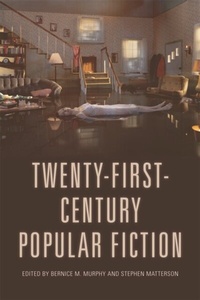
Twenty-First-Century Popular Fiction
Description

Provides a unique snapshot of themes and trends within popular fiction in the twenty-first century
This groundbreaking collection captures the state of popular fiction in present day. It features twenty new essays on key authors associated with a wide range of genres and sub-genres, providing chapter-length discussions of major post-2000 works of contemporary popular fiction. The lively, accessible and academically rigorous essays presented here cover a wider range of established popular fiction genres such as fantasy, horror and the romance, as well as more niche areas such as Domestic Noir, Steampunk, the New Weird, Nordic Noir and Zombie Lit. The collection will primarily appeal to undergraduate and postgraduate students but general readers may also find the focus on many of today's most prominent and influential authors to be of interest.
Key Features
- Provides students with a timely and accessible overview of current trends within contemporary popular fiction
- Includes timely reassessments of recent fiction by established figures such as Stephen King, George R.R. Martin, Larry McMurtry, Neil Gaiman, J.K. Rowling, Jodi Picoult, China Miéville, Grant Morrison, Terry Pratchett and Nora Roberts as well as consideration of authors who have emerged more recently, amongst them Stephenie Meyer, Gillian Flynn, E.L. James, Hugh Howey, Cherie Priest, and Max Brooks
- Includes supplementary material such recommended further reading at the end of each chapter
More details
Other editions
Additional editions
Content
- Cover
- Title page
- Contents
- Acknowledgements
- Introduction: 'Changing the Story' - Popular Fiction Today
- Bernice M. Murphy and Stephen Matterson
- 1. Larry McMurtry's Vanishing Breeds
- Stephen Matterson
- 2. 'Time to Open the Door': Stephen King's Legacy
- Rebecca Janicker
- 3. Terry Pratchett: Mostly Human
- Jim Shanahan
- 4. From Westeros to HBO: George R. R. Martin and the Mainstreaming of Fantasy
- Gerard Hynes
- 5. Nora Roberts: The Power of Love
- Jarlath Killeen
- 6. The King of Stories: Neil Gaiman's Twenty-First-Century Fiction
- Tara Prescott
- 7. Jo Nesbø: Murder in the Folkhemmet
- Clare Clarke
- 8. 'It's a Trap! Don't Turn the Page': Metafiction and the Multiverse in the Comics of Grant Morrison
- Kate Roddy
- 9. Panoptic and Synoptic Surveillance in Suzanne Collins's Hunger Games Series
- Keith O'Sullivan
- 10. E. L. James and the Fifty Shades Phenomenon
- Dara Downey
- 11. Fact, Fiction, Fabrication: The Popular Appeal of Dan Brown's Global Bestsellers
- Ian Kinane
- 12. 'I Need to Disillusion You': J. K. Rowling and Twenty-First-Century Young Adult Fantasy
- Kate Harvey
- 13. Jodi Picoult: Good Grief
- Clare Hayes-Brady
- 14. 'We Will Have a Happy Marriage If It Kills Him': Gillian Flynn and the Rise of Domestic Noir
- Bernice M. Murphy
- 15. 'The Bastard Zone': China Miéville, Perdido Street Station and the New Weird
- Kirsten Tranter
- 16. Sparkly Vampires and Shimmering Aliens: The Paranormal Romance of Stephenie Meyer
- Hannah Priest
- 17. 'We Needed to Get a Lot of White Collars Dirty': Apocalypse as Opportunity in Max Brooks's World War Z (2006)
- Bernice M. Murphy
- 18. Genre and Uncertainty in Tana French's Dublin Murder Squad Mysteries
- Brian Cliff
- 19. 'You Get What You Ask For': Hugh Howey, Science Fiction and Authorial Agency
- Stephen Kenneally
- 20. Cherie Priest: At the Intersection of History and Technology
- Catherine Siemann
- About the Contributors
- Index
