

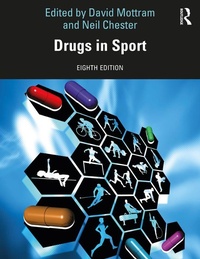
Drugs in Sport
8th Edition
Published on 24. January 2022
504 pages
978-1-000-52952-4 (ISBN)
Description

Drugs in Sport is the most comprehensive and accurate text on the emotive, complex and critical subject of performance enhancement and doping within sport. Thoroughly updated in light of the latest World Anti-Doping Code and taking into account the latest regulations, procedures and landmark cases, this 8th edition explores the science behind drug use in sport, as well as its ethical, social, political and administrative context.
Introducing an increased focus on athletes with specific needs and on corrupt doping practices, the book covers key topics including:
- an evaluation of the prevalence of doping in sport;
- the latest doping control regulations stipulated by the World Anti-Doping Agency (WADA);
- the science and side effects of each major class of drug used in sport;
- cutting-edge issues such as drug use by transgender athletes;
- medical and anti-doping considerations for athletes with an impairment;
- governance and corruption in sport including institutionalised doping;
- issues surrounding sport nutrition and supplement use in sport;
- medical and pharmaceutical services at major sporting events.
Accessibly written, and supported throughout with illustrative case studies and data, Drugs in Sport provides a crucial and objective resource for students and researchers, athletes, sports scientists, coaches and athlete-support staff, journalists, sports administrators and policymakers, alike.
Introducing an increased focus on athletes with specific needs and on corrupt doping practices, the book covers key topics including:
- an evaluation of the prevalence of doping in sport;
- the latest doping control regulations stipulated by the World Anti-Doping Agency (WADA);
- the science and side effects of each major class of drug used in sport;
- cutting-edge issues such as drug use by transgender athletes;
- medical and anti-doping considerations for athletes with an impairment;
- governance and corruption in sport including institutionalised doping;
- issues surrounding sport nutrition and supplement use in sport;
- medical and pharmaceutical services at major sporting events.
Accessibly written, and supported throughout with illustrative case studies and data, Drugs in Sport provides a crucial and objective resource for students and researchers, athletes, sports scientists, coaches and athlete-support staff, journalists, sports administrators and policymakers, alike.
More details
Edition
8th edition
Language
English
Place of publication
London
United Kingdom
Publishing group
Taylor & Francis Ltd
Target group
College/higher education
Illustrations
80 Tables, black and white; 26 Line drawings, black and white; 1 Halftones, black and white; 27 Illustrations, black and white
ISBN-13
978-1-000-52952-4 (9781000529524)
Copyright in bibliographic data and cover images is held by Nielsen Book Services Limited or by the publishers or by their respective licensors: all rights reserved.
Schweitzer Classification
Other editions
Additional editions
David R. Mottram | David Mottram | Neil Chester
Drugs in Sport
Book
01/2022
8th Edition
Routledge
€208.20
Shipment within 15-20 days
David R. Mottram | David Mottram | Neil Chester
Drugs in Sport
Book
01/2022
8th Edition
Routledge
€87.40
Shipment within 15-20 days
Persons
David Mottram is Emeritus Professor of Pharmacy at Liverpool John Moores University, UK. He was a member of the organising committee for pharmacy services for the London 2012 Olympic and Paralympic Games, and part of the medical services team at the Rio 2016 Olympic Games. David is currently providing education and training programmes on drug use in sport and on doping control for the International Olympic Committee (IOC), the World Anti-Doping Agency (WADA) and the International Testing Agency (ITA).
Neil Chester is Senior Lecturer in Sport and Exercise Sciences at Liverpool John Moores University, UK. His teaching commitments are in exercise physiology with a particular focus in sports nutrition, supplementation, drug use and anti-doping in addition to research ethics and ethics in sport and professional practice. Neil works closely with UK Anti-Doping in a research, consultancy and testing capacity and is a member of the British Association for Sport and Exercise Sciences Integrity Advisory Group and Clean Sport Interest Group.
Neil Chester is Senior Lecturer in Sport and Exercise Sciences at Liverpool John Moores University, UK. His teaching commitments are in exercise physiology with a particular focus in sports nutrition, supplementation, drug use and anti-doping in addition to research ethics and ethics in sport and professional practice. Neil works closely with UK Anti-Doping in a research, consultancy and testing capacity and is a member of the British Association for Sport and Exercise Sciences Integrity Advisory Group and Clean Sport Interest Group.
Content
Section 1: The Context and Regulation of Drug Use in Sport
1. Drugs and their Use in Sport
2. The Evolution of Doping and Anti-doping in Sport
3. Prevalence of Doping in Sport
4. Regulation of Anti-doping in Sport - International and National Operational Frameworks
5. Doping Control in Sport
6. The Role of Athlete Support Personnel in Drug Use in Sport
7. Medical and Pharmacy Services for International Games
Section 2: Substances and Methods Used and Misused in Sport
8. Anabolic Agents
9. Peptide Hormones, Growth Factors, Related Substances and Mimetics
10. Beta-2 Agonists
11. Hormone and Metabolic Modulators
12. Diuretics and Masking Agents
13. Manipulation of Blood and Blood Components
14. Chemical and Physical Manipulation
15. The potential for gene and cell doping in sport
16. Stimulants
17. Caffeine
18. Cannabinoids
19. Glucocorticoids
20. Narcotics
21. Non-narcotic analgesics and Non-steroidal Anti-inflammatory Drugs
22. Beta Blockers
23. Alcohol
24. Sports Nutrition, Supplements and Herbal Preparations
Section 3: Evolving Issues Concerning Drug Use in Sport
25. Drug Use in Society and the Potential Impact on the Anti-doping Movement
26: Inadvertent Use of Prohibited Substances in Sport
27. Hormonal Treatments for Transgender Athletes and Athletes with a
Difference of Sex Development
28. Medical and Anti-doping Consideration for Athletes with Disability
29. Governance and Corruption in Sport with Respect to Doping
1. Drugs and their Use in Sport
2. The Evolution of Doping and Anti-doping in Sport
3. Prevalence of Doping in Sport
4. Regulation of Anti-doping in Sport - International and National Operational Frameworks
5. Doping Control in Sport
6. The Role of Athlete Support Personnel in Drug Use in Sport
7. Medical and Pharmacy Services for International Games
Section 2: Substances and Methods Used and Misused in Sport
8. Anabolic Agents
9. Peptide Hormones, Growth Factors, Related Substances and Mimetics
10. Beta-2 Agonists
11. Hormone and Metabolic Modulators
12. Diuretics and Masking Agents
13. Manipulation of Blood and Blood Components
14. Chemical and Physical Manipulation
15. The potential for gene and cell doping in sport
16. Stimulants
17. Caffeine
18. Cannabinoids
19. Glucocorticoids
20. Narcotics
21. Non-narcotic analgesics and Non-steroidal Anti-inflammatory Drugs
22. Beta Blockers
23. Alcohol
24. Sports Nutrition, Supplements and Herbal Preparations
Section 3: Evolving Issues Concerning Drug Use in Sport
25. Drug Use in Society and the Potential Impact on the Anti-doping Movement
26: Inadvertent Use of Prohibited Substances in Sport
27. Hormonal Treatments for Transgender Athletes and Athletes with a
Difference of Sex Development
28. Medical and Anti-doping Consideration for Athletes with Disability
29. Governance and Corruption in Sport with Respect to Doping
