

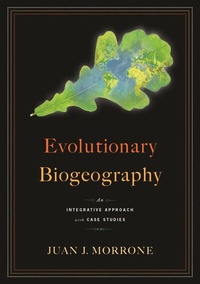
Evolutionary Biogeography
An Integrative Approach with Case Studies
1st Edition
Published on 26. December 2008
304 pages
978-0-231-51283-1 (ISBN)
Description

Rather than favoring only one approach, Juan J. Morrone proposes a comprehensive treatment of the developments and theories of evolutionary biogeography. Evolutionary biogeography uses distributional, phylogenetic, molecular, and fossil data to assess the historical changes that have produced current biotic patterns. Panbiogeography, parsimony analysis of endemicity, cladistic biogeography, and phylogeography are the four recent and most common approaches. Many conceive of these methods as representing different "schools," but Morrone shows how each addresses different questions in the various steps of an evolutionary biogeographical analysis.
Panbiogeography and parsimony analysis of endemicity are useful for identifying biotic components or areas of endemism. Cladistic biogeography uses phylogenetic data to determine the relationships between these biotic components. Further information on fossils, phylogeographic patterns, and molecular clocks can be incorporated to identify different cenocrons. Finally, available geological knowledge can help construct a geobiotic scenario that may explain how analyzed areas were put into contact and how the biotic components and cenocrons inhabiting them evolved. Morrone compares these methods and employs case studies to make it clear which is best for the question at hand. Set problems, discussion sections, and glossaries further enhance classroom use.
Panbiogeography and parsimony analysis of endemicity are useful for identifying biotic components or areas of endemism. Cladistic biogeography uses phylogenetic data to determine the relationships between these biotic components. Further information on fossils, phylogeographic patterns, and molecular clocks can be incorporated to identify different cenocrons. Finally, available geological knowledge can help construct a geobiotic scenario that may explain how analyzed areas were put into contact and how the biotic components and cenocrons inhabiting them evolved. Morrone compares these methods and employs case studies to make it clear which is best for the question at hand. Set problems, discussion sections, and glossaries further enhance classroom use.
All prices
More details
Other editions
Additional editions
Book
12/2008
Columbia University Press
€76.86
Shipment within 10-20 days
Person
Juan J. Morrone is professor of biogeography, systematics, and comparative biology at the Facultad de Ciencias, Universidad Nacional Autónoma de México (UNAM), Mexico City. He is the author, coauthor, editor, or coeditor of twenty-one books and two hundred scientific papers on biogeography, systematics, biodiversity, and evolution.
Content
Preface
Chapter 1. INTRODUCING EVOLUTIONARY BIOGEOGRAPHY
What is evolutionary biogeography
Step 1: Identification of biotic components
Step 2: Testing relationships among biotic components
Step 3: Regionalization
Step 4: Identification of cenocrons
Step 5: Construction of a geobiotic scenario
How to read this book
Chapter 2. BASIC CONCEPTS
Biogeography
Ecological and historical biogeography
Hierarchies and scales in biogeography
Biogeographic patterns
Biogeographic processes
Biotic components and cenocrons
Prediction/ retrodiction
Biogeographic approaches and methods
Evolutionary biogeography
Major references
For discussion
Glossary
Chapter 3. A BRIEF HISTORY OF EVOLUTIONARY BIOGEOGRAPHY
The beginnings of biogeography
Classical biogeography
Darwinian biogeography
Extensionists and other unorthodox biogeographers
The New York school of zoogeography
Centers of origin
Phylogenetic biogeography
Panbiogeography
Refuge theory
Cladistic biogeography
Panbiogeographers versus cladistic biogeographers
Cenogenesis, cenocrons and horofaunas
Taxon pulses
Phylogeography
Conclusions
Major references
For discussion
Glossary
Chapter 4. IDENTIFICATION OF BIOTIC COMPONENTS
Biotic components
Panbiogeography
Individual tracks
Generalized tracks
Nodes
Areas of endemism
Methods
Minimum-spanning tree method
Case study 4.1: Biogeography and evolution of North American cave Collembola
Case study 4.2: Distributional patterns of Mexican marine mammals
Track compatibility
Case study 4.3: Biogeography of the Subantarctic islands
Case study 4.4: Biogeography of the Sierra de Chiribiquete (Colombia)
Parsimony analysis of endemicity (PAE)
Case study 4.5: Biogeography of the Mexican cloud forests
Case study 4.6: Distribution of butterflies in the Western Palearctic
Endemicity analysis
Case study 4.7: Areas of endemism in southern South America
Evaluation of the methods
Major references
Problems
For discussion
Glossary
Chapter 5. TESTING RELATIONSHIPS AMONG BIOTIC COMPONENTS
Cladistic biogeography
Taxon-area cladograms
Resolved area cladograms
General area cladograms
Methods
Component analysis
Case study 5.1: Cladistic biogeography of Central Chile
Brooks parsimony analysis (BPA)
Case study 5.2: Cladistic biogeography of afromontane spiders
Case study 5.3: Biogeographic history of the North American warm desert biota
Three area statement analysis
Case study 5.4: Cladistic biogeography of the "blue ash" eucalypts
Tree reconciliation analysis
Case study 5.5: Biogeography of South American assassin bugs (Hemiptera)
Case study 5.6: Biogeography of plant and animal taxa in the Southern Hemisphere
Paralogy-free subtree analysis
Case study 5.7: Biogeography of the Northern Andes
Case study 5.8: Biogeography of Rhododendron section Vireya in the Malesian Archipelago
Dispersal-vicariance analysis
Case study 5.9: Historical biogeography of the Subantarctic subregion
Area cladistics
Case study 5.10: Cladistic biogeography of the Hawaiian islands
Phylogenetic analysis for comparing trees (PACT)
Case study 5.11: Dispersal of hominines in the Old World
Evaluation and classification of the methods
Major references
Problems
For discussion
Glossary
Chapter 6. REGIONALIZATION
Biogeographical classification
Realms, regions and transition zones
Regionalization of the world
Case study 6.1: Regionalization of Latin America
Major references
Problems
For discussion
Glossary
Chapter 7. IDENTIFICATION OF CENOCRONS
Time-slicing
Methods
Temporally partitioned component analysis (TPCA)
Case study 7.1: Dinosaurian biogeography
Intraspecific phylogeography
Case study 7.2: Phylogeography of red deers in Eurasia
Case study 7.3: Phylogeographic predictions of a weevil species of the Canary Islands
Molecular clocks
Case study 7.4: The Mediterranean Lago Mare theory and the speciation of European freshwater fishes
Case study 7.5: The arrival of caviomorph rodents and platyrrhine primates in South America
Major references
Problems
For discussion
Glossary
Chapter 8. CONSTRUCTION OF A GEOBIOTIC SCENARIO
Geographic features
Plate tectonics
Major references
For discussion
Glossary
Chapter 9. TOWARD AN INTEGRATIVE BIOGEOGRAPHY
Major references
For discussion
REFERENCES
Chapter 1. INTRODUCING EVOLUTIONARY BIOGEOGRAPHY
What is evolutionary biogeography
Step 1: Identification of biotic components
Step 2: Testing relationships among biotic components
Step 3: Regionalization
Step 4: Identification of cenocrons
Step 5: Construction of a geobiotic scenario
How to read this book
Chapter 2. BASIC CONCEPTS
Biogeography
Ecological and historical biogeography
Hierarchies and scales in biogeography
Biogeographic patterns
Biogeographic processes
Biotic components and cenocrons
Prediction/ retrodiction
Biogeographic approaches and methods
Evolutionary biogeography
Major references
For discussion
Glossary
Chapter 3. A BRIEF HISTORY OF EVOLUTIONARY BIOGEOGRAPHY
The beginnings of biogeography
Classical biogeography
Darwinian biogeography
Extensionists and other unorthodox biogeographers
The New York school of zoogeography
Centers of origin
Phylogenetic biogeography
Panbiogeography
Refuge theory
Cladistic biogeography
Panbiogeographers versus cladistic biogeographers
Cenogenesis, cenocrons and horofaunas
Taxon pulses
Phylogeography
Conclusions
Major references
For discussion
Glossary
Chapter 4. IDENTIFICATION OF BIOTIC COMPONENTS
Biotic components
Panbiogeography
Individual tracks
Generalized tracks
Nodes
Areas of endemism
Methods
Minimum-spanning tree method
Case study 4.1: Biogeography and evolution of North American cave Collembola
Case study 4.2: Distributional patterns of Mexican marine mammals
Track compatibility
Case study 4.3: Biogeography of the Subantarctic islands
Case study 4.4: Biogeography of the Sierra de Chiribiquete (Colombia)
Parsimony analysis of endemicity (PAE)
Case study 4.5: Biogeography of the Mexican cloud forests
Case study 4.6: Distribution of butterflies in the Western Palearctic
Endemicity analysis
Case study 4.7: Areas of endemism in southern South America
Evaluation of the methods
Major references
Problems
For discussion
Glossary
Chapter 5. TESTING RELATIONSHIPS AMONG BIOTIC COMPONENTS
Cladistic biogeography
Taxon-area cladograms
Resolved area cladograms
General area cladograms
Methods
Component analysis
Case study 5.1: Cladistic biogeography of Central Chile
Brooks parsimony analysis (BPA)
Case study 5.2: Cladistic biogeography of afromontane spiders
Case study 5.3: Biogeographic history of the North American warm desert biota
Three area statement analysis
Case study 5.4: Cladistic biogeography of the "blue ash" eucalypts
Tree reconciliation analysis
Case study 5.5: Biogeography of South American assassin bugs (Hemiptera)
Case study 5.6: Biogeography of plant and animal taxa in the Southern Hemisphere
Paralogy-free subtree analysis
Case study 5.7: Biogeography of the Northern Andes
Case study 5.8: Biogeography of Rhododendron section Vireya in the Malesian Archipelago
Dispersal-vicariance analysis
Case study 5.9: Historical biogeography of the Subantarctic subregion
Area cladistics
Case study 5.10: Cladistic biogeography of the Hawaiian islands
Phylogenetic analysis for comparing trees (PACT)
Case study 5.11: Dispersal of hominines in the Old World
Evaluation and classification of the methods
Major references
Problems
For discussion
Glossary
Chapter 6. REGIONALIZATION
Biogeographical classification
Realms, regions and transition zones
Regionalization of the world
Case study 6.1: Regionalization of Latin America
Major references
Problems
For discussion
Glossary
Chapter 7. IDENTIFICATION OF CENOCRONS
Time-slicing
Methods
Temporally partitioned component analysis (TPCA)
Case study 7.1: Dinosaurian biogeography
Intraspecific phylogeography
Case study 7.2: Phylogeography of red deers in Eurasia
Case study 7.3: Phylogeographic predictions of a weevil species of the Canary Islands
Molecular clocks
Case study 7.4: The Mediterranean Lago Mare theory and the speciation of European freshwater fishes
Case study 7.5: The arrival of caviomorph rodents and platyrrhine primates in South America
Major references
Problems
For discussion
Glossary
Chapter 8. CONSTRUCTION OF A GEOBIOTIC SCENARIO
Geographic features
Plate tectonics
Major references
For discussion
Glossary
Chapter 9. TOWARD AN INTEGRATIVE BIOGEOGRAPHY
Major references
For discussion
REFERENCES
