

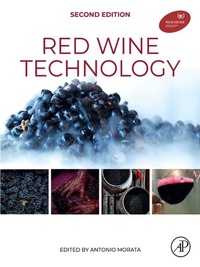
Red Wine Technology
2nd Edition
Published on 24. April 2026
550 pages
978-0-443-33915-8 (ISBN)
Description

Back in its second edition, Red Wine Technology, Second Edition continues to offer a solutions-based approach to the challenges associated with red wine production. It focuses on the technology and biotechnology of red wines and is ideal for anyone in need of a succinct reference on novel ways to increase and improve overall red wine production and innovation. This updated edition provides emerging trends in modern enology, including molecular tools for wine quality and analysis. In addition to updating existing topics, it is expanded to include a variety of completely new chapters on cutting-edge topics such as the red wine microbiome, the use of viruses in wine biotechnology, smoke taint, the future of yeast research, and environmental winery management for climate change. Red Wine Technology, Second Edition is an essential resource for wine producers, researchers, practitioners, technologists and students.
- Provides the expertise of a 2019 OIV Award winner (Category: Enology), International Organization of Vine and Wine
- Updates the previous edition content on innovative technologies for red wine pigmentation, stability, aging, fermentation, sensory qualities, and more
- Explores new topics and emerging technologies in ten new chapters, with content ranging from the red wine micribiome to winery management for climate change
- Brings together the work of nearly 100 expert contributors from around the globe
More details
Other editions
Additional editions
Antonio Morata
Red Wine Technology
Book
approx. 03/2026
2nd Edition
Academic Press
€161.50
Not yet published
Previous edition
Content
1. Grape Maturity and Selection: Automatic Grape Selection2. Viticulture management for red grape quality3. Acidification and pH Control in Red Wines4. The use of fumaric acid in red wine making5. Maceration and Fermentation: New Technologies to Increase Extraction6. Microbiome in red wines7. The use of pulsed light and ozone to facilitate the implantation of yeasts starters8. Use of Non-Saccharomyces Yeasts in Red Winemaking9.Yeast Biotechnology for Red Winemaking10. Potential future developments in (wine) yeast research11. Applications of bioprotection in red winemaking12. Malolactic Fermentation13. Yeast-Bacteria Coinoculation14. Use of viruses in wine technology15. Molecular Tools to Analyze Microbial Populations in Red Wines16. Barrel Aging; Types of Wood17. Emerging Technologies for Aging Wines: Use of Chips and Micro-Oxygenation18. New Trends in Aging on Lees19. Evolution of Proanthocyanidins During Grape Maturation, Winemaking, and Aging Process of Red Wines20. Wine Color Evolution and Stability21. Polymeric Pigments in Red Wines22. Spoilage Yeasts in Red Wines23. Red Wine Clarification and Stabilization24. Sensory Analysis of Red Wines for Winemaking Purposes25. Management of Astringency in Red Wines26. Aromatic Compounds in Red Varieties27. The Instrumental Analysis of Aroma-Active Compounds for Explaining the Flavor of Red Wines28. SO2 in Wines: Rational Use and Possible Alternatives29. Red Wine Bottling and Packaging30. Smoke taint in wines31. Wine dealcoholization32. Red Winemaking in Cool Climates33. Red Winemaking in Cold Regions With Short Maturity Periods34. Environmental management of a winery in a context of global warming,
