

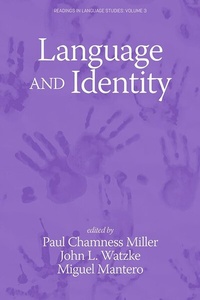
Language and Identity
1st Edition
Published on 1. January 2022
667 pages
978-1-64802-761-1 (ISBN)
Description

Language and Identity is the third volume of the Readings in Language Studies series published by the International Society for Language Studies, Inc. Edited by Paul Chamness Miller, John L. Watzke, and Miguel Mantero, volume three sustains the society's mission to organize and disseminate the work of its contributing members through peer-reviewed publications. The book presents international perspectives on language and identity in several thematic sections: discourse, culture, identity in the professions, policy, pedagogy, and the learner. A resource for scholars and students, Language and Identity, represents the latest scholarship in new and emergent areas of inquiry.
More details
Other editions
Additional editions
Paul Chamness Miller | John L. Watzke | Miguel Mantero
Language and Identity
Book
01/2022
Information Age Publishing
€91.60
Shipment within 3-4 weeks
Content
- Cover
- LANGUAGE AND IDENTITY
- Readings in Language Studies
- LANGUAGE AND IDENTITY
- Copyright
- Dedication
- CONTENTS
- INTRODUCTION
- I: LANGUAGE, IDENTITY, AND DISCOURSE
- 1: THE IMPACT OF ENGLISH ON THESAUDI WOMAN'S IDENTITY
- Introduction
- Identity
- Women as a National Symbol in Saudi Arabia
- Islamic Feminism
- Language and Culture
- Value of English
- How Has Modernization Played a Role
- Research Method
- Design
- Participants and Relationships
- Setting
- Data Sources
- Analysis
- Findings and Discussion
- The Role of English
- Conclusion
- Notes
- References
- 2: IRISH DIASPORA AND NATIONAL IDENTITY: Circulations of Public and Private Discoursein a Discourse-Historical Analysis ofThe Toronto Globe and Mail
- Methods and Methodology: The Discourse-Historical Approach and "The Circuit of Culture"
- The "Irish Question," Religious Sectarianism, and the Irish in Manitoba: Constructions of National Identities
- Dissimilation: Canadian Media, Locus Amoenus, Locus Terribilis, and Narratives of Separation from Home
- Acknowledgements
- Notes
- References
- 3: IMAGINED COMMUNITIES: Identity and English as a Global Language
- Introduction
- The Expanding Circle
- The Outer Circle
- The Inner Circle-English as a Second Language
- The Inner Circle-Identity and Foreign Language Learning
- Conclusion
- References
- 4: LANGUAGE ENVIRONMENT AND IDENTITY: The Effects of a Short-Term Return Trip Abroadon a Japanese Adolescent Double
- Returnees and Doubles
- Returnees/Doubles Concerns
- Identity Background
- Language and Identity
- Adolescence
- Method
- Research Impetus
- Participant
- Procedure
- Leia's Background
- Her Three Voices
- Her 70%-30% Split
- Explaining Through "Tension"
- Discussion
- References
- 5: CONSTRUCTING "THEM" FROM"THEIR" PERSPECTIVE: The Discursive Image of Latinos Created by Latino Authors
- Introduction
- Theoretical Background
- Ideology and Power in Marketing
- Research Questions
- Data Collection and Methodology
- Critical Discourse Analysis: "1200 People Fired in Raid in Twin Cities"
- Critical Discourse Analysis: "Mexico Day is Celebrated Successfully in Minnesota"
- Multimodal Discourse Analysis: Clearwater Street Chiropractic Clinic
- Multimodal Discourse Analysis: Juanes con La Cruz Roja
- Conclusions
- References
- 6: MEDIATED HUMORIN THE LEGAL SETTING: The Construction of New Identities
- Introduction
- Linguistic Power in Court
- Community of Practice: Workplace Culture and Workplace Interaction
- Institutional Talk
- Humor in the Workplace
- Pragmatic and Linguistic Aspects of Humor and Laughter
- Approaches to Irony
- Politeness Theory
- The Role of the Interpreter
- The Role of the Judge
- Mediated Humor
- The Current Study
- Participants
- Procedures
- Data Analysis
- Ironic Remarks That Convey Solidarity
- Ironic Remarks That Convey Non-Alignment
- Conclusion
- Discussion
- References
- 7: THE REPRESENTATION OF SOCIAL ACTORS AND TRANSIVITY CLAUSES IN THREE ONLINE ENGLISH BROADSHEETS IN THE PHILIPPINES
- Introduction
- Theoretical Framework
- Merits, Scope, and Limitations
- Research Design and the Corpus
- Coding and Data Analysis
- Results
- Background of the Event
- Transitivity in the News Reports
- Conclusion
- References
- Appendix A Headlines of the Three Broadsheets
- 8: LANGUAGE BROKERING IN PRACTICE: Linguistic Power, Biliteracy Events, and Family Life
- Brokering Languages and Literacies: Literature Review
- Study Background
- English and Authority: Language Brokering for Advantage
- A Biliteracy Event: Homework and Home Work
- Conclusion
- Notes
- References
- II: LANGUAGE, IDENTITY, AND CULTURE
- 9: (MIS)USE OF PRONOUNS AS INDEXOF BICULTURAL IDENTITY
- Introduction
- Language Use as Ethnic Distinctiveness
- The Corpora and Data Collection
- Analysis and Discussion
- Identity Crisis and Causes
- Identity Crisis: Plan for Identity Development
- Conclusion
- Notes
- References
- 10: IMAGINED IDENTITIES: An Examination of Self-Authorship on Facebook
- Introduction
- Review of the Literature
- Scholarship Related to SNSs
- Sociocultural Framework and SLA
- Design of the Study
- Setting and Population
- General Classroom Procedures
- Selecting an SNS for a Language Class: Why Facebook?
- Collection of the Data
- Findings and Discussion
- Limitations
- Conclusions and Recommendations for Further Research
- References
- Appendix A
- Appendix B
- 11: FROM WEST INDIAN BLACKTO AFRO-COSTA RICAN: A Socio-Historical Perspective on the Role of Language,Race and Culture in the Transition
- The Period of 1870-1930
- The Period of 1930-1950
- 1950-Present
- Conclusion
- Notes
- References
- 12: THE DEAF^WORLDAND COMPETENCE IN ASL: Identity and Language Issues
- Notes
- References
- 13: PAPIAMENTO/U: The Language That Identifiesthe People of Aruba and Curaçao
- Immigrants and Their Sense of Belonging
- Papiamento vs. Papiamentu: The Ongoing Debate
- Conclusion
- References
- 14: READING-FROM HATING TO LOVING: High School Students' Identities Honored ThroughCulturally Relevant Literature
- Beginnings of Our Community Work
- Community Context
- Framing the Inquiry
- Supporting Literature
- Officialized2 Discourse and the Language Arts Classroom
- Language and Identity
- Design and Transformation
- Research Approach
- Participants and Setting
- Positionality
- Gathering and Understanding Our Growth
- Shifting Perspectives
- Revaluing Identity, Redefining Language Competencies
- Reading as Family Activity
- Conclusions
- Notes
- Literature References
- Academic References
- 15: STAYERS AND THE LEAVERS: The Identity of S/FL Teachersat a Time of Critical Shortage
- The S/FL Teacher Shortage
- Examining Teacher Identity
- Second/Foreign Language Teacher Identity
- Theory of Vocational Personalities and Work Environments
- Self-Directed Search Inventory
- Current Research on S/FL Teacher Identity and Longevity in the Profession
- Concluding Thoughts
- References
- 16: ENGLISH AS A DOMINANT LANGUAGE:Locating Foreign Language Teaching WithinBourdieu's Framework of Capital
- Power and English
- Capital and ELT
- Method
- Participant
- Data Collection
- Data Analysis
- Findings
- Embodied Cultural Capital
- Institutionalized Cultural Capital
- Objectified Cultural Capital
- Economic Capital
- Social Capital
- Symbolic Capital
- Discussion
- Conclusion
- References
- Appendix 1: Interview Questions
- Background Information
- English
- Korean
- Drawings
- 17: IDENTITY NEGOTIATIONIN THE WORKPLACE: Shifting Between Imposed, Claimed,and Negotiable Identities
- Introduction
- The Feminization of Migrations
- Framework of the Study
- Ethnic Identity
- Identity and Language
- Language Ideologies in the US
- Linguistic, Identity, and Accent
- The Study
- The Participant
- Analysis of the Data
- Findings
- Conclusion
- Note
- References
- Appendix
- 18: CONFESSIONS OF A CULTURAL DRAG QUEEN, OR REFLECTIONS ON ACTING LIKE THE NATIVE SPEAKER IN FOREIGN LANGUAGE EDUCATION
- Playing "Spanish" to the Hilt
- Cultural Drag, or Acting like the Native Speaker
- "Acting Like" as Target and Arrow
- Troubling the "Native Speaker"
- Cultural Drag as Critical Inquiry
- A Final Confession
- References
- III: LANGUAGE, IDENTITY, AND POLICY
- 19: EXAMINING PROFESSIONAL IDENTITY DEVELOPMENT THROUGH L2 STUDENT TEACHER JOURNALS
- Introduction
- Review of Related Literature
- Professional Identity
- Dialogue Journals and Reflection
- Journal Studies in L2 Teacher Education
- The Study
- Data Sources and Participants
- Methodology
- Results
- Self Identity
- Public Identity
- Discussion
- Implications for L2 Teacher Education
- References
- 20: LANGUAGE EDUCATIONAL POLICY ANDTHE CHILDREN OF ECONOMIC MIGRANTS: Learning From the Experiencesof South American Families in Japan
- Introduction
- Findings and Discussion
- Limited Educational Choices and Resources in Japan
- Difficulties Resulting from an Assimilative Education in Japan
- The Anti-Migrant Sentiment Perceived in School-Based Bullying
- The Long-Term Negative Impact on Parent-Child Relationships
- Conclusion and Suggestions
- References
- 21: WAT IS 'N SUID-AFRIKANER?: Constructions of Identity in the New South Africa
- Notes
- References
- 22: LANGUAGE USE IN THE EDUCATION OFELEMENTARY SCHOOL CHILDRENIN KINSHASA CONGO
- Introduction
- Colonization and its Historical Overview
- Colonization
- Colonial History: Leopold
- The Belgian Congo
- Lumumba
- Congolese Rise Against Colonization
- Congo Decolonized
- Language and Education
- Kinshasa, Congo
- Colonization and Language Affect
- Missions
- Language in Education
- Lingala
- Elementary Education in Kinshasa
- Education and Society
- Lingala for the Children
- Lingala Culture and Language Loss
- Lingala Planning?
- Mother, Native Tongue Education
- Suggestions for Liberation
- Conclusion
- References
- 23: LANGUAGE RIGHTS IN THEUNITED STATES CONSTITUTION AND THECIVIL RIGHTS ACT OF 1964
- The Fourteenth Amendment (Section 1)
- The Civil Rights Act of 1964
- Title VI-Nondiscrimination in Federally Assisted Programs
- Title VII-Discrimination because of Race, Color, Religion, Sex,or National Origin
- Legislating Language Rights of Minority Languages in the US
- Acknowledgments
- References
- IV: LANGUAGE, IDENTITY, AND PEDAGOGY
- 24: RE-CONCEPTUALIZING TEACHER AND LEARNER IDENTITIES FOR A PARADIGM SHIFT TOWARDS A COSMOPOLITAN ENGLISH EDUCATION CURRICULUM
- Introduction
- The Importance of a Flexible Teacher Identity for a Cosmopolitan Education
- Learner Identity and its Curricular Implications
- Contextualizing my Students' Identities
- Hybrid Third Space for a Dialogic Cosmopolitan Curriculum
- Method and Participants
- Findings and Discussion
- Child Marriages in the Middle East
- The Palestinian-Israeli Conflict
- Female Genital Mutilation or Female Circumcision
- Polygamy
- Conclusion
- References
- 25: THE CROSSING OVER: When Vernacular Language Speakers Become Teachers of Major Languages
- Introduction
- The Jamaican Language Context
- The "Creole Problem"
- The Crux of the Matter
- Purpose
- Research Questions
- Research Design
- Setting and Participants
- Method
- Procedure
- Analysis
- Findings/Discussion
- Lecturers' Expectation and Reaction to Students' Below Par Performance
- The Students' Story
- Conclusion
- References
- 26: POWER DYNAMICS IN A MULTILINGUAL KOREAN LANGUAGE CLASSROOM AND PEDAGOGICAL IMPLICATIONS
- Introduction
- Previous Studies on Power Relations in Language and Literacy Education
- Methodology
- Practitioner Research
- Data
- Findings and Discussions
- Power Dynamics in Classroom Discourses
- Power Dynamics in Pair Work
- Pedagogical Implications
- Conclusion
- Notes
- References
- Appendix Transcription Conventions (following Giampapa [2004])
- 27: DISCOVERING CULTURAL/LINGUISTIC IDENTITIES FOR BORDERLAND PRE-SERVICE TEACHERS TO ENHANCE ACADEMIC WRITING
- Introduction
- Research Questions and Goals
- Philosophical Grounding/Theoretical Framing
- Pushing Back Against Current School Writing Policies: A Rationale
- Literature Review and Research Rationale
- Teacher Action Research: The Research Paradigm
- The Study
- Research Participants and Setting
- Implications/Reflections
- References
- 28: SHOULD THERE BE A SIXTH "C"?: Critical Pedagogy in the Foreign Language Teaching and Learning Context
- Understanding Critical Pedagogy and Critical Language Awareness
- The Transformative Potential of Critical Pedagogy in Foreign Language Education
- The Limits of Critical Pedagogy in Foreign Language Education
- Some Concluding Reflections
- Notes
- References
- V: LANGUAGE, IDENTITY, AND THE LEARNER
- 29:EXPLORING THE VALUE OF HERITAGE LANGUAGES AND CULTURES IN PUBLIC SCHOOLS IN A GLOBALIZING WORLD: The Case of Mandarin Classes in a Secondary School
- Introduction
- Heritage Languages and the Language Policy Context in British Columbia
- Heritage Language Students in International Language Classes
- Language and Culture(s) in Mandarin as a Second Language Classrooms in one School
- Data Collection
- Data Analysis
- Concluding Thoughts
- Notes
- References
- 30: SHORT-TERM STUDY ABROAD AND CULTURAL SESSIONS: Issues of L2 Development, Identity, and Socialization
- Short-Term Study Abroad
- A Drawback of Short-Term Study Abroad
- Present Study
- Participants
- The Study Abroad Program
- Cultural Sessions
- Method
- Open-Ended Interviews
- Data Analysis
- Findings
- L2 Socialization
- L2 Identity
- The Role of Food
- Discussion and Concluding Remarks
- References
- 31: A STUDY OF COMMUNICATION STRATEGIES USED BY EFL LEARNERS
- Introduction
- Literature Review
- Methods
- Participants
- Instruments
- Procedures
- Data Analysis
- Results
- Analysis of Participants' Use of EFL Communication Strategies
- Differences in EFL Communication Strategies between Proficient and Less Proficient Learners
- Differences in EFL Communication Strategies between Female and Male Learners
- Analysis of Participants' Perceptions of EFL Communication Strategies
- Discussion
- Conclusion
- References
- 32: LEARNING ENGLISH AS AFOREIGN LANGUAGE: Act of Identity or Act of Conformity?
- Introduction
- Identity and Conformity
- Data Collection Methodology
- Spoken Genres: Small Talk, Gossip and Language Play
- Small Talk
- Gossip
- Language Play
- Presentation of Results
- Small Talk
- Gossip
- Language Play
- Analysis
- Conclusions
- References
- INDEX
- ABOUT THE CONTRIBUTORS
- About the International Society for Language Studies
