

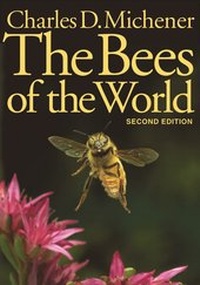
The Bees of the World
2nd Edition
Published on 26. July 2007
992 pages
978-0-8018-9220-2 (ISBN)
Description

In this extensive update of his definitive reference, Charles D. Michener reveals a diverse fauna that numbers more than 17,000 species and ranges from the common honeybee to rare bees that feed on the pollen of a single type of plant. With many new facts, reclassifications, and revisions, the second edition of The Bees of the World provides the most comprehensive treatment of the 1,200 genera and subgenera of the Apiformes. Included are hundreds of updated citations to work published since the appearance of the first edition and a new set of plates of fossil bees.
The book begins with extensive introductory sections that include bee evolution, classification of the various bee families, the coevolution of bees and flowering plants, nesting behavior, differences between solitary and social bees, and the anatomy of these amazing insects. Drawing on modern studies and evidence from the fossil record, Michener reveals what the ancestral bee-the protobee-might have looked like. He also cites the major literature on bee biology and describes the need for further research on the systematics and natural history of bees, including their importance as pollinators of crops and natural vegetation. The greater part of the work consists of an unprecedented treatment of bee systematics, with keys for identification to the subgenus level. For each genus and subgenus, Michener includes a brief natural history describing geographical range, number of species, and noteworthy information pertaining to nesting or floral biology.
The book is beautifully illustrated with more than 500 drawings and photographs that depict behavior, detailed morphology, and ecology. Accented with color plates of select bees, The Bees of the World will continue to be the world's best reference on these diverse insects.
The book begins with extensive introductory sections that include bee evolution, classification of the various bee families, the coevolution of bees and flowering plants, nesting behavior, differences between solitary and social bees, and the anatomy of these amazing insects. Drawing on modern studies and evidence from the fossil record, Michener reveals what the ancestral bee-the protobee-might have looked like. He also cites the major literature on bee biology and describes the need for further research on the systematics and natural history of bees, including their importance as pollinators of crops and natural vegetation. The greater part of the work consists of an unprecedented treatment of bee systematics, with keys for identification to the subgenus level. For each genus and subgenus, Michener includes a brief natural history describing geographical range, number of species, and noteworthy information pertaining to nesting or floral biology.
The book is beautifully illustrated with more than 500 drawings and photographs that depict behavior, detailed morphology, and ecology. Accented with color plates of select bees, The Bees of the World will continue to be the world's best reference on these diverse insects.
More details
Edition
second edition
Language
English
Place of publication
Baltimore
United States
Target group
Professional and scholarly
US School Grade: College Graduate Student
Edition type
Revised edition
Illustrations
434 s/w Zeichnungen, 40 s/w Abbildungen, 48 farbige Abbildungen
48 Illustrations, color; 40 Illustrations, black and white; 434 Line drawings, black and white
File size
26,10 MB
ISBN-13
978-0-8018-9220-2 (9780801892202)
DOI
10.56021/9780801885730
Copyright in bibliographic data and cover images is held by Nielsen Book Services Limited or by the publishers or by their respective licensors: all rights reserved.
Schweitzer Classification
Other editions
Additional editions
Charles D. Michener
The Bees of the World
Book
07/2007
2nd Edition
Johns Hopkins University Press
€190.50
Article not available for order
Previous edition

Michener
Bees of the World Ebook Eb
Book
05/2003
Johns Hopkins University Press
€176.05
Article exhausted; check for reprint
Person
Charles D. Michener is curator emeritus, Entomology Division, University of Kansas Natural History Museum and Biodiversity Research Center, and professor emeritus, Entomology Program, Department of Ecology and Evolutionary Biology, University of Kansas. His books include The Social Behavior of Bees.
Content
Preface to the Second Edition
Preface to the First Edition
Abbreviations
1. About Bees and This Book
2. What Are Bees?
3. The Importance of Bees
4. Development and Reproduction
5. Solitary versus Social Life
6. Floral Relationships of Bees
7. Nests and Food Storage
8. Parasitic amd Robber Bees
9. Body Form, Tagmata, and Sex Difference
10. Structures and Anatomical Terminology of Adults
11. Structures and Terminology of Immature Stages
12. Bees and Sphecoid Wasps as a Clase
13. Bees as a Monophyletic Group
14. The Origins of Bees from Wasps
15. Classification of the Bee-Sphecoid Clade
16. Bee Taxa and Categories
17. Methods of Classification
18. The History of Bee Classificatinos
19. Short-Tongued versus Long-Tongued Bees
20. Family-Level Phylogeny and the Proto-Bee
21. The Higher Classification of Bees
22. Fossil Bees
23. The Geological History of Bees
24. Diversity and Abundance
25. Disperal
26. Biogeography
27. Reduction or Loss of Structures
28. New and Modified Structures
29. Family-Group Names
30. Explanation of Taxonomic Accounts in Sections 36 to 121
31. Some Problematic Taxa
32. The Identification of Bees
33. Key to the Families, Based on Adults
34. Notes on Certain Couplets in the Key to Families (Section 33)
35. Practical Key to Family-Group Taxa, Based on Females
36. Family Stenotritidae
37. Family Colletidae
38. Subfamily Colletinae
39. Tribe Paracolletini
40. Tribe Colletini
41. Tribe Scraptrini
42. Subfamily Diphaglossinae
43. Tribe Caupolicanini
44. Tribe Diphaglossini
45. Tribe Dissoglottini
46. Subfamily Xeromelissinae
47. Subfamily Hylaeinae
48. Subfamily Euryglossinae
49. Family Andrenidae
50. Subfamily Alocandreninae
51. Subfamily Andreninae
52. Subfamily Panurginae
53. Tribe Protandrenini
54. Tribe Panurgini
55. Tribe Nolanomelissini
56. Tribe Melitturgini
57. Tribe Protomeliturgini
58. Tribe Perditini
59. Tribe Calliopsini
60. Subfamily Oxaeinae
61. Family Halictidae
62. Subfamily Rophitinae
63. Subfamily Nomiinae
64. Subfamily Nomioidinae
65. Subfamily Halictinae
66. Tribe Halictini
67. Tribe Augochlorini
68. Family Melittidae
69. Subfamily Dasypodainae
70. Tribe Dasypodaini
71. Tribe Promelittini
72. Tribe Sambini
73. Subfamily Meganomiinae
74. Subfamily Melittinae
75. Family Megachilidae
76. Subfamily Fideliinae
77. Tribe Pararhophitini
78. Tribe Fideliini
79. Subfamily Megachilinae
80. Tribe Lithurgini
81. Tribe Osmiini
82. Tribe Anthidiini
83. Tribe Dioxyini
84. Tribe Megachilini
85. Family Apidae
86. Subfamily Xylocopinae
87. Tribe Manueliini
88. Tribe Xylocopini
89. Tribe Ceratinini
90. Tribe Allodapini
91. Subfamily Nomadinae
92. Tribe Hexepeolini
93. Tribe Brachynomadini
94. Tribe Nomadini
95. Tribe Epeolini
96. Tribe Ammobatoidini
97. Tribe Biastini
98. Tribe Townsendiellini
99. Tribe Neolarrini
100. Tribe Ammobatini
101. Tribe Caenoprosopidini
102. Subfamily Apinae
103. Tribe Isepeolini
104. Tribe Osirini
105. Tribe Protepeolini
106. Tribe Exomalopsini
107. Tribe Ancylini
108. Tribe Tapinotaspidini
109. Tribe Tetrapediini
110. Tribe Ctenoplectrini
111. Tribe Emphorini
112. Tribe Eucerini
113. Tribe Anthophorini
114. Tribe Centridini
115. Tribe Rhathymini
116. Tribe Ericrocidini
117. Tribe Melectini
118. Tribe Euglossini
119. Tribe Bombini
120. Tribe Meliponini
121. Tribe Apini
Literature Cited
Addenda
Index of Terms
Index of Taxa
Preface to the First Edition
Abbreviations
1. About Bees and This Book
2. What Are Bees?
3. The Importance of Bees
4. Development and Reproduction
5. Solitary versus Social Life
6. Floral Relationships of Bees
7. Nests and Food Storage
8. Parasitic amd Robber Bees
9. Body Form, Tagmata, and Sex Difference
10. Structures and Anatomical Terminology of Adults
11. Structures and Terminology of Immature Stages
12. Bees and Sphecoid Wasps as a Clase
13. Bees as a Monophyletic Group
14. The Origins of Bees from Wasps
15. Classification of the Bee-Sphecoid Clade
16. Bee Taxa and Categories
17. Methods of Classification
18. The History of Bee Classificatinos
19. Short-Tongued versus Long-Tongued Bees
20. Family-Level Phylogeny and the Proto-Bee
21. The Higher Classification of Bees
22. Fossil Bees
23. The Geological History of Bees
24. Diversity and Abundance
25. Disperal
26. Biogeography
27. Reduction or Loss of Structures
28. New and Modified Structures
29. Family-Group Names
30. Explanation of Taxonomic Accounts in Sections 36 to 121
31. Some Problematic Taxa
32. The Identification of Bees
33. Key to the Families, Based on Adults
34. Notes on Certain Couplets in the Key to Families (Section 33)
35. Practical Key to Family-Group Taxa, Based on Females
36. Family Stenotritidae
37. Family Colletidae
38. Subfamily Colletinae
39. Tribe Paracolletini
40. Tribe Colletini
41. Tribe Scraptrini
42. Subfamily Diphaglossinae
43. Tribe Caupolicanini
44. Tribe Diphaglossini
45. Tribe Dissoglottini
46. Subfamily Xeromelissinae
47. Subfamily Hylaeinae
48. Subfamily Euryglossinae
49. Family Andrenidae
50. Subfamily Alocandreninae
51. Subfamily Andreninae
52. Subfamily Panurginae
53. Tribe Protandrenini
54. Tribe Panurgini
55. Tribe Nolanomelissini
56. Tribe Melitturgini
57. Tribe Protomeliturgini
58. Tribe Perditini
59. Tribe Calliopsini
60. Subfamily Oxaeinae
61. Family Halictidae
62. Subfamily Rophitinae
63. Subfamily Nomiinae
64. Subfamily Nomioidinae
65. Subfamily Halictinae
66. Tribe Halictini
67. Tribe Augochlorini
68. Family Melittidae
69. Subfamily Dasypodainae
70. Tribe Dasypodaini
71. Tribe Promelittini
72. Tribe Sambini
73. Subfamily Meganomiinae
74. Subfamily Melittinae
75. Family Megachilidae
76. Subfamily Fideliinae
77. Tribe Pararhophitini
78. Tribe Fideliini
79. Subfamily Megachilinae
80. Tribe Lithurgini
81. Tribe Osmiini
82. Tribe Anthidiini
83. Tribe Dioxyini
84. Tribe Megachilini
85. Family Apidae
86. Subfamily Xylocopinae
87. Tribe Manueliini
88. Tribe Xylocopini
89. Tribe Ceratinini
90. Tribe Allodapini
91. Subfamily Nomadinae
92. Tribe Hexepeolini
93. Tribe Brachynomadini
94. Tribe Nomadini
95. Tribe Epeolini
96. Tribe Ammobatoidini
97. Tribe Biastini
98. Tribe Townsendiellini
99. Tribe Neolarrini
100. Tribe Ammobatini
101. Tribe Caenoprosopidini
102. Subfamily Apinae
103. Tribe Isepeolini
104. Tribe Osirini
105. Tribe Protepeolini
106. Tribe Exomalopsini
107. Tribe Ancylini
108. Tribe Tapinotaspidini
109. Tribe Tetrapediini
110. Tribe Ctenoplectrini
111. Tribe Emphorini
112. Tribe Eucerini
113. Tribe Anthophorini
114. Tribe Centridini
115. Tribe Rhathymini
116. Tribe Ericrocidini
117. Tribe Melectini
118. Tribe Euglossini
119. Tribe Bombini
120. Tribe Meliponini
121. Tribe Apini
Literature Cited
Addenda
Index of Terms
Index of Taxa
