

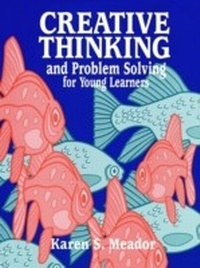
Creative Thinking and Problem Solving for Young Learners
1st Edition
Published on 15. November 1997
157 pages
978-0-313-07940-5 (ISBN)
Description

Can creativity be taught? Absolutely! And Meador shows you exactly how to nourish creativity and problem-solving abilities in your students. After presenting valid models of creative thinkers appearing in outstanding children's literature, she offers a variety of activities you can use to develop creative processes through fluency, flexibility, and originality. In addition, there are lists for further reading and guidelines for adapting lessons. Grades K-4 (adaptable to other grades).
More details
Series
Edition
1. Auflage
Language
English
Place of publication
New York
United States
Publishing group
Bloomsbury Publishing Plc
ISBN-13
978-0-313-07940-5 (9780313079405)
Copyright in bibliographic data and cover images is held by Nielsen Book Services Limited or by the publishers or by their respective licensors: all rights reserved.
Schweitzer Classification
Other editions
Additional editions
Jerry D. Flack | Karen Meador
Creative Thinking and Problem Solving for Young Learners
Book
11/1997
Libraries Unlimited Inc
€34.80
Shipment within 3-4 weeks
Person
Karen Meador
Content
- Intro
- Contents
- Foreword
- Preface
- Acknowledgments
- Introduction
- 1-FLUENCY
- Definition and Explanation
- Role of Divergent Questions
- Importance of Fluency
- Examples of Fluency
- Adults
- Children
- Brainstorming
- Ways to Brainstorm
- SCAMPER
- Summary
- Problem Solving with Miss Tizzy
- Lesson Capsule
- Lesson Objectives
- Procedures
- Closure and Final Evaluation
- Personalizing the Lesson
- Related Literature
- Saving the Trees: A Lesson in Humanity
- Lesson Capsule
- Lesson Objectives
- Procedures
- Creative Movement or Actions
- Original Songs
- Closure and Evaluation
- Personalizing the Lesson
- Related Literature
- Additional Activity for Developing Fluency
- Rhyme Storms
- Additional Nursery Rhymes for Rhyme Storms
- Additional Books in Which Characters Are Fluent
- Things to Brainstorm: Spur-of-the-Moment Ideas
- General
- Language Arts
- Math-Science
- Social Studies
- 2-FLEXIBILITY
- Definition and Explanation
- Importance of Flexibility
- Examples of Flexibility
- Classroom Activities
- Summary
- Seeing the Light
- Lesson Capsule
- Lesson Objectives
- Procedures
- Closure
- Evaluation
- Personalizing the Lesson
- Related Literature
- Book Selections Containing Various Dialects, Languages, or Customs
- Planning a New Kind of Garden
- Lesson Capsule
- Lesson Objectives
- Procedures
- Closure and Evaluation
- Personalizing the Lesson
- Related Literature
- Books Are for Reading
- Lesson Capsule
- Lesson Objectives
- Procedures
- Closure
- Personalizing the Lesson
- Related Literature
- Additional Books in Which Characters or Words Show Flexibility
- Additional Lesson for Practicing Flexibility
- Books and Activities That Elicit Flexible Thinking
- Short Activity
- 3-ORIGINALITY
- Definition and Explanation
- Importance of Originality
- Examples of Originality
- Adults
- Children
- Historical
- Summary
- Inventing with UGH
- Lesson Capsule
- Lesson Objectives
- Procedures
- Closure
- Personalizing the Lesson
- Related Literature
- Strange Friendships
- Lesson Capsule
- Lesson Objectives
- Procedures
- Closure and Evaluation
- Personalizing the Lesson
- Related Literature
- Additional Books in Which Characters Depict Originality
- Additional Lesson for Practicing Originality
- Help Catch the Gingerbread Man
- Lesson Capsule
- Lesson Objectives
- Procedures-Activity Segment A
- Activity Segment B
- Activity Segment C
- Closure and Evaluation
- Personalizing the Lesson
- Related Literature
- 4-ELABORATION
- Definition and Explanation
- Importance of Elaboration
- Examples of Elaboration
- Summary
- Our Town
- Lesson Capsule
- Lesson Objectives
- Procedures
- Closure
- Personalizing the Lesson
- Related Literature
- Imagination Station
- Lesson Capsule
- Lesson Objectives
- Procedures
- Closure
- Optional Writing Extension
- Personalizing the Lesson
- Related Literature
- A Way to Remember
- Lesson Capsule
- Lesson Objectives
- Procedures
- Closure
- Personalizing the Lesson
- Additional Activities for Developing Elaboration
- Another Way to Say
- Another Way to Draw
- Additional Books for Developing Elaboration
- 5-PROBLEM SOLVING
- Definition, Explanation, and Importance of Problem Solving
- Higher-Level Thinking Skills
- Critical Thinking
- Goals of Thinking
- Types of Problems
- Problem-Solving Techniques
- Use of Children's Literature for Problem Solving
- Questioning Strategies
- Summary
- Saving the Birds
- Lesson Capsule
- Lesson Objectives
- Procedures
- Closure
- Personalizing the Lesson
- Related Literature
- Duck Safe
- Lesson Capsule
- Lesson Objectives
- Procedures
- Closure
- Personalizing the Lesson
- Related Literature
- Crazy Stories
- Lesson Capsule
- Lesson Objectives
- Procedures
- Closure
- Additional Books in Which Characters Solve Problems
- 6-CHARACTERISTICS OF CREATIVE PEOPLE
- Cognitive Characteristics
- Characteristics of Personality
- Is Willing to Take Risks
- Perseveres, Shows Drive and Task Commitment
- Exhibits Curiosity
- Displays Openness to Experience
- Tolerates Ambiguity
- Has Broad Interests
- Values Originality
- Exhibits Intuition and Deep Emotions
- Is Internally Occupied, Withdrawn
- Imagination
- Social Skills of Creative Individuals
- Creativity in Science
- Value of Knowledge
- Summary
- Risking It All
- Lesson Capsule
- Lesson Objectives
- Procedures
- Closure
- Related Literature
- Being Different
- Lesson Capsule
- Lesson Objectives
- Procedures
- Closure
- Personalizing the Lesson
- Related Literature
- Related Literature Selections About Being Different
- Take a Risk
- Lesson Capsule
- Lesson Objective
- Procedures
- Closure
- Personalizing the Lesson
- Related Literature
- Additional Books in Which Characters Display Creative Characteristics
- Literature Selections in Which Characters Use Their Imagination
- 7-SYNERGY
- Definition and Explanation
- Implementation
- Content-Driven Lessons with Creative Components
- Summary
- Lessons
- Hardships of Early America
- Lesson Capsule
- Lesson Objectives
- Procedures
- Closure
- Personalizing the Lesson
- Extension
- Closure
- The "Board" Game
- Lesson Capsule
- Lesson Objectives
- Materials Needed
- Optional "Board* Rooms
- Procedures
- Personalizing the Game
- Holiday Hannah
- Lesson Capsule
- Lesson Objectives
- Procedures
- 8-LET'S TALK
- Teachers and Parents
- Personal Behaviors of Adults
- Value Creativity
- Model Effective Communication
- Like Yourself
- Words and Actions Used by Adults
- Timing
- Rewards
- Fact and Fantasy, Constructive and Destructive
- Opportunities for Development Offered by Adults
- Knowledge and Expertise
- Safe Risks
- Choices
- Time Alone
- Safe Space
- Friends
- Literature for Conceptual Understanding
- Nurture Creativity
- Resource Books and Articles for Parents and Teachers
- Summary
- Afterword
- References
- Author/Title Index
- A
- B
- C
- D
- E
- F
- G
- H
- I
- J
- K
- L
- M
- N
- O
- P
- R
- S
- T
- U
- V
- W
- Y
- Z
- Subject Index
- A
- B
- C
- D
- E
- F
- G
- H
- I
- K
- L
- M
- N
- O
- P
- Q
- R
- S
- T
- U
- V
- W
- About the Author
