

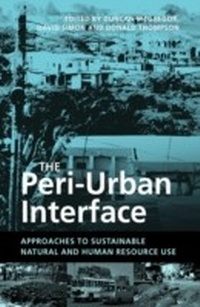
The Peri-Urban Interface
Approaches to Sustainable Natural and Human Resource Use
1st Edition
Published on 27. April 2012
272 pages
978-1-136-53607-6 (ISBN)
Description

Peri-urban interfaces - the zones where urban and rural areas meet - suffer from the greatest problems to humans caused by rapid urbanization, including intense pressures on resources, slum formation, lack of adequate services such as water and sanitation, poor planning and degradation of farmland. These areas, home to hundreds of millions of people, face unique problems and need distinctive and innovative approaches and solutions.
This book, authored by top researchers and practitioners, covers the full breadth and depth of the impacts of rapid urbanization on livelihoods, poverty and resources in the peri-urban zones in diverse African, Asian, Latin American and Caribbean contexts. Topics include peri-urban resource sustainability, ecosystems and societies and environmental changes in peri-urban zones. Rich case studies cover production systems and livelihoods including the impacts of irrigated vegetable production, horticulture, dairy enterprises, waste-fed fisheries and pastoral livelihoods. Also addressed are planning and development issues in the peri-urban interface including the difficulty in achieving sustainability, conflict and cooperation over resources, and a fresh look at the relationship between people and their environment. The final part of the book presents policies and strategies for promoting and measuring sustainability in peri-urban zones including community-based waste management, the co-management of watersheds and empowerment of the poor.
This book is the most comprehensive examination of the challenges and solutions facing the people and environments of peri-urban zones and is essential reading for all practitioners, students and academics in geography and development.
This book, authored by top researchers and practitioners, covers the full breadth and depth of the impacts of rapid urbanization on livelihoods, poverty and resources in the peri-urban zones in diverse African, Asian, Latin American and Caribbean contexts. Topics include peri-urban resource sustainability, ecosystems and societies and environmental changes in peri-urban zones. Rich case studies cover production systems and livelihoods including the impacts of irrigated vegetable production, horticulture, dairy enterprises, waste-fed fisheries and pastoral livelihoods. Also addressed are planning and development issues in the peri-urban interface including the difficulty in achieving sustainability, conflict and cooperation over resources, and a fresh look at the relationship between people and their environment. The final part of the book presents policies and strategies for promoting and measuring sustainability in peri-urban zones including community-based waste management, the co-management of watersheds and empowerment of the poor.
This book is the most comprehensive examination of the challenges and solutions facing the people and environments of peri-urban zones and is essential reading for all practitioners, students and academics in geography and development.
Reviews / Votes
'The book is a welcome addition to the small corpus of literature which addresses the nature of, problems, and planning issues associated with this type of area which now houses a significant number of the world's citizens.'Graeme Hugo, University of Adelaide, Geographical Journal, 2007.
'This is a useful collection of case studies relating to a neglected but important and rapidly growing part of global settlement systems.'
Graeme Hugo, University of Adelaide, Geographical Journal, 2007.
More details
Language
English
Place of publication
London
United Kingdom
Publishing group
Taylor & Francis Ltd
Target group
College/higher education
File size
3,11 MB
ISBN-13
978-1-136-53607-6 (9781136536076)
Copyright in bibliographic data and cover images is held by Nielsen Book Services Limited or by the publishers or by their respective licensors: all rights reserved.
Schweitzer Classification
Other editions
Additional editions
Duncan McGregor | David Simon | Donald Thompson
The Peri-Urban Interface
Approaches to Sustainable Natural and Human Resource Use
Book
12/2005
Earthscan Ltd
€72.20
Shipment within 3-4 weeks
Duncan McGregor | David Simon | Donald Thompson
The Peri-Urban Interface
Approaches to Sustainable Natural and Human Resource Use
Book
12/2005
Earthscan Ltd
€230.65
Article not available at the moment
Persons
Duncan McGregor is Senior Lecturer in Geography, David Simon is Professor of Development Geography and Donald Thompson is the Geography Department's Skills and IT Training Officer at Royal Holloway University of London, UK.
Content
Part 1 The Search for Peri-Urban Resource Sustainability * Contemporary Perspectives on the Peri-Urban Zones of Cities in Developing Countries * Peri-Urban Ecosystems and Societies: Transitional Zones and Contrasting Values * Understanding Environmental Change in the Context of Rural-Urban Interactions * Falling between Stools? Policies, Strategies and the Peri-Urban Interface *
Part 2 Production Systems at the Peri-Urban Interface * The Environmental and Social Impacts of Peri-Urban Irrigated Vegetable Production around Jos, Nigeria * Horticulture and Market Information at the Peri-Urban Interface: Agricultural Marketing in Tanzania * Livelihoods from Dairying Enterprises for the Landless in the Peri-Urban Interface around Hubli-Dharwad, India * Waste-Fed Fisheries in Peri-Urban Kolkata * Alternative Strategies in Alternative Spaces: Livelihoods of Pastoralists in the Peri-Urban Interface of Yabello, Southern Ethiopia * Sustainable Livelihoods in the Peri-Urban Interface: Anse La Raye, St Lucia * Part 3 Planning and Development of the Peri-Urban Zone * The Inevitable Illusiveness of 'Sustainability' in the Peri-Urban Interface: The Case of Harare * Peri-Urban Development in Gampaha District, Sri Lanka * The National Highway Bypass around Hubli-Dharwad and Its Impact on Peri-Urban Livelihoods * Conflict and Cooperation in Environmental Management in Peri-Urban Accra, Ghana * Re-evaluating People-Environment Relationships at the Rural-Urban Interface: How Sustainable Is the Peri-Urban Zone in Kano, Northern Nigeria? * Part 4 Strategies for Sustainable Development * Community-Based Waste Management Strategies: Peri-Urban Interface, Kumasi, Ghana * Measuring Sustainability in Peri-Urban Areas: Case Study of Mexico City * Promoting the Interests of the Poor in the Peri-Urban Interface: * A Co-Management Approach to Sustainable Watershed Utilization: Peri-Urban Kumasi, Ghana * Part 5 Synthesis * The Peri-Urban Interface in Developing Areas: The Research Agenda
Part 2 Production Systems at the Peri-Urban Interface * The Environmental and Social Impacts of Peri-Urban Irrigated Vegetable Production around Jos, Nigeria * Horticulture and Market Information at the Peri-Urban Interface: Agricultural Marketing in Tanzania * Livelihoods from Dairying Enterprises for the Landless in the Peri-Urban Interface around Hubli-Dharwad, India * Waste-Fed Fisheries in Peri-Urban Kolkata * Alternative Strategies in Alternative Spaces: Livelihoods of Pastoralists in the Peri-Urban Interface of Yabello, Southern Ethiopia * Sustainable Livelihoods in the Peri-Urban Interface: Anse La Raye, St Lucia * Part 3 Planning and Development of the Peri-Urban Zone * The Inevitable Illusiveness of 'Sustainability' in the Peri-Urban Interface: The Case of Harare * Peri-Urban Development in Gampaha District, Sri Lanka * The National Highway Bypass around Hubli-Dharwad and Its Impact on Peri-Urban Livelihoods * Conflict and Cooperation in Environmental Management in Peri-Urban Accra, Ghana * Re-evaluating People-Environment Relationships at the Rural-Urban Interface: How Sustainable Is the Peri-Urban Zone in Kano, Northern Nigeria? * Part 4 Strategies for Sustainable Development * Community-Based Waste Management Strategies: Peri-Urban Interface, Kumasi, Ghana * Measuring Sustainability in Peri-Urban Areas: Case Study of Mexico City * Promoting the Interests of the Poor in the Peri-Urban Interface: * A Co-Management Approach to Sustainable Watershed Utilization: Peri-Urban Kumasi, Ghana * Part 5 Synthesis * The Peri-Urban Interface in Developing Areas: The Research Agenda
