

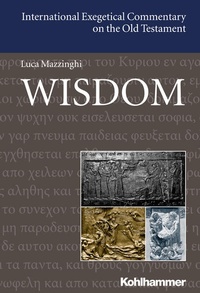
Wisdom
International Exegetical Commentary on the Old Testament (IECOT)
1st Edition
Published on 24. July 2019
523 pages
978-3-17-033649-0 (ISBN)
Description

For the first time, the present commentary brings together all relevant aspects necessary to understand and appreciate this late portion of Old Testament Scripture: textual criticism; detailed philological and literary analysis; the text's two-fold historical context in its Hellenistic environment, on the one hand, and in the biblical tradition on the other; and ultimately the very innovative theology of the book of Wisdom. Aspects of the book's reception history as well as hermeneutical questions round off the commentary on the text.
More details
Other editions
Additional editions
Book
07/2019
1st Edition
Kohlhammer
from
€109.00
Shipment within 5-7 days
Person
Dr. Luca Mazzinghi is professor of Old Testament at the Pontifical Gregorian University, Rome.
Content
- Cover
- Titlepage
- Imprint
- Content
- Editors' Foreword
- Preface
- General Introduction
- A Unique Book
- Text and Versions
- The Unity of the Book
- Literary Structure
- Language and Style
- Language
- Style
- The Literary Genre: Between the Epideictic Genre and Midrashic Style
- Wisdom: A Protreptic
- Wisdom: An Encomium
- The Midrashic Style
- Author, Date, and Place of Composition
- Author
- Date
- Place
- The Book of Wisdom and the Scriptures
- The Book of Wisdom and the Ancient Jewish Tradition
- The Book of Wisdom and Hellenism
- The Book of Wisdom and the Christian Tradition
- The Links with the New Testament
- The Problem of Canonicity and the Use of the Book in Christian Antiquity
- Introduction to the First Part (Wis 1-6)
- Literary Structure
- Literary Genre: Wis 1-6 and the Encomium
- Wis 1:1-15: Love Justice!
- Literary Structure of Wis 1:1-15
- Wis 1:1-5: Justice, Wisdom, and Spirit
- Notes on the Text and Translation
- Synchronic Analysis
- Diachronic Analysis
- Wis 1:6-10: Wisdom is a Philanthropic Spirit
- Notes on the Text and Translation
- Synchronic Analysis
- Diachronic Analysis
- Wis 1:11-12: Do Not Seek Death!
- Notes on the Text and Translation
- Synchronic Analysis
- Diachronic Analysis
- Wis 1:13-15: God Did Not Create Death!
- Synchronic Analysis
- Diachronic Analysis
- Summary of Wis 1:1-15
- Wis 1:16-2:24: The Godless Summon Death through Their Words and Deeds
- Literary Structure of Wis 1:16-2:24
- Wis 1:16-2:5: The Party of Death: A Life without Meaning
- Notes on the Text and Translation
- Synchronic Analysis
- Diachronic Analysis
- Wis 2:6-9: Let Us Enjoy Life!
- Notes on the Text and Translation
- Synchronic Analysis
- Diachronic Analysis
- Wis 2:10-16: Let Us Oppress the Just Man!
- Notes on the Text and Translation
- Synchronic Analysis
- Diachronic Analysis
- Wis 2:17-20: Let Us See If the Just One Is the Child of God .!
- Notes on the Text and Translation
- Synchronic Analysis
- Diachronic Analysis
- Wis 2:21-24: The Mysteries of God
- Notes on the Text and Translation
- Synchronic Analysis
- Diachronic Analysis
- Summary of Wis 1:16 - 2:24: The Identity of the Ungodly and That of the Just
- Wis 3-4: The Just and the Godless between Life and Death: Four Contrasts
- Literary Structure of Wis 3-4
- The First Diptych: The Destiny of the Just and the Ungodly (Wis 3:1-12)
- Wis 3:1-9: The Just Are in the Hand of God and Will Govern Nations
- Notes on the Text and Translation
- Synchronic Analysis
- Diachronic Analysis
- Wis 3:10-12:The Ungodly and Their Descendants
- Notes on the Text and Translation
- Synchronic Analysis
- Diachronic Analysis
- The Second Diptych: The Barren Woman, the Eunuch and the Infertility of the Ungodly (Wis 3:13-19)
- Notes on the Text and Translation
- Synchronic Analysis
- Diachronic Analysis
- The Third Diptych: Virtue and Children (Wis 4:1-6)
- Notes on the Text and Translation
- Synchronic Analysis
- Diachronic Analysis
- The Fourth Diptych: The Premature Death of the Just and the Sad Death of the Ungodly (Wis 4:7-20)
- Notes on the Text and Translation
- Synchronic Analysis
- Diachronic Analysis
- Summary of Wis 3-4
- Wis 5: Concluding Contrast of the Just and the Godless before the Background of the Cosmos
- The Literary Structure of Wis 5
- Notes on the Text and Translation
- Synchronic Analysis
- Diachronic Analysis
- Wis 5:4-13: The Discourse of the Ungodly
- Notes on the Text and Translation
- Synchronic Analysis
- Diachronic Analysis
- Wis 5:14-23: The Vain Hope of the Ungodly and the Blessed Destiny of the Just
- the Cosmos, in Alliance with God
- Notes on the Text and Translation
- Synchronic Analysis
- Diachronic Analysis
- Summary of Wis 5
- Wis 6:1-21: A New Appeal to the Readers
- The Literary Structure of Wis 6
- Notes on the Text and Translation
- Synchronic Analysis
- Diachronic Analysis
- Wis 6:12-21: Wisdom Searches for the One Searching for Her
- Notes on the Text and Translation
- Synchronic Analysis
- Diachronic Analysis
- Wis 6:22-25: I Will Explain the Nature of Wisdom to You
- Notes on the Text and Translation
- Synchronic Analysis
- Diachronic Analysis
- Summary
- Introduction to the Second Part (Wis 7-9)
- Wis 7-8: The Elogium of Wisdom
- The Literary Structure of Wis 7-8
- Wis 7:1-6: Weakness of "Solomon"
- Notes on the Text and Translation
- Synchronic Analysis
- Diachronic Analysis
- Wis 7:7-12: Love Wisdom
- Notes on the Text and Translation
- Synchronic Analysis
- Diachronic Analysis
- Wis 7:13-22a:the gifts of wisdom
- Notes on the Text and Translation
- Synchronic Analysis
- Diachronic Analysis
- Wis 7:22b-8:1:The Nature of Wisdom
- Notes on the Text and Translation
- Synchronic Analysis
- Diachronic Analysis
- Wis 8:2-9:Wisdom as Spouse, Friend, Counsellor
- Notes on the Text and Translation
- Synchronic Analysis
- Diachronic Analysis
- Wis 8:10-16:On the Gifts of Wisdom Again
- Synchronic Analysis
- Diachronic Analysis
- Wis 8:17-21: A Prayer to Obtain Wisdom
- Notes on the Text and Translation
- Synchronic Analysis
- Diachronic Analysis
- Summary of Wis 7-8
- Wis 9: The Prayer to Obtain Wisdom
- Literary Structure of Wis 9
- Wis 9:1-6: The First Strophe - Wisdom, Creation, and Human Weakness
- Notes on the Text and Translation
- Synchronic Analysis
- Diachronic Analysis
- Wis 9:7-12: The Second Strophe - Wisdom and God
- Synchronic Analysis
- Diachronic Analysis
- Wis 9:13-18: The Third Strophe - Wisdom, the Will of God, and Salvation
- Notes on the Text and Translation
- Synchronic Analysis
- Diachronic Analysis
- Introduction to the Third Part (Wis 10-19)
- Wis 10: Wisdom' Work in History from Adam to Moses
- The Structure and Literary Genre of Wis 10
- Wis 10:1-4: Adam, Cain and Abel, Noah
- Synchronic Analysis
- Diachronic Analysis
- Wis 10:5-9: Abraham, Lot and His wife
- Notes on the Text and Translation
- Synchronic Analysis
- Diachronic Analysis
- Wis 10: 10-12:Jacob
- Notes on the Text and Translation
- Synchronic Analysis
- Diachronic Analysis
- Wis 10:13-14: Joseph
- Notes on the Text and Translation
- Synchronic Analysis
- Diachronic Analysis
- Wis 10:15-21: Moses
- Notes on the Text and Translation
- Synchronic Analysis
- Diachronic Analysis
- Summary of Wis 10
- Wis 11:1-14: The First Antithesis
- Literary Structure of Wis 11:1-14
- Wis 11:1-5:The Introduction to the Seven Antitheses
- Notes on the Text and Translation
- Synchronic Analysis
- Diachronic Analysis
- Wis 11:6-14: The First Antithesis. The Water Changed into Blood
- the Water from the Rock
- Notes on the Text and Translation
- Synchronic Analysis
- Diachronic Analysis
- Wis 11:15-12:27: The Divine "Philanthropy"
- Literary Structure of Wis 11:15-12:27
- Wis 11:15-12:2: Divine Moderation towards Egypt
- Notes on the Text and Translation
- Synchronic Analysis
- Diachronic Analysis
- Wis 12:3-21: Divine Moderation towards the Canaanites and Its Lessons
- Notes on the Text and Translation
- Synchronic Analysis
- Diachronic Analysis
- Wis 12:22-27: God's Mercy and Zoolatry
- Notes on the Text and Translation
- Synchronic Analysis
- Diachronic Analysis
- Summary of Wis 11:15-12:27
- Wis 13-15: The Criticism of Idolatry
- Literary Structure of Wis 13-15
- Wis 13:1-9: The Religion of the Philosophers
- Notes on the Text and Translation
- Synchronic Analysis
- Diachronic Analysis
- Wis 13:10-15:13: Criticism of Idolatry
- Wis 13:10-19:The Birth of an Idol
- Notes on the Text and Translation
- Synchronic Analysis
- Diachronic Analysis
- Wis 14:1-10: The Ship of Providence
- Notes on the Text and Translation
- Synchronic Analysis
- Diachronic Analysis
- Wis 14:11-31: Origins and Consequences of Idolatry
- Notes on the Text and Translation
- Synchronic Analysis
- Diachronic Analysis
- Wis 15:1-6: Faithfulness of God
- Fidelity of the People
- Notes on the Text and Translation
- Synchronic Analysis
- Diachronic Analysis
- Wis 15:7-13: The Folly of Idolatry
- Notes on the Text and Translation
- Synchronic Analysis
- Diachronic Analysis
- Wis 15:14-19: Criticism of Egyptian Zoolatry
- Notes on the Text and Translation
- Synchronic Analysis
- Diachronic Analysis
- Summary of Wis 13-15
- Wis 16: Three Antitheses: God Punishes and Favours
- God' Word Is Nourishment
- The Literary Structure of Wis 16
- Wis 16:1-4: The Second Diptych - The Plague of the Beasts and the Quails
- Notes on the Text and Translation
- Synchronic Analysis
- Diachronic Analysis
- Wis 16:5-14: The Third Diptych - The Serpent in the Desert
- The Literary Structure of Wis 16:5-14
- Notes on the Text and Translation
- Synchronic Analysis
- Diachronic Analysis
- Summary of Wis 16:5-14
- Wis 16:15-29: Fourth Antithesis - The Hail and the Manna
- The Literary Structure of Wis 16:15-29
- Part One of the Diptych: Wis 16:15, 16-19, and 20-23
- Notes on the Text and Translation
- Synchronic Analysis
- Diachronic Analysis
- Part Two of the Diptych: Wis 16:24-29
- Notes on the Text and Translation
- Synchronic Analysis
- Diachronic Analysis
- Summary of Wis 16:15-29
- Wis 17:1-18:4: The Fifth Diptych - The Darkness and the Light
- The Literary Structure of Wis 17:1-18:4
- Wis 17:1-6: A Night of Fear
- Notes on the Text and Translation
- Synchronic Analysis
- Diachronic Analysis
- Wis 17:7-11:The Magicians and Conscience
- Notes on the Text and Translation
- Synchronic Analysis
- Diachronic Analysis
- Wis 17:12-15: An Infernal Fear
- Notes on the Text and Translation
- Synchronic Analysis
- Diachronic Analysis
- Wis 17:16-21: Prisoners of Fear
- Notes on the Text and Translation
- Synchronic Analysis
- Diachronic Analysis
- Wis 18:1-4: Wisdom and Law, Light for the World
- Notes on the Text and Translation
- Synchronic Analysis
- Diachronic Analysis
- Summary of Wis 17:1-18:4
- Wis 18:5-25: The Sixth Diptych - The Night of the Passover
- The Literary structure of Wis 18:5-25
- Notes on the Text and Translation
- Synchronic Analysis
- Diachronic Analysis
- Wis 18:10-13: The Egyptians' Dirge
- Notes on the Text and Translation
- Synchronic Analysis
- Diachronic Analysis
- Wis 18:14-19: The Punishing Logos
- Synchronic Analysis
- Diachronic Analysis
- Wis 18:20-25: The Trial of the Israelites and the Intercession of Aaron
- Wis 19: The Seventh Diptych and the Creation Renewed
- The Literary Structure of Wis 19
- Wis 19:1-5: The Seventh Diptych
- the Crossing of the Sea
- Notes on the Text and Translation
- Synchronic Analysis
- Diachronic Analysis
- Wis 19:6-12: The Crossing of the Sea and the Creation at the Service of God's Children
- Notes on the Text and Translation
- Synchronic Analysis
- Diachronic Analysis
- Wis 19:13-17: Egyptians and Sodomites - The Civil Rights of the Jews of Alexandria
- Notes on the Text and Translation
- Synchronic Analysis
- Diachronic Analysis
- Wis 19:18-21 and 22: The Creation Renewed. The Book's Conclusion
- Notes on the Text and Translation
- Synchronic Analysis
- Diachronic Analysis
- Summary of Wis 19. The Theology of Chapter 19 and the Conclusion of the Book of Wisdom
- Bibliography
- 1. Commentaries
- 2. Secondary Literatur on the Book of Wisdom
- 3. Other Literature
- Indexes
- Index of Hebrew Words
- Index of Key Words
- Index of Biblical Citations
- Plan of volumes
