


The Science of Discipline
Description

Discover 8 trauma-informed strategies to empower you and your teachers, engage your students, and proactively improve student behavior
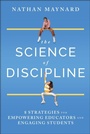
The Science of Discipline is a proven and transformative roadmap to tackling some of the biggest behavioral problems faced in school systems today. Nathan Maynard, a global leader in discipline and restorative practices, offers insightful theories and practical strategies to take a more proactive approach to improve student behavior in the classroom with immediate and long-lasting effects. Many behavior modification models are outdated and fear-based, creating more challenges than they solve. Instead, this book walks you through Maynard's signature trauma-informed approach, focusing on belonging, accountability, and logical consequences for students.
Supported by groundbreaking research in behavioral neuroscience, as well as Maynard's extensive experience consulting and training thousands of educators and working with students in some of the most complex school systems across the globe, this book gives you 8 strategies to work through the most complex challenges students and educators face with discipline:
- Discipline: Recognize that each child is unique, and adapting to their differences is key.
- Cultivating Accountability: Teach kids to take responsibility for their actions through clear expectations and consistent consequences.
- Ending Loneliness is Schools: Create an inclusive environment where every student feels valued and connected.
- Building Empathy: Encourage understanding and sharing of feelings to foster a compassionate community.
- Respect: Manage difficult behaviors with respect and effective strategies to maintain a safe environment.
- The Power of Differentiated Thinking: Support neurodivergent and disabled students with personalized and inclusive teaching practices.
- Raising Kids: Build strong relationships through meaningful connections, effective communication, and conflict resolution.
- Understanding the "Bad Kid": Look beyond labels to understand and address the root causes of a child's behavior.
Featuring powerful stories from students and teachers, this book also shares Maynard's inspiring journey from generational poverty, childhood trauma, and a 'bad kid' reputation to a life dedicated to healing others worldwide. Down-to-earth and highly practical, The Science of Discipline earns a well-deserved spot on the bookshelves of all educators, administrators, parents, and community leaders ready to find a new way forward in a swiftly changing and complex school system.
More details
Other editions
Additional editions
Content
Introduction ix
Chapter 1 Understanding What's Behind the Behavior: Why Kids Act Out and Punitive Punishment Doesn't Work 1
Chapter 2 Building Belonging: Discipline That Doesn't Create Shame, Fear, or Embarrassment 27
Chapter 3 Increasing Accountability: Repairing Harm and Teaching Replacement Skills 55
Chapter 4 Leading with Empathy: A Blueprint for Emotional Intelligence 83
Chapter 5 Teaching Self- Regulation: Simple Ways to Teach Regulation and Focus on Our Well- Being 105
Chapter 6 Modeling Respect: Navigating Defiance, Violence, and Unhinged Behavior 133
Chapter 7A Framework for Forgiveness: Breaking Through Labels, Repairing the Harm, and Creating Fresh Starts 159
Chapter 8Empowering Differentiated Thinking: Strategies to Support Neurodivergent and Disabled Students 183
Conclusion: Empathy Is Our Connection Thread 199
Bibliography 203
Additional Resources 207
Acknowledgments 209
Index 211
