

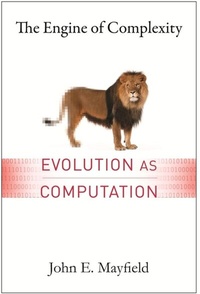
The Engine of Complexity
Evolution as Computation
1st Edition
Published on 25. September 2015
416 pages
978-0-231-53528-1 (ISBN)
Description

The concepts of evolution and complexity theory have become part of the intellectual ether permeating the life sciences, the social and behavioral sciences, and, more recently, management science and economics. In this book, John E. Mayfield elegantly synthesizes core concepts from multiple disciplines to offer a new approach to understanding how evolution works and how complex organisms, structures, organizations, and social orders can and do arise based on information theory and computational science.
Intended for the intellectually adventuresome, this book challenges and rewards readers with a nuanced understanding of evolution and complexity that offers consistent, durable, and coherent explanations for major aspects of our life experiences. Numerous examples throughout the book illustrate evolution and complexity formation in action and highlight the core function of computation lying at the work's heart.
Intended for the intellectually adventuresome, this book challenges and rewards readers with a nuanced understanding of evolution and complexity that offers consistent, durable, and coherent explanations for major aspects of our life experiences. Numerous examples throughout the book illustrate evolution and complexity formation in action and highlight the core function of computation lying at the work's heart.
All prices
More details
Other editions
Additional editions
Book
07/2013
Columbia University Press
€52.08
Shipment within 10-20 days
Person
John E. Mayfield is professor emeritus of genetics, development, and cell biology at Iowa State University. He has also taught at the California Institute of Technology, Carnegie-Mellon University, and Harvard University Biological Laboratories. His research focuses on the development of a generalized theory of evolution that relates naturally and easily to fundamental mathematical and physical principles.
Content
Preface
Introduction
1. The Problem
How is the Earth different?
What is information?
What is an evolutionary system?
What constitutes scientific understanding?
How does computer science fit in?
How is purposeful complexity explained by science?
2. Computation
What is a computation?
What does it mean to manipulate information?
How is information defined and measured in computer science?
Can great complexity be created by short (i.e., simple) programs?
Can physical structure be computed?
Why have long programs?
3. Structure for Free
If physical processes compute, what and where are the programs?
How do we explain a grain of salt?
How does a solar system form?
How do nonequilibrium structures form?
Must structures have permanent parts?
Is behavior a form of structure?
Can avalanches be simulated in a computer?
Whence structure for free?
4. Purposeful Structure
What can you get by using instructions that you can't get for free?
Can you get a watch without a watchmaker?
How do instructions encoded in DNA specify structures more complicated than single proteins?
Can instructions dictate activity?
What about ongoing activity?
So, exactly how do we define purposeful structure?
5. Improbability and the Engine of Complexity
How do order and disorder relate to each other?
How do we reconcile great improbability with existence?
Where do instructions come from?
How do instructions change our view of object probability?
Is life the outcome of a computation?
6. Algorithmic Evolution
Can computers learn?
What are evolutionary algorithms?
Can the rules evolve?
How can we visualize what is happening during an evolutionary computation?
Is randomness necessary for learning?
7. Evolution Within the Body
How does the human body form from a single cell?
How is the brain wired?
Why isn't the body destroyed by microorganisms?
What does copying add to selection?
8. Taking Control of the Cycle
Can the engine of complexity accept any form of information?
Can variation be controlled?
Must selection be natural?
Is there any aspect of the cycle that cannot be controlled?
9. Complex Systems
What constitutes a complex system?
How is an electronic device also a network?
What is a biochemical network?
What is a genetic network, and what does it do?
What is a proteome?
What is life?
What is a complex adaptive system?
10. Human Learning and Creativity
How are we to understand the human mind?
Where is the information?
How are decisions made?
Could our world, and therefore our thoughts, be deterministic?
What are some general principles of brain function?
What is evolutionary epistemology?
What are some current theories?
How do we invent?
What is the evidence that the engine of complexity plays a major role in brain function?
What can we say about the origin of human creativity?
11. Cultural Evolution
What is human culture?
How do cultures change?
How does science work?
Economies change, but do they evolve?
Do religions evolve?
How does the engine of complexity operate in human society?
12. The Evolution of Complexity
Can complexity be defined?
How is complexity defined by biologists?
How do optimization and coevolution fit in?
Do resources matter?
How does depth figure in?
Is there evidence?
13. Past and Present
How do engines of complexity get started?
What does it mean to be in the middle of a computation?
14. The Future
Where is it all going?
Are we about to participate in a new implementation of the engine of complexity?
Acknowledgments
Notes
Glossary
References
Index4
Introduction
1. The Problem
How is the Earth different?
What is information?
What is an evolutionary system?
What constitutes scientific understanding?
How does computer science fit in?
How is purposeful complexity explained by science?
2. Computation
What is a computation?
What does it mean to manipulate information?
How is information defined and measured in computer science?
Can great complexity be created by short (i.e., simple) programs?
Can physical structure be computed?
Why have long programs?
3. Structure for Free
If physical processes compute, what and where are the programs?
How do we explain a grain of salt?
How does a solar system form?
How do nonequilibrium structures form?
Must structures have permanent parts?
Is behavior a form of structure?
Can avalanches be simulated in a computer?
Whence structure for free?
4. Purposeful Structure
What can you get by using instructions that you can't get for free?
Can you get a watch without a watchmaker?
How do instructions encoded in DNA specify structures more complicated than single proteins?
Can instructions dictate activity?
What about ongoing activity?
So, exactly how do we define purposeful structure?
5. Improbability and the Engine of Complexity
How do order and disorder relate to each other?
How do we reconcile great improbability with existence?
Where do instructions come from?
How do instructions change our view of object probability?
Is life the outcome of a computation?
6. Algorithmic Evolution
Can computers learn?
What are evolutionary algorithms?
Can the rules evolve?
How can we visualize what is happening during an evolutionary computation?
Is randomness necessary for learning?
7. Evolution Within the Body
How does the human body form from a single cell?
How is the brain wired?
Why isn't the body destroyed by microorganisms?
What does copying add to selection?
8. Taking Control of the Cycle
Can the engine of complexity accept any form of information?
Can variation be controlled?
Must selection be natural?
Is there any aspect of the cycle that cannot be controlled?
9. Complex Systems
What constitutes a complex system?
How is an electronic device also a network?
What is a biochemical network?
What is a genetic network, and what does it do?
What is a proteome?
What is life?
What is a complex adaptive system?
10. Human Learning and Creativity
How are we to understand the human mind?
Where is the information?
How are decisions made?
Could our world, and therefore our thoughts, be deterministic?
What are some general principles of brain function?
What is evolutionary epistemology?
What are some current theories?
How do we invent?
What is the evidence that the engine of complexity plays a major role in brain function?
What can we say about the origin of human creativity?
11. Cultural Evolution
What is human culture?
How do cultures change?
How does science work?
Economies change, but do they evolve?
Do religions evolve?
How does the engine of complexity operate in human society?
12. The Evolution of Complexity
Can complexity be defined?
How is complexity defined by biologists?
How do optimization and coevolution fit in?
Do resources matter?
How does depth figure in?
Is there evidence?
13. Past and Present
How do engines of complexity get started?
What does it mean to be in the middle of a computation?
14. The Future
Where is it all going?
Are we about to participate in a new implementation of the engine of complexity?
Acknowledgments
Notes
Glossary
References
Index4

