

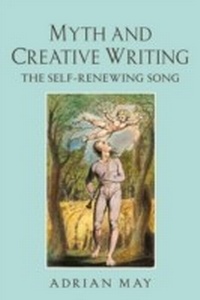
Myth and Creative Writing
The Self-Renewing Song
1st Edition
Published on 19. November 2013
232 pages
978-1-317-86303-8 (ISBN)
Description

Myth and Creative Writing is a unique and practical guide to the arts of creative writing. It:
Gives a historical perspective on the storyteller's art
Takes a wide view of myth, to include: legends, folklore, biblical myth, classical myth, belief myths, balladry and song.
Considers all aspects of the creative process, from conception to completion
Provides tips on seeking inspiration from classical and mythic sources
Shows how myths can be linked to contemporary concerns
Enables beginning writers to tap into the deeper resonances of myth
Guides students to further critical and creative resources
A secret that all writers know is that they are part of a long tradition of storytelling - whether they call it mythic, intertextual, interactive or original. And in the pantheon of storytelling, myths (those stories that tell us, in often magical terms, how the world and the creatures in it came to be) are the bedrock, a source of unending inspiration. One can dress the study of literature in the finest critical clothing - or intellectualise it until the cows come home - but at its heart it is nothing more - and nothing less - than the study of the human instinct to tell stories, to order the world into patterns we can more readily understand. Exploring the mythic nature of writing (by considering where the connections between instinct and art are made, and where the writer is also seen as a mythic adventurer) is a way of finding close links to what it is we demand from literature, which is - again - something to do with the essences of human nature. Further, in the course of examining the nature of myth, Adrian May provides a very practical guide to the aspiring writer - whether in a formal course or working alone - on how to write stories (myths) of their own, from how to begin, how to develop and how to close.
Gives a historical perspective on the storyteller's art
Takes a wide view of myth, to include: legends, folklore, biblical myth, classical myth, belief myths, balladry and song.
Considers all aspects of the creative process, from conception to completion
Provides tips on seeking inspiration from classical and mythic sources
Shows how myths can be linked to contemporary concerns
Enables beginning writers to tap into the deeper resonances of myth
Guides students to further critical and creative resources
A secret that all writers know is that they are part of a long tradition of storytelling - whether they call it mythic, intertextual, interactive or original. And in the pantheon of storytelling, myths (those stories that tell us, in often magical terms, how the world and the creatures in it came to be) are the bedrock, a source of unending inspiration. One can dress the study of literature in the finest critical clothing - or intellectualise it until the cows come home - but at its heart it is nothing more - and nothing less - than the study of the human instinct to tell stories, to order the world into patterns we can more readily understand. Exploring the mythic nature of writing (by considering where the connections between instinct and art are made, and where the writer is also seen as a mythic adventurer) is a way of finding close links to what it is we demand from literature, which is - again - something to do with the essences of human nature. Further, in the course of examining the nature of myth, Adrian May provides a very practical guide to the aspiring writer - whether in a formal course or working alone - on how to write stories (myths) of their own, from how to begin, how to develop and how to close.
More details
Language
English
Place of publication
London
United Kingdom
Publishing group
Taylor & Francis Ltd
Target group
College/higher education
Professional and scholarly
File size
2,52 MB
ISBN-13
978-1-317-86303-8 (9781317863038)
Copyright in bibliographic data and cover images is held by Nielsen Book Services Limited or by the publishers or by their respective licensors: all rights reserved.
Schweitzer Classification
Other editions
Additional editions
Book
04/2015
1st Edition
Routledge
€241.80
Shipment within 10-20 days
Book
08/2010
1st Edition
Routledge
€73.30
Shipment within 3-4 weeks
Person
Adrian May was a songwriter in English folk clubs before becoming a teacher of writing at the University of Essex. He has published essays on writing, myth and song lyrics, and is the author of a collection of poems, An Essex Attitude (Wivenbooks, 2009).
Content
Preface: Mythic Intentions Introduction: The Mythic Writer PART ONE: Myth and the Creative Process 1. Starting Creation 2. Birth Myths 3. The Truth Lies 4. Mythic Navigation Devices 5. Dark Matter 6. Late Heroes 7. Happiness Writes 8. Myth Madness 9. Modernising Myths 10. The Daily Myther 11. Dooms and Dead Ends 12. Myths of Fame Postscript: Theories and Fairies, Myth and Magic PART TWO: A Mythic Subject Dictionary Bibliography Index
