


China's Economic Development
Decoding and Reframing its Rise
1st Edition
Published on 21. June 2024
248 pages
978-1-040-08542-4 (ISBN)
Description

Through a rigorous examination of "China's rise", Lee addresses an important question-Did China catch up? Or more specifically, can growth be automatically translated to catching up with the advanced industrialised countries or has it only allowed limited progress (if any) to be made?
To answer these queries and the broader question of the possibility of the Global South converging with the Global North, four development theories are utilised, with competing explanations, to uncover the complexity and multifaceted development of China. This includes whether China really has a unique developmental model to offer. Positioning China within the global economy, this book traces its developmental progress over time as well as its progress relative to other countries. To understand whether the Chinese political economy is socialist (or not), Lee moves away from the orthodox definition of socialism and instead examines the official narrative of Socialism with Chinese Characteristics. Lastly, this book argues that though China is catching up, challenges that could potentially block China's progress for a full catch-up are to be anticipated.
A useful resource for students and scholars in the fields of international relations, international political economy, Chinese studies, and development studies.
To answer these queries and the broader question of the possibility of the Global South converging with the Global North, four development theories are utilised, with competing explanations, to uncover the complexity and multifaceted development of China. This includes whether China really has a unique developmental model to offer. Positioning China within the global economy, this book traces its developmental progress over time as well as its progress relative to other countries. To understand whether the Chinese political economy is socialist (or not), Lee moves away from the orthodox definition of socialism and instead examines the official narrative of Socialism with Chinese Characteristics. Lastly, this book argues that though China is catching up, challenges that could potentially block China's progress for a full catch-up are to be anticipated.
A useful resource for students and scholars in the fields of international relations, international political economy, Chinese studies, and development studies.
Reviews / Votes
Lee considers four competing development theories and examines China's economic development using the competing explanations. She provides insight into the dynamic nature of the international division of labor through development theories. Lee cautions "peripheral countries" about opening up their economies because of potential exploitation and dependency. [...] It is an interesting read for those interested in development and Chinese economy. Suitable as an undergraduate textbook.- D. Li, University of Texas at Dallas, Choice Review, January 2025
More details
Series
Edition
1. Auflage
Language
English
Place of publication
London
United Kingdom
Publishing group
Taylor & Francis Ltd
Target group
College/higher education
Illustrations
2 Tables, black and white; 5 Halftones, black and white; 5 Illustrations, black and white
ISBN-13
978-1-040-08542-4 (9781040085424)
Copyright in bibliographic data and cover images is held by Nielsen Book Services Limited or by the publishers or by their respective licensors: all rights reserved.
Schweitzer Classification
Other editions
Additional editions
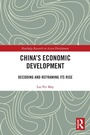
Book
approx. 12/2025
1st Edition
Routledge
€68.90
Not yet published

Book
07/2024
Taylor & Francis
Unfortunately, price unknown
Available (delivery time upon request)
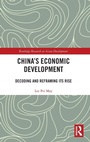
Book
06/2024
1st Edition
Routledge
€193.80
Shipment within 10-20 days
Person
Lee Pei May is Assistant Professor at the Department of Political Science at the International Islamic University of Malaysia. Her research focuses on China's political economy, US-China geopolitical competition, and Malaysia-China relations. Her published work includes US-China relations: trade war and the quest for global hegemony.
Content
TABLE OF CONTENTS
List of Tables and Figures
Acknowledgements
List of Abbreviations
1. KEY DEBATES ON CHINA'S DEVELOPMENT
1.1 Historical Background of China
1.2 Unsettled Debates of China's Development
1.3 Concept of Development
1.4 Scientific Contributions
1.5 Research Methodology
1.5.1 Document Analysis
1.6 The structure of the book
2. THEORETICAL FRAMEWORKS
2.1 Introduction
2.2 On the Idea of Catch-up
2.2.1 Modernisation Theory
2.2.2 Dependency Theory
2.2.3 Theory of Uneven and Combined Development
2.3 Expectations of China's developmental outcomes
2.4 China's Developmental Model
2.4.1 Modernisation Theory
2.4.2 Developmental State Theory
2.5 Expectations of Chinese development model
2.6 Conclusion
3. CHINA'S INTEGRATION INTO THE GLOBAL ECONOMY: PROGRESS OR UNDERDEVELOPMENT?
3.1 Introduction
3.2 Dependency Theory on Underdevelopment of China
3.2.1 Foreign economic relations
3.2.2 Technology Development
3.2.3 Summary
3.3 Modernisation Theory on China's Attaining Economic Development
3.3.1 Social Overhead Capital
3.3.2 Foreign economic relations
3.3.3 Agricultural technology
3.3.4 Summary
3.4 Conclusion
4. IS DEVELOPMENT CATCH-UP POSSIBLE?
4.1 Introduction
4.2 Modernisation Theory on China's Developmental Catch-up
4.2.1 Income Level
4.2.2 Comparison of Chinese development with other countries
4.2.3 Technology Gap
4.2.4 Summary
4.3 The Theory of Uneven and Combined Development: China could not catch-up
4.3.1 "Combination" form of Chinese Development?
4.3.2 Unevenness between China and developed economies
4.3.3 Unevenness between regions within China
4.3.4 Sectoral Unevenness within China
4.3.5 Urban-rural gap
4.3.5.1 Income equality in China
4.3.6 Summary
4.4 Conclusion
5. UNDERSTANDING CHINESE POLITICAL ECONOMY
5.1 Introduction
5.2 Chinese Official Narrative of "Socialism with Chinese Characteristics"
5.3 Analysis of "Socialism with Chinese Characteristics"
5.4 Scholarly debate on the nature of the Chinese political economy
5.5 Conclusion
6. CHINA'S VARIETY OF CAPITALISM
6.1 Introduction
6.2 Modernisation Theory's Expectations of the Chinese Development Model
6.2.1 China Model: Free-market Development Model?
6.3 Developmental State Theory's Expectations of the Chinese Development Model
6.3.1 China Model: State-led Development Model?
6.4 Conclusion
7. POTENTIAL CHALLENGES TO CHINA'S CATCH-UP TO THE WEST
7.1 Introduction
7.2 Internal challenges
7.2.1 Slowing economic growth
7.2.2 Declining innovation and investment
7.2.3 Housing market crisis
7.2.4 Growing dissatisfaction and protest within China
7.3 External challenges
7.3.1 Decoupling to De-risking from the Chinese Economy
7.3.2 The US-China Trade War
7.3.3 From Trade War to Tech War
7.3.4 Wide-ranging competition and potential confrontation with the US
7.4 Conclusion
8. CONCLUSION
8.1 Introduction
8.2 Developmental Catch-up in China
8.3 China Development Model
8.4 Potential Challenges to China's Catch-Up
8.5 Conclusion
Notes
References
Index
List of Tables and Figures
Acknowledgements
List of Abbreviations
1. KEY DEBATES ON CHINA'S DEVELOPMENT
1.1 Historical Background of China
1.2 Unsettled Debates of China's Development
1.3 Concept of Development
1.4 Scientific Contributions
1.5 Research Methodology
1.5.1 Document Analysis
1.6 The structure of the book
2. THEORETICAL FRAMEWORKS
2.1 Introduction
2.2 On the Idea of Catch-up
2.2.1 Modernisation Theory
2.2.2 Dependency Theory
2.2.3 Theory of Uneven and Combined Development
2.3 Expectations of China's developmental outcomes
2.4 China's Developmental Model
2.4.1 Modernisation Theory
2.4.2 Developmental State Theory
2.5 Expectations of Chinese development model
2.6 Conclusion
3. CHINA'S INTEGRATION INTO THE GLOBAL ECONOMY: PROGRESS OR UNDERDEVELOPMENT?
3.1 Introduction
3.2 Dependency Theory on Underdevelopment of China
3.2.1 Foreign economic relations
3.2.2 Technology Development
3.2.3 Summary
3.3 Modernisation Theory on China's Attaining Economic Development
3.3.1 Social Overhead Capital
3.3.2 Foreign economic relations
3.3.3 Agricultural technology
3.3.4 Summary
3.4 Conclusion
4. IS DEVELOPMENT CATCH-UP POSSIBLE?
4.1 Introduction
4.2 Modernisation Theory on China's Developmental Catch-up
4.2.1 Income Level
4.2.2 Comparison of Chinese development with other countries
4.2.3 Technology Gap
4.2.4 Summary
4.3 The Theory of Uneven and Combined Development: China could not catch-up
4.3.1 "Combination" form of Chinese Development?
4.3.2 Unevenness between China and developed economies
4.3.3 Unevenness between regions within China
4.3.4 Sectoral Unevenness within China
4.3.5 Urban-rural gap
4.3.5.1 Income equality in China
4.3.6 Summary
4.4 Conclusion
5. UNDERSTANDING CHINESE POLITICAL ECONOMY
5.1 Introduction
5.2 Chinese Official Narrative of "Socialism with Chinese Characteristics"
5.3 Analysis of "Socialism with Chinese Characteristics"
5.4 Scholarly debate on the nature of the Chinese political economy
5.5 Conclusion
6. CHINA'S VARIETY OF CAPITALISM
6.1 Introduction
6.2 Modernisation Theory's Expectations of the Chinese Development Model
6.2.1 China Model: Free-market Development Model?
6.3 Developmental State Theory's Expectations of the Chinese Development Model
6.3.1 China Model: State-led Development Model?
6.4 Conclusion
7. POTENTIAL CHALLENGES TO CHINA'S CATCH-UP TO THE WEST
7.1 Introduction
7.2 Internal challenges
7.2.1 Slowing economic growth
7.2.2 Declining innovation and investment
7.2.3 Housing market crisis
7.2.4 Growing dissatisfaction and protest within China
7.3 External challenges
7.3.1 Decoupling to De-risking from the Chinese Economy
7.3.2 The US-China Trade War
7.3.3 From Trade War to Tech War
7.3.4 Wide-ranging competition and potential confrontation with the US
7.4 Conclusion
8. CONCLUSION
8.1 Introduction
8.2 Developmental Catch-up in China
8.3 China Development Model
8.4 Potential Challenges to China's Catch-Up
8.5 Conclusion
Notes
References
Index
