

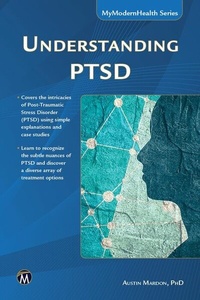
Understanding PTSD
1st Edition
Published on 3. September 2024
212 pages
978-1-5015-1985-7 (ISBN)
Description

This book explores the complexities of Post-Traumatic Stress Disorder, offering an accessible guide for those without prior knowledge of the condition. This comprehensive resource traces the historical roots of PTSD, debunks common myths, and explains its various symptoms and types across different age groups. Readers will gain insights into the brain's response to trauma, potential causes, and the physiological, psychological, and behavioral impacts of PTSD. The book explores diverse treatment options, from cognitive therapy and physical activity to medications and alternative methods like animal therapy and hypnosis. Practical advice on coping mechanisms, recognizing subtle nuances of PTSD, and fostering community support is provided to empower readers in supporting those affected. Additionally, it addresses the portrayal of PTSD in media and current and future research. The book serves as an invaluable resource for understanding, navigating, and overcoming the challenges posed by this condition. Whether you're struggling with PTSD, supporting someone who is, or simply seeking to understand this condition, this book provides the knowledge and tools you need.
FEATURES
-Written in easy-to-understand language, making complex concepts approachable for all readers
-Debunks common misconceptions about PTSD, such as the belief that only the weak are affected or that it's exclusively a soldier's ailment
-Discover a wide range of web resources, including pharmacological treatment options, from cognitive therapy and physical activity to medications and alternative methods like animal therapy and hypnosis
FEATURES
-Written in easy-to-understand language, making complex concepts approachable for all readers
-Debunks common misconceptions about PTSD, such as the belief that only the weak are affected or that it's exclusively a soldier's ailment
-Discover a wide range of web resources, including pharmacological treatment options, from cognitive therapy and physical activity to medications and alternative methods like animal therapy and hypnosis
More details
Language
English
Place of publication
New York
United States
Target group
Professional and scholarly
US School Grade: College Graduate Student
File size
5,32 MB
ISBN-13
978-1-5015-1985-7 (9781501519857)
Copyright in bibliographic data and cover images is held by Nielsen Book Services Limited or by the publishers or by their respective licensors: all rights reserved.
Schweitzer Classification
Other editions
Additional editions
Austin Mardon
Understanding PTSD
E-Book
09/2024
1st Edition
Mercury Learning and Information
€37.95
Available for download
Austin Mardon
Understanding PTSD
Book
08/2024
1st Edition
De Gruyter
€37.95
Article not available at the moment
Content
- Cover
- Half Title
- Title
- Copyright
- Dedication
- Contents
- Introduction: A College Student's Story
- Chapter 1: The History of Psychotraumatology
- PTSD in Historical Texts
- Evolving Terms During Battle
- PTSD in the World Wars
- References
- Chapter 2: PTSD Myths
- Only the Weak Get PTSD
- It Is All in Your Head
- Everyone Who Has Experienced Trauma Should be Affected
- Treatment Does Not Work
- Only Soldiers or People in War Zones Get PTSD
- People Should Be Able to Move on After Trauma
- People with PTSD Cannot Function Normally
- PTSD Always Happens Directly After the Trauma
- PTSD Victims Will Never Get Better
- PTSD Sufferers Are Unstable and Violent
- PTSD Sufferers Aren't Victims
- References
- Chapter 3: How to Assess
- Structured Interviews
- Structured Clinical Interview
- PTSD Symptom Scale Interview (PSS-I and PSS-I-5)
- Clinician-Administered PTSD Scale for DSM-5 (CAPS-5)
- Clinician-Administered PTSD Scale for Children and Adolescents
- Self-Reports
- PTSD Checklist for DSM-5 (PCL-5)
- Distressing Event Questionnaire
- Criteria for PTSD
- References
- Chapter 4: How the Brain Copes with Different Types of Trauma
- References
- Chapter 5: Potential Causes of PTSD
- Risk Factors
- Genetics
- Neurobiology and the Brain Structure
- Psychological Factors
- Environmental Factors
- Traumatic Experiences
- Car Accidents
- Sexual Assault
- Combat
- Mass Conflict and Displacement
- Medical Illness
- Childhood Trauma
- References
- Chapter 6: The Dangers of PTSD
- Patient Experience with PTSD
- References
- Chapter 7: Different Types of PTSD
- Childhood Trauma Survivors
- Sexual Assault Survivors
- War Survivors
- Abuse Survivors
- References
- Chapter 8: The Physiological, Psychological, and Behavioral Response to Trauma and PTSD
- References
- Chapter 9: Symptoms of PTSD
- Reexperiencing Symptoms
- Avoidance Symptoms
- Hyperarousal
- Startle Response
- References
- Chapter 10: PTSD in Different Age Groups
- References
- Chapter 11: Treatments
- Cognitive Therapy
- Complementary and Alternative Methods (CAM)
- Physical Activity
- Nutrition and Diet
- Breathing Relaxation
- Hypnosis
- Animal Therapy
- Medications
- References
- Chapter 12: Other Risks (Comorbidity)
- Depression
- Substance Abuse
- Suicidal Thoughts and Behaviors
- References
- Chapter 13: What Is Still Unknown?
- References
- Chapter 14: Current and Future Research
- Treatment
- Written Exposure Therapy (WET)
- Exposure Therapy
- Pharmacological Treatments
- Susceptibility
- Conclusion
- References
- Chapter 15: The General Public's Knowledge About PTSD
- Social Attitudes Toward Men and Women with PTSD
- Myths About PTSD
- References
- Chapter 16: How PTSD Is Portrayed in Media
- Portrayal of War Veterans with PTSD
- Portrayal of Sexual Assault Victims with PTSD
- References
- Chapter 17: PTSD and the Family
- Withdrawal and Disconnection
- Sympathy
- Conflict and Anger
- Guilt
- Avoidance
- Depression
- Stresses for the Primary Caregiver
- References
- Chapter 18: Recovery and How to Support Someone with PTSD
- PTSD Recovery and Treatments
- How to Support Someone with PTSD
- References
- Chapter 19: Epilogue
- Chapter 20: PTSD Resources in North America, Europe, and India
- Canada
- Books
- Worksheets
- Online Resources
- Workbooks
- Directory of Resources
- British Columbia
- Alberta
- Saskatchewan
- Manitoba
- Ontario
- Quebec
- Nova Scotia
- Prince Edward Island
- New Brunswick
- Newfoundland
- Yukon
- Northwest Territories
- Nunavut
- United States
- Web Sites
- App
- Books
- Helplines
- Videos
- Europe
- Sweden
- Denmark
- Norway
- Finland
- Iceland
- Lithuania
- Estonia
- Latvia
- Greenland
- Ireland
- United Kingdom
- India
- Web Sites
- Videos
- Books
- Helplines
- Appendix: Potential Pharmacological Treatments for Posttraumatic Stress Disorder
- Selective Serotonin Reuptake Inhibitors (SSRIs)
- Mechanism of Action
- Combination with Other Treatments
- Effectiveness
- Administration Guidelines
- Additional Considerations
- Example of SSRI
- Fluoxetine
- Prazosin
- Mechanism of Action
- Effectiveness in PTSD Treatment
- Combination with Other Treatments
- Administration Guidelines
- Additional Considerations
- Antidepressant Medications
- Mechanism of Action
- Effectiveness in PTSD Treatment
- Combination with Other Treatments
- Administration Guidelines
- Additional Considerations
- Examples of Antidepressant Medications
- Sertraline
- Tricyclic Antidepressants
- Novel Antipsychotics
- Mechanism of Action
- Effectiveness in PTSD Treatment
- Combination with Other Treatments
- Administration Guidelines
- Additional Considerations
- Monoamine Oxidase Inhibitors (MAOI)
- Lithium
- Anticonvulsants
- Benzodiazepines
- Index
