

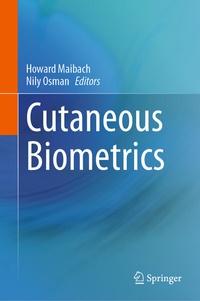
Cutaneous Biometrics
Description

This handbook covers the essential subject areas of cutaneous biometrics, including acne, aging, genetics, eczema, psoriasis, atopic dermatitis, rosacea, wound healing, and more. Erythema of rosacea and the risk of skin ulceration associated with oral nicorandil therapy are covered in detail. Various areas of acne are addressed, including acne severity grading, the assessment of general health and quality of life in patients with acne, and the effect of automated online counseling on clinical outcomes and quality of life among adolescents with acne vulgaris. Other topics include the development and validation of a clinical scale for the evaluation of forearm skin photoaging and a scoring system for mucosal disease severity. This is an ideal reference for biomedical engineering researchers and clinicians working in the field of dermatology interested in a deeper understanding of cutaneous biometrics and how it can be applied to their work.
This book also:
Broadens reader's understanding of the importance of creating meaningful dermatological patient outcome measurements and the use of the physician global assessment in a clinical setting to measure and track patient outcomes
Details the guidelines on the measurement of ultraviolet radiation levels in ultraviolet phototherapy
More details
Other editions
Additional editions
Persons
Dr. Howard Maibach is an expert in contact and occupational dermatitis and sees patient at the Environmental Dermatosis Clinic, which is part of the Dermatology Clinic. His specialty is dermatotoxicology, or skin exposure toxicity; allergies and skin disorders; and dermatopharmacology, or the study of medications for skin disorders.
Dr. Maibach has been on the editorial board of more than 30 scientific journals and is a member of 19 professional societies, including the American Academy of Dermatology, San Francisco Dermatological Society, and the Internal Commission on Occupation Health. He is a Professor in the Department of Dermatology at UCSF.
