

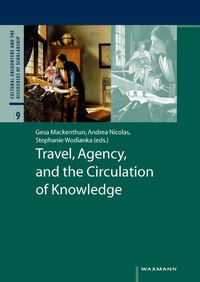
Travel, Agency, and the Circulation of Knowledge
1st Edition
Published on 1. March 2017
316 pages
978-3-8309-8567-9 (ISBN)
Description

Ever since the Gilgamesh epic and Homer's Odyssey, stories of travel and adventure, whether 'fictional', 'factual', or a mix of both, have been crucial to the collective self-definition of human societies. Since the early modern period and the increased frequency of cross-cultural encounters, the literary motif of the journey became a significant ingredient of colonial imagination. The ideology of adventure, crucial to many works of literature, pervades Western discourses of economic expansion and scientific discovery, while anthropologists, seeking to document indigenous story traditions, encountered an oral archive not unlike that of their own. Travelistic texts (by 'culture heroes', explorers, colonial agents, missionaries, scientific explorers, refugees, and foreign visitors) often provide the semantic repertoire for descriptions of 'exotic' spaces and populations. The knowledge gained through physical encounters during journeys to foreign lands often functions to revise inherited ideas about 'cultures' - those of others as well as one's own. The topics 'travel' and 'travel writing' therefore invite us to address questions of reliability and verifiability.
This volume brings together experts from diverse disciplines and places around the globe whose work is concerned with the phenomenon and discourse of travel, transculturation, and the cross-cultural production of knowledge. The contributions reflect the recent shift in travel scholarship toward including the study of ideological conflicts within Europe's 'imperial gaze', as well as attempts at tracing the perspective of Europe's 'others', which frequently challenged colonial certainties and claims to intellectual supremacy.
This volume brings together experts from diverse disciplines and places around the globe whose work is concerned with the phenomenon and discourse of travel, transculturation, and the cross-cultural production of knowledge. The contributions reflect the recent shift in travel scholarship toward including the study of ideological conflicts within Europe's 'imperial gaze', as well as attempts at tracing the perspective of Europe's 'others', which frequently challenged colonial certainties and claims to intellectual supremacy.
More details
Other editions
Additional editions
Gesa Mackenthun | Andrea Nicolas | Stephanie Wodianka
Travel, Agency, and the Circulation of Knowledge
Book
03/2017
1st Edition
Waxmann
€34.90
Shipment within 7-9 days
Content
1 - Book Cover [Seite 1]
1.1 - Imprint [Seite 4]
1.2 - Contents [Seite 5]
2 - Introduction (Gesa Mackenthun, Andrea Nicolas, and Stephanie Wodianka) [Seite 7]
2.1 - Travel: Approaching the Term [Seite 7]
2.2 - Travel, Trade, and the Expansion of Europe [Seite 9]
2.3 - Travel as Text and Discourse [Seite 11]
2.4 - Travel and Knowledge Circulation [Seite 13]
2.5 - Travel and the 'Violence' of Ethnographic Knowledge [Seite 15]
2.6 - Local Knowledge, 'Travelees', and Counter Journeys [Seite 18]
2.7 - Travel as Theory Metaphor [Seite 20]
2.8 - Chapter Summaries [Seite 22]
2.9 - Works Cited [Seite 30]
3 - Chapter One. Travel/Landscapes. Wor(l)ds on Their Way to Transareal Travel Literature (Ottmar Ette) [Seite 39]
3.1 - Escaping Landscapes [Seite 39]
3.2 - Nomadic Knowledge [Seite 44]
3.3 - Longed-for Connections [Seite 49]
3.4 - Landscapes of Theory [Seite 54]
3.5 - Tropical Landscapes of Islands [Seite 57]
3.6 - Beginnings and Endings of the Travel Report [Seite 63]
3.7 - Abandoning the Central Perspective [Seite 66]
3.8 - Works Cited [Seite 71]
4 - Chapter Two. Circulating Knowledge on Nature: Travelers and Informants, and the Changing Geography of Linnaean Natural History (Hanna Hodacs) [Seite 75]
4.1 - Moving on - Traveling and Careers in Eighteenth-Century Europe [Seite 77]
4.2 - Informants, Naturalists, and the Circulation of Knowledge [Seite 84]
4.3 - Conclusion [Seite 93]
4.4 - Works Cited [Seite 94]
5 - Chapter Three. The Arctic and the Cultural Archive: Adelbert von Chamisso's "Reise um die Welt"/"Voyage Round the World" (Gabriele Dürbeck) [Seite 99]
5.1 - Archive/Archives - Epistemological, Institutional, and Material Dimensions [Seite 101]
5.2 - Chamisso's Travelogue as an Intertextual Archive [Seite 102]
5.3 - Collection, Circulation of Knowledge, and Power [Seite 106]
5.4 - Ethnographical Interest and Detailed Descriptions [Seite 112]
5.5 - Concluding Remarks [Seite 114]
5.6 - Works Cited [Seite 115]
6 - Chapter Four. Pathfinders in Latin America: The Travelogues of Lucio V. Mansilla and Désiré Charnay (Leila Gómez) [Seite 121]
6.1 - Mansilla's Pathfinders: Maps and Love [Seite 122]
6.2 - The Female Pathfinder's Love [Seite 128]
6.3 - Désiré Charnay in Mexico and the Pathfinder as a Witness of Modernity [Seite 131]
6.4 - Conclusion [Seite 136]
6.5 - Works Cited [Seite 137]
7 - Chapter Five. Telling Dreams: Oneiric Circulation in Early Modern 'New France' (Mary Baine Campbell) [Seite 139]
8 - Chapter Six. "Communication That Belongs To No One"? Reading the Vocabularies and Dialogues in James Isham's "Observations on Hudson's Bay" (1743) (Bruce Greenfield) [Seite 163]
8.1 - Writing for the Hudson's Bay Company [Seite 167]
8.2 - Isham's Vocabularies and Dialogues [Seite 170]
8.3 - Works Cited [Seite 179]
9 - Chapter Seven. "Hell For Horses, Paradise For Women": Power and Identity in Nineteenth-Century North African Narratives of Travel to Europe (Daniel Newman) [Seite 183]
9.1 - The Travelers [Seite 187]
9.2 - The Travelogues [Seite 190]
9.3 - Works Cited [Seite 196]
10 - Chapter Eight. Interrogating Travelers: On the Production of Western Knowledge in Early Modern Japan (Michael Harbsmeier) [Seite 201]
11 - Chapter Nine. Traveling Texts: De-orientalizing Marco Polo's "Le Devisement du monde" (Sharon Kinoshita) [Seite 223]
11.1 - Marco Polo in the Popular Imagination [Seite 226]
11.2 - Marco Polo and the Genealogies of Orientalism [Seite 229]
11.3 - The World Empire of Letters [Seite 238]
11.4 - Works Cited [Seite 241]
12 - Chapter Ten. The Medium is the Knapsack. Johann Gottfried Seume's Travelogue "Spaziergang nach Syrakus im Jahre 1802" (Rupert Gaderer) [Seite 247]
13 - Chapter Eleven. Rome, Lieu de Connaissance, Lieu de l'Écriture (Friedrich Wolfzettel) [Seite 263]
13.1 - Le Roman Sentimental Féminin [Seite 265]
13.2 - Le Roman Historique et Social [Seite 267]
13.3 - Le Roman Réaliste et l'Enquête Naturaliste [Seite 268]
14 - Chapter Twelve. The Story of Kazimierz Nowak - the Man who Traveled Across Africa on Bicycle and Horseback in the 1930s, and the Aftermath of his Journey (?ukasz Wierzbicki) [Seite 281]
15 - Chapter Thirteen. The Tourist 'Thing' in the Age of Digital Reproduction (Dean MacCannell) [Seite 295]
15.1 - The Divided Subject [Seite 295]
15.2 - Split Subjects in Motion [Seite 296]
15.3 - Durkheim's 'Thing' [Seite 297]
15.4 - The Tourist Object and its Field of Force [Seite 299]
15.5 - How is the Tourist Thing Different from Things in General? [Seite 300]
15.6 - How is the Tourist Thing Similar to Things in General? [Seite 301]
15.7 - Tourist Imagery as a Positive Force Field [Seite 301]
15.8 - The Divisions of the Tourist Object [Seite 302]
15.9 - Tourist Imagery as a Negative Force Field - Virtual Travel? [Seite 302]
15.10 - The Symbolic [Seite 305]
15.11 - Conclusion [Seite 306]
15.12 - Works Cited [Seite 307]
16 - Contributors [Seite 309]
1.1 - Imprint [Seite 4]
1.2 - Contents [Seite 5]
2 - Introduction (Gesa Mackenthun, Andrea Nicolas, and Stephanie Wodianka) [Seite 7]
2.1 - Travel: Approaching the Term [Seite 7]
2.2 - Travel, Trade, and the Expansion of Europe [Seite 9]
2.3 - Travel as Text and Discourse [Seite 11]
2.4 - Travel and Knowledge Circulation [Seite 13]
2.5 - Travel and the 'Violence' of Ethnographic Knowledge [Seite 15]
2.6 - Local Knowledge, 'Travelees', and Counter Journeys [Seite 18]
2.7 - Travel as Theory Metaphor [Seite 20]
2.8 - Chapter Summaries [Seite 22]
2.9 - Works Cited [Seite 30]
3 - Chapter One. Travel/Landscapes. Wor(l)ds on Their Way to Transareal Travel Literature (Ottmar Ette) [Seite 39]
3.1 - Escaping Landscapes [Seite 39]
3.2 - Nomadic Knowledge [Seite 44]
3.3 - Longed-for Connections [Seite 49]
3.4 - Landscapes of Theory [Seite 54]
3.5 - Tropical Landscapes of Islands [Seite 57]
3.6 - Beginnings and Endings of the Travel Report [Seite 63]
3.7 - Abandoning the Central Perspective [Seite 66]
3.8 - Works Cited [Seite 71]
4 - Chapter Two. Circulating Knowledge on Nature: Travelers and Informants, and the Changing Geography of Linnaean Natural History (Hanna Hodacs) [Seite 75]
4.1 - Moving on - Traveling and Careers in Eighteenth-Century Europe [Seite 77]
4.2 - Informants, Naturalists, and the Circulation of Knowledge [Seite 84]
4.3 - Conclusion [Seite 93]
4.4 - Works Cited [Seite 94]
5 - Chapter Three. The Arctic and the Cultural Archive: Adelbert von Chamisso's "Reise um die Welt"/"Voyage Round the World" (Gabriele Dürbeck) [Seite 99]
5.1 - Archive/Archives - Epistemological, Institutional, and Material Dimensions [Seite 101]
5.2 - Chamisso's Travelogue as an Intertextual Archive [Seite 102]
5.3 - Collection, Circulation of Knowledge, and Power [Seite 106]
5.4 - Ethnographical Interest and Detailed Descriptions [Seite 112]
5.5 - Concluding Remarks [Seite 114]
5.6 - Works Cited [Seite 115]
6 - Chapter Four. Pathfinders in Latin America: The Travelogues of Lucio V. Mansilla and Désiré Charnay (Leila Gómez) [Seite 121]
6.1 - Mansilla's Pathfinders: Maps and Love [Seite 122]
6.2 - The Female Pathfinder's Love [Seite 128]
6.3 - Désiré Charnay in Mexico and the Pathfinder as a Witness of Modernity [Seite 131]
6.4 - Conclusion [Seite 136]
6.5 - Works Cited [Seite 137]
7 - Chapter Five. Telling Dreams: Oneiric Circulation in Early Modern 'New France' (Mary Baine Campbell) [Seite 139]
8 - Chapter Six. "Communication That Belongs To No One"? Reading the Vocabularies and Dialogues in James Isham's "Observations on Hudson's Bay" (1743) (Bruce Greenfield) [Seite 163]
8.1 - Writing for the Hudson's Bay Company [Seite 167]
8.2 - Isham's Vocabularies and Dialogues [Seite 170]
8.3 - Works Cited [Seite 179]
9 - Chapter Seven. "Hell For Horses, Paradise For Women": Power and Identity in Nineteenth-Century North African Narratives of Travel to Europe (Daniel Newman) [Seite 183]
9.1 - The Travelers [Seite 187]
9.2 - The Travelogues [Seite 190]
9.3 - Works Cited [Seite 196]
10 - Chapter Eight. Interrogating Travelers: On the Production of Western Knowledge in Early Modern Japan (Michael Harbsmeier) [Seite 201]
11 - Chapter Nine. Traveling Texts: De-orientalizing Marco Polo's "Le Devisement du monde" (Sharon Kinoshita) [Seite 223]
11.1 - Marco Polo in the Popular Imagination [Seite 226]
11.2 - Marco Polo and the Genealogies of Orientalism [Seite 229]
11.3 - The World Empire of Letters [Seite 238]
11.4 - Works Cited [Seite 241]
12 - Chapter Ten. The Medium is the Knapsack. Johann Gottfried Seume's Travelogue "Spaziergang nach Syrakus im Jahre 1802" (Rupert Gaderer) [Seite 247]
13 - Chapter Eleven. Rome, Lieu de Connaissance, Lieu de l'Écriture (Friedrich Wolfzettel) [Seite 263]
13.1 - Le Roman Sentimental Féminin [Seite 265]
13.2 - Le Roman Historique et Social [Seite 267]
13.3 - Le Roman Réaliste et l'Enquête Naturaliste [Seite 268]
14 - Chapter Twelve. The Story of Kazimierz Nowak - the Man who Traveled Across Africa on Bicycle and Horseback in the 1930s, and the Aftermath of his Journey (?ukasz Wierzbicki) [Seite 281]
15 - Chapter Thirteen. The Tourist 'Thing' in the Age of Digital Reproduction (Dean MacCannell) [Seite 295]
15.1 - The Divided Subject [Seite 295]
15.2 - Split Subjects in Motion [Seite 296]
15.3 - Durkheim's 'Thing' [Seite 297]
15.4 - The Tourist Object and its Field of Force [Seite 299]
15.5 - How is the Tourist Thing Different from Things in General? [Seite 300]
15.6 - How is the Tourist Thing Similar to Things in General? [Seite 301]
15.7 - Tourist Imagery as a Positive Force Field [Seite 301]
15.8 - The Divisions of the Tourist Object [Seite 302]
15.9 - Tourist Imagery as a Negative Force Field - Virtual Travel? [Seite 302]
15.10 - The Symbolic [Seite 305]
15.11 - Conclusion [Seite 306]
15.12 - Works Cited [Seite 307]
16 - Contributors [Seite 309]
