

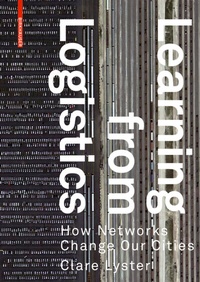
Learning from Logistics
Description

Im 19. Jahrhundert bildeten Eisenbahntrassen und Kanäle gleichzeitig Gerüst und Motor für die Stadtentwicklung. Diese Rolle übernehmen heute die globalen Daten- und Warenströme - so die These der Autorin. Die Material- und Kommunikationsfluss stellt gleichsam die DNA unserer Umwelt dar. Diese Entwicklung hat enorme und zum Teil noch unabsehbare Auswirkungen auf unsere Städte. Logistik-Netze und deren komplexe Struktur machen zunehmend ihren Einfluss in vielen städtischen Bereichen geltend. Auch Gegenbewegungen zum Internet-Handel - als einem der greifbarsten Phänomene - formieren sich, wie die allgegenwärtige Kritik an den dazugehörigen Arbeitsbedingungen und der Trend zum regionalen Produkt zeigen.
Die Autorin beschreibt die aktuelle Entwicklung und geht ihren Auswirkungen auf Architektur, Landschaftsarchitektur und Urbanismus nach: Die Fragen der heutigen Hypermobilität von Waren wie von Menschen finden Eingang in die Entwurfsarbeit und erzeugen neue Paradigmen für Architektur und Städtebau. Erste Ansätze einer Integration dieser Aspekte werden beispielhaft an urbanistischen Projekten vorgestellt.
More details
Other editions
Additional editions
Person
Content
- Intro
- Contents
- Introduction
- Emerging Protocols of Post-Fordist Flow
- Lessons
- 1. Site. Urbanism After Geography: The Network is Context
- 2. Plan. Double Vision: Total Design, Total Choice
- 3. Zone. Split Second City: Time as Vehicle for Urbanism
- 4. Circulation. Urbanism On Demand: The City as Service Platform
- 5. Architecture. Smart Landscape, Dumb Building: Ground Rules
- Apply
- Conclusion: Logistical Narratives
- Logistical Players
- Appendix
- Acknowledgements
- Image Credits
- Index
- About the Author
