

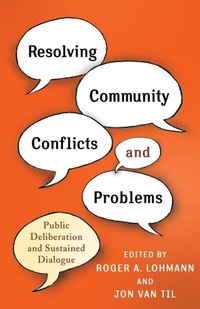
Resolving Community Conflicts and Problems
Public Deliberation and Sustained Dialogue
1st Edition
Published on 25. September 2015
384 pages
978-0-231-52528-2 (ISBN)
Description

Public deliberation and group discussion can strengthen the foundations of civil society, even when the groups engaged in debate share a history of animosity. Scholars have begun to study the dialogue sustaining these conversations, especially its power to unite and divide groups and individuals. The twenty-four essays in this collection analyze public exchanges and the nature of sustained dialogue within the context of race relations, social justice, ethnic conflicts, public-safety issues, public management, community design, and family therapy. They particularly focus on college campuses and the networks of organizations and actors that have found success there. Open discussion may seem like an idealistic if not foolhardy gesture in such milieus, yet in fact the practice proves crucial to establishing and reinforcing civic harmony.
All prices
More details
Other editions
Additional editions
Roger A. Lohmann | Jon Van Til | Dolly Ford
Resolving Community Conflicts and Problems
Public Deliberation and Sustained Dialogue
Book
10/2011
Columbia University Press
€76.82
Article not available at the moment
Persons
Roger A. Lohmann is emeritus professor of social work at West Virginia University, where he was the founder of the Nova Institute. He is also president of the theory section of the Association for Research on Nonprofit Organizations and Voluntary Action (ARNOVA), former editor of the Nonprofit Management and Leadership Journal, and the author of numerous publications, including Breaking Even: Financial Management in Nonprofit Human Services and The Commons: New Perspectives on Nonprofit Organizations, Voluntary Action, and Philanthropy.
Jon Van Til is professor emeritus of urban studies and community planning at Rutgers University. He is also past president of ARNOVA, the former editor in chief of the Nonprofit and Voluntary Sector Quarterly, executive secretary of the Civil Society Design Network, and author of publications that include Mapping the Third Sector: Voluntarism in a Changing Social Economy; Growing Civil Society: From Nonprofit Sector to Third Space; and Breaching Derry's Walls: The Quest for a Lasting Peace in Northern Ireland.
Jon Van Til is professor emeritus of urban studies and community planning at Rutgers University. He is also past president of ARNOVA, the former editor in chief of the Nonprofit and Voluntary Sector Quarterly, executive secretary of the Civil Society Design Network, and author of publications that include Mapping the Third Sector: Voluntarism in a Changing Social Economy; Growing Civil Society: From Nonprofit Sector to Third Space; and Breaching Derry's Walls: The Quest for a Lasting Peace in Northern Ireland.
Content
Preface
Introduction: Sustained Dialogue and Public Deliberation: The Role of Public Conversation in a Growing Civil Society and Commons, by Roger Lohmann, Jon Van Til, and Dolly Ford
Section 1. Basic Statements
Introduction
1. The Structure of Sustained Dialogue and Public Deliberation, by Jon Van Til
2. The Sustained Dialogue Model: Transforming Relationships, Designing Change, by Harold H. Saunders and Priya Narayan Parker
3. Sustained Dialogue in Action, by Harold H. Saunders and Priya Narayan Parker
4. Sustained Dialogue and Public Deliberation: Making the Connection, by David Robinson
5. Let's Talk: Dialogue and Deliberation in Higher Education, by Lisa Bedinger
6. Deliberation, Dialogue, and Deliberative Democracy in Social Work Education and Practice, by Roger A. Lohmann and Nancy Lohmann
Section 2. Sustained Dialogue in Practice
Introduction
7. Diving In: A Handbook for Improving Race Relations on College Campuses Through the Process of Sustained Dialogue, by David Tukey and Teddy Nemeroff
8. Derry Exceptionalism and an Organic Model of Sustained Dialogue, by Nick Acheson and Carl Milofsky
9. The Role of Dialogue in Achieving Social Justice at a Large Public University, by Jennifer McIntosh and Charles Morris
10. A Public Safety Process: Sustained Dialogue for Situational Policing, by James J. Nolan, Norman Conti, and Corey Colyer
11. Facilitating Neighborhood Growth: A Commonsense Approach to Public Safety from the Relational Paradigm, by James J. Nolan, Ronald Althouse, and Jeri Kirby
Section 3. Public Deliberation in Practice
Introduction
12. The Deliberative Posture, by David Ryfe
13. Public Deliberation and Dialogue in Public Management, by David G. Williams
14. Deliberation and Dialogue and Commons Theory, by Roger A. Lohmann
15. Question Mapping: A Method for Organizing and Sustaining Dialogue, by Richard F. Ludeman and Erna Gelles
16. Applying Family Therapy Principles to the Body Politic Through Sustained Dialogue, by Neal Newfield and Susan Newfield
Section 4. Building Practice and Research
Introduction
17. Social Entrepreneurship in the Practice of Deliberation and Dialogue, by Roger A. Lohmann
18. The Future of Deliberation and Dialogue Studies, by Jon Van Til and Dolly Ford
List of Contributors
Appendix: Core Principles for Public Engagement
References
Index
Introduction: Sustained Dialogue and Public Deliberation: The Role of Public Conversation in a Growing Civil Society and Commons, by Roger Lohmann, Jon Van Til, and Dolly Ford
Section 1. Basic Statements
Introduction
1. The Structure of Sustained Dialogue and Public Deliberation, by Jon Van Til
2. The Sustained Dialogue Model: Transforming Relationships, Designing Change, by Harold H. Saunders and Priya Narayan Parker
3. Sustained Dialogue in Action, by Harold H. Saunders and Priya Narayan Parker
4. Sustained Dialogue and Public Deliberation: Making the Connection, by David Robinson
5. Let's Talk: Dialogue and Deliberation in Higher Education, by Lisa Bedinger
6. Deliberation, Dialogue, and Deliberative Democracy in Social Work Education and Practice, by Roger A. Lohmann and Nancy Lohmann
Section 2. Sustained Dialogue in Practice
Introduction
7. Diving In: A Handbook for Improving Race Relations on College Campuses Through the Process of Sustained Dialogue, by David Tukey and Teddy Nemeroff
8. Derry Exceptionalism and an Organic Model of Sustained Dialogue, by Nick Acheson and Carl Milofsky
9. The Role of Dialogue in Achieving Social Justice at a Large Public University, by Jennifer McIntosh and Charles Morris
10. A Public Safety Process: Sustained Dialogue for Situational Policing, by James J. Nolan, Norman Conti, and Corey Colyer
11. Facilitating Neighborhood Growth: A Commonsense Approach to Public Safety from the Relational Paradigm, by James J. Nolan, Ronald Althouse, and Jeri Kirby
Section 3. Public Deliberation in Practice
Introduction
12. The Deliberative Posture, by David Ryfe
13. Public Deliberation and Dialogue in Public Management, by David G. Williams
14. Deliberation and Dialogue and Commons Theory, by Roger A. Lohmann
15. Question Mapping: A Method for Organizing and Sustaining Dialogue, by Richard F. Ludeman and Erna Gelles
16. Applying Family Therapy Principles to the Body Politic Through Sustained Dialogue, by Neal Newfield and Susan Newfield
Section 4. Building Practice and Research
Introduction
17. Social Entrepreneurship in the Practice of Deliberation and Dialogue, by Roger A. Lohmann
18. The Future of Deliberation and Dialogue Studies, by Jon Van Til and Dolly Ford
List of Contributors
Appendix: Core Principles for Public Engagement
References
Index
Read the >introdution to Resolving Community Conflicts and Problems: Public Deliberation and Sustained Dialogue.

