

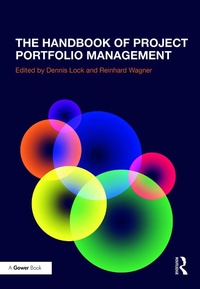
The Handbook of Project Portfolio Management
Published on 9. October 2018
442 pages
978-1-351-79751-1 (ISBN)
Description

Managing large and complex organizations; balancing the needs of business-as-usual, new products and services and business change; assuring risk across everything the business does; these are all core requirements of modern business which are provided by the discipline of portfolio management.
The Handbook of Project Portfolio Management is the definitive publication that introduces and describes in detail project portfolio management in today's ever-changing world. The handbook contains the essential knowledge required for managing portfolios of business change with real-life examples that are being used by today's organizations in various industries and environments. The team of expert contributors includes many of the most experienced and highly regarded international writers and practitioners from the global project portfolio management industry, selected to provide the reader with examples, knowledge and the skills required to manage portfolios in any organization.
Dennis Lock and Reinhard Wagner's definitive reference on project portfolio management explains: the context and role of the discipline; the practical processes, tools and techniques required for managing portfolios successfully; the capability required and how to develop it. The text also covers the recognized standards as well as emerging issues such as sustainability and environment. Collectively, this is a must-have guide from the leading commentators and practitioners on project portfolio management from across the world.
The Handbook of Project Portfolio Management is the definitive publication that introduces and describes in detail project portfolio management in today's ever-changing world. The handbook contains the essential knowledge required for managing portfolios of business change with real-life examples that are being used by today's organizations in various industries and environments. The team of expert contributors includes many of the most experienced and highly regarded international writers and practitioners from the global project portfolio management industry, selected to provide the reader with examples, knowledge and the skills required to manage portfolios in any organization.
Dennis Lock and Reinhard Wagner's definitive reference on project portfolio management explains: the context and role of the discipline; the practical processes, tools and techniques required for managing portfolios successfully; the capability required and how to develop it. The text also covers the recognized standards as well as emerging issues such as sustainability and environment. Collectively, this is a must-have guide from the leading commentators and practitioners on project portfolio management from across the world.
More details
Language
English
Place of publication
London
United Kingdom
Publishing group
Taylor & Francis Ltd
Target group
Professional and scholarly
Illustrations
118 Line drawings, black and white
File size
8,16 MB
ISBN-13
978-1-351-79751-1 (9781351797511)
Copyright in bibliographic data and cover images is held by Nielsen Book Services Limited or by the publishers or by their respective licensors: all rights reserved.
Schweitzer Classification
Other editions
Additional editions
Dennis Lock | Reinhard Wagner
The Handbook of Project Portfolio Management
Book
06/2024
1st Edition
Routledge
€59.60
Shipment within 10-20 days
Dennis Lock | Reinhard Wagner
The Handbook of Project Portfolio Management
Book
10/2018
1st Edition
Routledge
€215.41
Shipment within 10-20 days
Persons
Dennis Lock began his career as an electronics engineer in a research laboratory but subsequently served many successful years in project and administration management. Dennis has carried out consultancy assignments in Europe and the US, and was for eight years an external lecturer in project management to Master's degree students at two British universities. He is a best-selling author and has written or edited over 60 books, many published in multiple languages. He is a fellow of the APM, member of the Chartered Management Institute and is now a freelance writer.
Reinhard Wagner has gained more than 30 years of project-related leadership experience in sectors such as air defence, automotive engineering, machinery and not-for-profit organizations. As Certified Projects Director (IPMA Level A), he is experienced in managing projects, programmes and project portfolios in a complex and dynamic context. For more than 15 years, he has been actively involved in the development of project, programme and portfolio management standards. Reinhard is Past President and Chairman of the Council of the International Project Management Association (IPMA), Honorary Chairman of the German Project Management Association (GPM) and Managing Director of Tiba Managementberatung GmbH.
Reinhard Wagner has gained more than 30 years of project-related leadership experience in sectors such as air defence, automotive engineering, machinery and not-for-profit organizations. As Certified Projects Director (IPMA Level A), he is experienced in managing projects, programmes and project portfolios in a complex and dynamic context. For more than 15 years, he has been actively involved in the development of project, programme and portfolio management standards. Reinhard is Past President and Chairman of the Council of the International Project Management Association (IPMA), Honorary Chairman of the German Project Management Association (GPM) and Managing Director of Tiba Managementberatung GmbH.
Content
List of Figures,
About the Editors,
Notes on the Contributors,
Preface,
PART I , Foundations of Portfolio Management,
1 Basic Concepts and Definitions of Portfolios and their Management, STEVE BUTLER,
2 Delivering Organizational Strategy with Portfolio Management, MARTIN SEDLMAYER,
3 The Value of Portfolio Management, MICHAEL YOUNG,
4 Relevance of Portfolios and Portfolio Management in Today's Organizations, THOMAS WALENTA,
5 Portfolio Components: How Everything Fits Together, PAUL GARDINER,
6 Different Types of Project Portfolios and Settings, DARREN DALCHER,
PART II, The Practice of Portfolio Management,
7 Best Practice Standards for Portfolio Management, REINHARD WAGNER,
8 Portfolio Management for IT, TETSURO SEKI and AKIHIKO SEKIGUCHI,
9 Portfolio Management for Research, STEVE BUTLER,
10 Portfolio Management for Product Development, MANJA GREIMEIER,
11 Portfolio Management for Strategic Change, FIONA SPENCER,
12 Portfolio Management for Business Development, CHRISTOF RINK,
13 Portfolio Management in a Bank, PHILIPP DETEMPLE,
14 The Incheon Bridge Project, SOOHONG KIM,
15 Portfolio Management in Public Institutions, SILKE SCHOENERT and MICHAEL MUENZBERG,
16 Portfolio Management in Non-Governmental Organizations, SUBAS SUBEDI and REINHARD WAGNER,
PART III, Prerequisites for Portfolio Management,
17 Portfolio Governance, STEVE BUTLER,
18 Portfolio Management Roles and Responsibilities, AFSHIN FARAMANDLOU,
19 Alignment with Organizational Structures, Management Systems and Processes, ELVIRA MOLITOR,
20 The Enterprise Portfolio Management Office, EMMA-RUTH ARNAZ PEMBERTON,
21 Portfolio Communications and Management Data, DENNIS LOCK,
22 Competence Requirements for Managing Portfolios, ALISTAIR GODBOLD,
23 Key Performance Indicators for Managing a Portfolio and its Components, STUART DIXON,
24 Portfolio Management Software and Tools, MEY MARK MEYER,
PART IV, Managing Portfolios,
25 Defining the Portfolio, ROBERT BUTTRICK,
26 Identifying, Selecting and Prioritizing the Portfolio and its Components, KNUT KAEMPFERT,
27 Planning the Portfolio and its Components, JOERG SEIDL,
28 Evaluating and Reporting Portfolio Performance, JOERG FLOEGEL and ELENA METOUI,
29 Balancing and Optimizing the Portfolio, CLAUS HUESSELMAN,
30 Portfolio-Level Benefits Management, STEPHEN JENNER,
31 Portfolio-Level Risk Management, MARTIN HABERSTROH,
32 Managing Resources at Portfolio Level, ALAN SUMMERFIELD,
33 Portfolio-Level Change Management, MICHAEL HORLEBEIN,
34 Portfolio-Level People Management, JOHN CHAPMAN,
PART V, Developing Capabilities in Portfolio Management,
35 Introducing Portfolio Management in Organizations, REINHARD WAGNER,
36 Assessing and Developing Portfolio Management Maturity, REINHARD WAGNER,
37 Developing the Individual Competences of People Engaged in Portfolio Management, REINHARD WAGNER,
38 How People Impact the Adoption and Practice of Portfolio Management, DONNIE MACNICOL and ADRIAN DOOLEY,
39 Ten Questions and Answers for Executives Engaged in Portfolios, ALICIA AITKEN, Abbreviations and acronyms,
Index,
About the Editors,
Notes on the Contributors,
Preface,
PART I , Foundations of Portfolio Management,
1 Basic Concepts and Definitions of Portfolios and their Management, STEVE BUTLER,
2 Delivering Organizational Strategy with Portfolio Management, MARTIN SEDLMAYER,
3 The Value of Portfolio Management, MICHAEL YOUNG,
4 Relevance of Portfolios and Portfolio Management in Today's Organizations, THOMAS WALENTA,
5 Portfolio Components: How Everything Fits Together, PAUL GARDINER,
6 Different Types of Project Portfolios and Settings, DARREN DALCHER,
PART II, The Practice of Portfolio Management,
7 Best Practice Standards for Portfolio Management, REINHARD WAGNER,
8 Portfolio Management for IT, TETSURO SEKI and AKIHIKO SEKIGUCHI,
9 Portfolio Management for Research, STEVE BUTLER,
10 Portfolio Management for Product Development, MANJA GREIMEIER,
11 Portfolio Management for Strategic Change, FIONA SPENCER,
12 Portfolio Management for Business Development, CHRISTOF RINK,
13 Portfolio Management in a Bank, PHILIPP DETEMPLE,
14 The Incheon Bridge Project, SOOHONG KIM,
15 Portfolio Management in Public Institutions, SILKE SCHOENERT and MICHAEL MUENZBERG,
16 Portfolio Management in Non-Governmental Organizations, SUBAS SUBEDI and REINHARD WAGNER,
PART III, Prerequisites for Portfolio Management,
17 Portfolio Governance, STEVE BUTLER,
18 Portfolio Management Roles and Responsibilities, AFSHIN FARAMANDLOU,
19 Alignment with Organizational Structures, Management Systems and Processes, ELVIRA MOLITOR,
20 The Enterprise Portfolio Management Office, EMMA-RUTH ARNAZ PEMBERTON,
21 Portfolio Communications and Management Data, DENNIS LOCK,
22 Competence Requirements for Managing Portfolios, ALISTAIR GODBOLD,
23 Key Performance Indicators for Managing a Portfolio and its Components, STUART DIXON,
24 Portfolio Management Software and Tools, MEY MARK MEYER,
PART IV, Managing Portfolios,
25 Defining the Portfolio, ROBERT BUTTRICK,
26 Identifying, Selecting and Prioritizing the Portfolio and its Components, KNUT KAEMPFERT,
27 Planning the Portfolio and its Components, JOERG SEIDL,
28 Evaluating and Reporting Portfolio Performance, JOERG FLOEGEL and ELENA METOUI,
29 Balancing and Optimizing the Portfolio, CLAUS HUESSELMAN,
30 Portfolio-Level Benefits Management, STEPHEN JENNER,
31 Portfolio-Level Risk Management, MARTIN HABERSTROH,
32 Managing Resources at Portfolio Level, ALAN SUMMERFIELD,
33 Portfolio-Level Change Management, MICHAEL HORLEBEIN,
34 Portfolio-Level People Management, JOHN CHAPMAN,
PART V, Developing Capabilities in Portfolio Management,
35 Introducing Portfolio Management in Organizations, REINHARD WAGNER,
36 Assessing and Developing Portfolio Management Maturity, REINHARD WAGNER,
37 Developing the Individual Competences of People Engaged in Portfolio Management, REINHARD WAGNER,
38 How People Impact the Adoption and Practice of Portfolio Management, DONNIE MACNICOL and ADRIAN DOOLEY,
39 Ten Questions and Answers for Executives Engaged in Portfolios, ALICIA AITKEN, Abbreviations and acronyms,
Index,
