

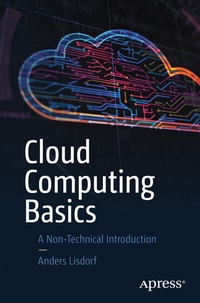
Cloud Computing Basics
Description

Get an introduction to the basics of cloud computing and all five major cloud platforms. Author Anders Lisdorf ensures that you gain a fundamental cloud vocabulary and learn how to translate industry terms used by different vendors. Leveraging the economic and security benefits that the cloud provides can look very different for each organization, and Lisdorf uses his expertise to help you adapt your strategy accordingly.
Cloud Computing Basics is here to bring your organization into the future. Whether you are a beginner on the topic or a tech leader kick-starting change within your company, this book provides essential insights for cloud adoption and its benefits for our modern digital era. Do not get left behind, and add Cloud Computing Basics to your tech bookshelf today.
What You Will Learn
- Understand what the cloud is and how it differs from traditional on-premise solutions
- Gain a fundamental cloud vocabulary and learn how to translate between it and the terms used by different vendors
- Know the main components of the cloud and how they are used
- Be aware of the vendors in the cloud market, their strengths and weaknesses, and what to expect from them
- Tailor the optimal cloud solution to the organizational context
- Study different approaches to cloud adoption and the contexts in which they are suitable so you can determine how your organization will get the most benefit from the cloud
Who This Book Is For
A general business audience that wants to catch up on the basics of cloud computing in order to have informed conversations with technical professionals and vendors. The book is for anyone interested in a deeper understanding of what the cloud is, where it came from, and how it will impact every organization in the future. A basic understanding of information technology helps, but is not required.
Reviews / Votes
"Many companies are considering moving components of their operations to the cloud. If you are a manager or developer for a company in a similar situation, you need to read this book." (G. K. Jenkins, Computing Reviews, March 22, 2022)More details
Other editions
Additional editions
Person
Anders Lisdorf has worked with bridging on-premise and cloud technologies for more than a decade in many different types of companies and industries. Over the last few years he has been working as a consultant helping customers transition to the cloud. He is also an experienced entrepreneur building cloud-native Software as a Service products.
Content
Chapter 1: Cloud Foundations.- Chapter 2: Why Cloud.- Chapter 3: The Genealogy of Cloud Computing.- Chapter 4: IBM.- Chapter 5: Oracle .- Chapter 6: Microsoft.- Chapter 7: Amazon.- Chapter 8: Google.- Chapter 9: Cloud Vendor Profiles.- Chapter 10: Cloud Technology.- Chapter 11: Securing the Cloud.- Chapter 12: Cloud Economy.- Chapter 13: Working with the Cloud.- Chapter 14: Adopting the Cloud.-
