


The Amputated Memory
Description

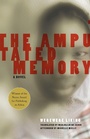
A modern-day Things Fall Apart, The Amputated Memory explores the ways in which an African woman's memory preserves, and strategically forgets, moments in her tumultuous past as well as the cultural past of her country, in the hopes of making a healthier future possible.
Pinned between the political ambitions of her philandering father, the colonial and global influences of encroaching and exploitative governments, and the traditions of her Cameroon village, Halla Njokè recalls childhood traumas and reconstructs forgotten experiences to reclaim her sense of self. Winner of the Noma Award?previous honorees include Mamphela Ramphele, Ngugi wa Thiong'o, and Ken Saro-Wiwa?The Amputated Memory was called by the Noma jury ?a truly remarkable achievement . . . a deeply felt presentation of the female condition in Africa; and a celebration of women as the country's memory.?
More details
Other editions
Additional editions
Persons
Since 1978, Cameroon-born artiste extraordinaire Werewere Liking has been living in the Ivory Coast, where she established the Village Ki-Yi, a self-supporting center for the performing and fine arts. A singer, dancer, actor, playwright, songwriter, and author of two titles previously published in the United States, Liking has been honored across the globe for her writing and theater work; she has performed at such venues as the Kennedy Center.
Marjolijn de Jager teaches French, Dutch, and literary translation at New York University and works as an independent literary translator.
Michelle Mielly received her PhD from Harvard University and is now teaching in the Department of Comparative Literature at Pennsylvania State University.
Content
- Front Cover
- Half Title
- Title Page
- Copyright Page
- Epigraph
- Translator's Note
- MOVEMENT ZERO
- Chapter 1
- MOVEMENT ONE
- Chapter 1
- Chapter 2
- Chapter 3
- Chapter 4
- Chapter 5
- Chapter 6
- Chapter 7
- Chapter 8
- MOVEMENT TWO
- Chapter 9
- MOVEMENT THREE
- Chapter 10
- Chapter 11
- Chapter 12
- Chapter 13
- Chapter 14
- Chapter 15
- Chapter 16
- MOVEMENT FOUR
- Chapter 17
- Chapter 18
- Chapter 19
- Chapter 20
- Chapter 21
- MOVEMENT FIVE
- Chapter 22
- MOVEMENT SIX
- Chapter 23
- Chapter 24
- MOVEMENT SEVEN
- Chapter 25
- Chapter 26
- Chapter 27
- Chapter 28
- MOVEMENT EIGHT
- Chapter 29
- Chapter 30
- Chapter 31
- Chapter 32
- MOVEMENT NINE
- Chapter 33
- Chapter 34
- MOVEMENT TEN
- Chapter 35
- Chapter 36
- MOVEMENT ELEVEN
- Chapter 37
- Chapter 38
- Chapter 39
- Chapter 40
- Chapter 41
- Chapter 42
- Chapter 43
- MOVEMENT TWELVE
- Chapter 44
- Chapter 45
- Chapter 46
- MOVEMENT THIRTEEN
- Chapter 47
- Chapter 48
- Glossary
- Afterword
- About The Feminist Press
