


Glycemic Index Food Guide
Published on 26. April 2012
160 pages
978-0-7570-5245-3 (ISBN)
Description

The glycemic index (GI) is an important nutritional tool. By indicating how quickly a given food triggers a rise in blood sugar, the GI enables you to choose foods that can help you manage a variety of conditions and improve your overall health.
Written by leading nutritionist Dr. Shari Lieberman, this book was designed as an easy-to-use guide to the glycemic index. The book first answers commonly asked questions, ensuring that you understand the GI and know how to use it. It then provides the glycemic index and glycemic load of hundreds of foods and beverages, including raw foods, cooked foods, and many combination and prepared foods. Whether you are interested in controlling your glucose levels to manage your diabetes, lose weight, increase your heart health, or simply enhance your well-being, the Glycemic Index Food Guide is the best place to start.
Written by leading nutritionist Dr. Shari Lieberman, this book was designed as an easy-to-use guide to the glycemic index. The book first answers commonly asked questions, ensuring that you understand the GI and know how to use it. It then provides the glycemic index and glycemic load of hundreds of foods and beverages, including raw foods, cooked foods, and many combination and prepared foods. Whether you are interested in controlling your glucose levels to manage your diabetes, lose weight, increase your heart health, or simply enhance your well-being, the Glycemic Index Food Guide is the best place to start.
More details
Other editions
Additional editions
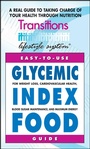
Shari Lieberman
Easy-To-Use Glycemic Index Food Guide
A Real Guide to Taking Charge of Your Health Through Nutrition
Book
10/2007
Square One Publishers
€10.00
Shipment within 10-20 days
Person
Shari Lieberman, PhD, earned her doctorate in Clinical Nutrition and Exercise Physiology from The Union Institute in Cincinnati, Ohio.
Content
- Intro
- Title
- Copyright
- Contents
- Dedication
- Acknowledgments
- Introduction
- Part One: Frequently Asked Questions About the Glycemic Index
- Understanding Carbohydrates
- What are carbohydrates?
- Are there different types of carbohydrates?
- How are different carbohydrates metabolized by the body?
- What does this have to do with the glycemic index?
- Understanding the Glycemic Index
- What is the glycemic index?
- Why is the glycemic index important?
- How is the glycemic index of a food calculated?
- Why do certain foods within the same food group have different rankings on the GI?
- How is it possible that a plain baked potato has a higher GI value than potato chips?
- Why is pasta ranked as a low-glycemic food?
- Why isn't sugar ranked high on the GI?
- Certain foods such as meat, fish, and even some vegetables are not ranked on the glycemic index. Why?
- Why don't alcoholic beverages have GI numbers? Aren't they made from high-carbohydrate ingredients?
- Does eating more of a food cause its GI number to increase?
- What is glycemic load?
- Why is glycemic load so important?
- Do I have to give up my favorite high-GI foods?
- What factors can affect the GI of a food, making it higher or lower than shown on GI tables?
- Can I estimate the GI of a packaged food that isn't included in the table?
- Health Disorders Associated with the Glycemic Index
- How are high-GI foods associated with diabetes?
- How are high-GI foods associated with obesity?
- How are high-GI foods associated with cardiovascular disease?
- How are high-GI foods associated with metabolic syndrome?
- How are high-GI foods associated with cancer?
- How are high-GI foods associated with fatigue?
- How can a low-GI diet improve your health?
- Part Two: The Glycemic Index Food Guide
- How to Use This Table
- The Glycemic Index Food Guide
- Glossary
- Helpful Websites
- About the Author
- Index
