

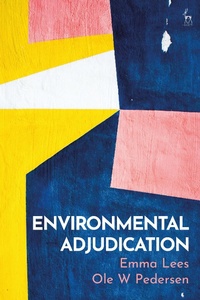
Environmental Adjudication
1st Edition
Published on 17. September 2020
272 pages
978-1-5099-3147-7 (ISBN)
Description

This book provides a detailed study of the role of the judiciary in environmental law. It examines theoretical issues concerning the role of judges, taking account of different legal cultures and contexts, exploring the multifaceted pressures which rest on the shoulders of courts when navigating the tensions between maintaining neutrality, resolving disputes, and providing guidance and assistance for future courts, policy-makers and decision-makers. In addition, it explores the particular challenges which arise in an environmental context, before articulating the range of environmental dispute 'models' which can and do exist in the context of the environmental law of England and Wales.
The second part of the book looks at the consequences of these findings, and explores the relationship between adjudication and coherence before concluding with an exploration of what constitutes 'good' environmental adjudication.
The second part of the book looks at the consequences of these findings, and explores the relationship between adjudication and coherence before concluding with an exploration of what constitutes 'good' environmental adjudication.
More details
Edition
1. Auflage
Language
English
Place of publication
London
United Kingdom
Publishing group
Bloomsbury Publishing PLC
Target group
College/higher education
ISBN-13
978-1-5099-3147-7 (9781509931477)
Copyright in bibliographic data and cover images is held by Nielsen Book Services Limited or by the publishers or by their respective licensors: all rights reserved.
Schweitzer Classification
Other editions
Additional editions
Emma Lees | Ole W. Pedersen
Environmental Adjudication
Book
03/2022
Hart Publishing
€60.84
Shipment within 15-20 days
Persons
Emma Lees is Reader in Environmental and Property Law at University of Cambridge.
Ole W Pedersen is Professor of Environmental and Energy Law at Newcastle University.
Ole W Pedersen is Professor of Environmental and Energy Law at Newcastle University.
Content
1. Introduction
2. Defining Adjudication: Nature and Challenges
I. Introduction
II. Theorising about Adjudication
A. Defining Adjudication
B. Winners, Losers and Polycentricity
C. Argumentation, Reason and Proof
D. Generalisable Rules
E. Institutionalised Decision-Making and Independence
III. Defining the Environment
IV. Challenging Adjudication
A. Politics, Policies and Values
B. Science and Proof
C. Shifting Regulatory Standards, a Lack of Resources and Inexperience
D. Winners and Losers in the Adversarial Process
V. Conclusions
3. Multidimensional Environmental Adjudication
I. Introduction
II. Theory-Building
III. Th e Multidimensional Practice of Environmental Law
A. Playing with Blocks
B. Elements
C. Techniques
D. Avenues
E. Case Study - Dover v CPRE Kent
F. Conclusions
IV. Linearity and Inevitability
V. Level of Law-Making Power
VI. Conclusions
4. Avenues of Environmental Law Adjudication
I. Introduction
II. Functions and Institutions
III. Statutory Appeals
IV. Judicial Review
V. Criminal Law and Sanctions
A. Judicial Criminal Adjudication
B. Administrative Criminal Adjudication
VI. Private Law
VII. Conclusions
5. Avenues of Adjudication as Power-Broker
I. Introduction
II. Adjudication and Power
A. Fact-Finding
B. Interpretation and Creation of Norms
C. Access to Adjudicatory Fora
III. Power to Resolve Disputes
A. Constitutional Principles and Jurisdiction
B. Power Vis-à-Vis the Parties
C. Power Vis-à-Vis Other Adjudicators
D. Conclusions
IV. Powers of Evidence and Fact-Finding
V. Power to Interpret Existing Rules and Create New Rules
VI. Power to Confer and Deny Access
VII. Conclusions
6. Avenues as Frames of Reasoning
I. Introduction
II. Forms of Reasoning
A. Reasons
B. Processes
III. Public and Private Interest
A. Private Interests
B. Public Interest
IV. Th e Environment
V. Level of Scrutiny
VI. Handling and Analysis of Scientific Information
A. Engagement with Methodology
B. Deference to Natural England and the Environment Agency
C. Reviewing Use of Expert Opinion
VII. Objectivity, Impartiality and Neutrality
VIII. Conclusions
7. Avenues as Remedy Determining
I. Introduction
II. Forms of Remedy
A. Statutory Appeals
B. Judicial Review
C. Private Law
D. Criminal Law
III. Environmental Considerations and Remedies
A. Sentencing
B. Costs
C. Absence of Remedy
IV. Conclusions
8. Th e Bricolage of Environmental Adjudication
I. Introduction
II. Bricolage and Incoherence
III. Understanding Good Adjudication
IV. Conclusions
2. Defining Adjudication: Nature and Challenges
I. Introduction
II. Theorising about Adjudication
A. Defining Adjudication
B. Winners, Losers and Polycentricity
C. Argumentation, Reason and Proof
D. Generalisable Rules
E. Institutionalised Decision-Making and Independence
III. Defining the Environment
IV. Challenging Adjudication
A. Politics, Policies and Values
B. Science and Proof
C. Shifting Regulatory Standards, a Lack of Resources and Inexperience
D. Winners and Losers in the Adversarial Process
V. Conclusions
3. Multidimensional Environmental Adjudication
I. Introduction
II. Theory-Building
III. Th e Multidimensional Practice of Environmental Law
A. Playing with Blocks
B. Elements
C. Techniques
D. Avenues
E. Case Study - Dover v CPRE Kent
F. Conclusions
IV. Linearity and Inevitability
V. Level of Law-Making Power
VI. Conclusions
4. Avenues of Environmental Law Adjudication
I. Introduction
II. Functions and Institutions
III. Statutory Appeals
IV. Judicial Review
V. Criminal Law and Sanctions
A. Judicial Criminal Adjudication
B. Administrative Criminal Adjudication
VI. Private Law
VII. Conclusions
5. Avenues of Adjudication as Power-Broker
I. Introduction
II. Adjudication and Power
A. Fact-Finding
B. Interpretation and Creation of Norms
C. Access to Adjudicatory Fora
III. Power to Resolve Disputes
A. Constitutional Principles and Jurisdiction
B. Power Vis-à-Vis the Parties
C. Power Vis-à-Vis Other Adjudicators
D. Conclusions
IV. Powers of Evidence and Fact-Finding
V. Power to Interpret Existing Rules and Create New Rules
VI. Power to Confer and Deny Access
VII. Conclusions
6. Avenues as Frames of Reasoning
I. Introduction
II. Forms of Reasoning
A. Reasons
B. Processes
III. Public and Private Interest
A. Private Interests
B. Public Interest
IV. Th e Environment
V. Level of Scrutiny
VI. Handling and Analysis of Scientific Information
A. Engagement with Methodology
B. Deference to Natural England and the Environment Agency
C. Reviewing Use of Expert Opinion
VII. Objectivity, Impartiality and Neutrality
VIII. Conclusions
7. Avenues as Remedy Determining
I. Introduction
II. Forms of Remedy
A. Statutory Appeals
B. Judicial Review
C. Private Law
D. Criminal Law
III. Environmental Considerations and Remedies
A. Sentencing
B. Costs
C. Absence of Remedy
IV. Conclusions
8. Th e Bricolage of Environmental Adjudication
I. Introduction
II. Bricolage and Incoherence
III. Understanding Good Adjudication
IV. Conclusions
