

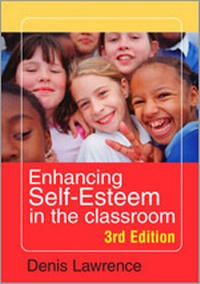
Enhancing Self-esteem in the Classroom
3rd Edition
Published on 1. March 2006
224 pages
978-1-84787-879-3 (ISBN)
Description

Praise for the first edition:
`The underlying philosophy of this practical book is that raising self-esteem in pupils (including dyslexics) will lead to achievement of higher academic results and fewer behaviour problems. This book is primarily for primary and secondary teachers but would provide much material for discussion among SpLD teachers, given the unexpected and controversial results of Denis Lawrence's research' - Dyslexia Contact
`Many useful suggestions offered in this book about learning activities are likely to help pupils to feel better about themselves, to learn to respect others and to experience how feelings can be expressed safely' - British Journal of Special Education
Raising self-esteem in pupils can lead to the achievement of higher academic results and fewer behavioural problems. Outlining in simple terms what self-esteem is and providing strategies to support it in the classroom, this book includes clear explanations of the terminology and theory behind self-esteem, and lots of practical examples and useful activities for use with children.
The book also covers the main issues surrounding the self-esteem of practitioners. It sets out tried-and-tested strategies that teachers can use to recognise and reduce stress and maintain their self-esteem.
This new edition has been fully updated and now includes new case study material and activities.
`The underlying philosophy of this practical book is that raising self-esteem in pupils (including dyslexics) will lead to achievement of higher academic results and fewer behaviour problems. This book is primarily for primary and secondary teachers but would provide much material for discussion among SpLD teachers, given the unexpected and controversial results of Denis Lawrence's research' - Dyslexia Contact
`Many useful suggestions offered in this book about learning activities are likely to help pupils to feel better about themselves, to learn to respect others and to experience how feelings can be expressed safely' - British Journal of Special Education
Raising self-esteem in pupils can lead to the achievement of higher academic results and fewer behavioural problems. Outlining in simple terms what self-esteem is and providing strategies to support it in the classroom, this book includes clear explanations of the terminology and theory behind self-esteem, and lots of practical examples and useful activities for use with children.
The book also covers the main issues surrounding the self-esteem of practitioners. It sets out tried-and-tested strategies that teachers can use to recognise and reduce stress and maintain their self-esteem.
This new edition has been fully updated and now includes new case study material and activities.
Reviews / Votes
Praise for the first edition:`The underlying philosophy of this practical book is that raising self-esteem in pupils (including dyslexics) will lead to achievement of higher academic results and fewer behaviour problems. This book is primarily for primary and secondary teachers but would provide much material for discussion among SpLD teachers, given the unexpected and controversial results of Denis Lawrence's research' - Dyslexia Contact
`Many useful suggestions offered in this book about learning activities are likely to help pupils to feel better about themselves, to learn to respect others and to experience how feelings can be expressed safely' - British Journal of Special Education
All prices
More details
Edition
Third Edition
Language
English
Place of publication
London
United Kingdom
Target group
Professional and scholarly
ISBN-13
978-1-84787-879-3 (9781847878793)
Copyright in bibliographic data and cover images is held by Nielsen Book Services Limited or by the publishers or by their respective licensors: all rights reserved.
Schweitzer Classification
Other editions
Additional editions
Denis Lawrence
Enhancing Self-esteem in the Classroom
Book
03/2006
3rd Edition
SAGE Publications Inc
€212.44
Shipment within 10-20 days
Denis Lawrence
Enhancing Self-esteem in the Classroom
Book
03/2006
3rd Edition
SAGE Publications Inc
€83.40
Shipment within 10-20 days
Person
Students of education studies; early childhood education; foundation degree modules on factors affecting learning and individual differences; PGCE primary and secondary.
Content
WHAT IS SELF-ESTEEM?
Clarifying the Terminology
How Self-Esteem Operates
The Self-Esteem Hierarchy
The Evidence for Self-Esteem Enhancement
THE ROLE OF THE SELF-CONCEPT IN SELF-ESTEEM ENHANCEMENT
Misapprehension over the Nature of Self-Esteem
Can Children Have Too Much Self-Esteem?
The Child with the Undeveloped Self-Image
The Child with the Weak Ideal Self
SELF-ESTEEM AND INDIVIDUAL DIFFERENCES
Origins of Differences
Children's Reactions to Differences
Physical Differences
Specific Learning Difficulties
Hearing Difficulties
Visual Difficulties
General Learning Difficulty
Gender Differences
Different Ethnic Groups
SIGNIFICANT INFLUENCES ON THE SELF-CONCEPT
Parental Influences
Changes in Family Structure
Peer and Sibling Influences
Failure Experiences
Media Influences
Adolescence
Cultural Identity
Other Crises
ASSESSING SELF-ESTEEM
Measuring Self-Esteem
Behavioural Checklist
The Lawrence Self-Esteem Questionnaire (the Lawseq)
Other Methods of Assessment
ENHANCING SELF-ESTEEM WHILST TEACHING
Desirable Personal Qualities
Teacher Self-Esteem
Communication
Teacher's Preferred Teaching Style
Expectancy Effects
Everyday Contacts
SMALL GROUP ACTIVITIES TO ENHANCE SELF-ESTEEM
Aims and Rationale
Introducing the Activities
Trust Activities
Recognizing and Describing Emotions
Expression of Emotions
Positive Feedback
Taking Risks
WHOLE SCHOOL AND WHOLE-CLASS APPROACHES TO ENHANCING SELF-ESTEEM
Whole School Approaches
Curriculum Activities
Developing Internal Locus of Control
Active Tutorial Work
Developing Critical Thinking Skills
Developing a Self-Image
Respect for Individual Differences
Bullying
Cooperative Behaviour
Assertive Behaviour
Conflict Resolution
Teaching Relaxation
Setting Goals
INDIVIDUAL PROGRAMME FOR ENHANCING SELF-ESTEEM
Rationale
Who Should Conduct the Programme?
Using Non-Professionals
Selecting the Child
Seeking Parental Permission
The Status of the Programme Provider and the Setting
Introducing the Sessions to the Child
Principles of the Programme
Terminating the Programme
A Ten-Week Programme
Peer Support and Befriending Programmes
CHALLENGING BEHAVIOUR
The Disruptive Child
Defence Mechanisms against Low Self-Esteem
Seeking the Positive Features in the Child
SELF-ESTEEM AND READING DIFFICULTIES
Research Findings
Selecting Appropriate Treatment for Reading Programmes
The Maintenance of Reading Gains in the Long Term
The Effects of Therapeutic Intervention on Dyslexic Students
THE TEACHER'S SELF-ESTEEM
The Hedonistic Philosophy
Changing Emotions by Changing Thinking
Self-Acceptance
Challengin Parents as a Threat to Self-Esteem
Have Fun
Maintaining Self-Esteem as a Manager
Self-Esteem and Teacher Stress
Clarifying the Terminology
How Self-Esteem Operates
The Self-Esteem Hierarchy
The Evidence for Self-Esteem Enhancement
THE ROLE OF THE SELF-CONCEPT IN SELF-ESTEEM ENHANCEMENT
Misapprehension over the Nature of Self-Esteem
Can Children Have Too Much Self-Esteem?
The Child with the Undeveloped Self-Image
The Child with the Weak Ideal Self
SELF-ESTEEM AND INDIVIDUAL DIFFERENCES
Origins of Differences
Children's Reactions to Differences
Physical Differences
Specific Learning Difficulties
Hearing Difficulties
Visual Difficulties
General Learning Difficulty
Gender Differences
Different Ethnic Groups
SIGNIFICANT INFLUENCES ON THE SELF-CONCEPT
Parental Influences
Changes in Family Structure
Peer and Sibling Influences
Failure Experiences
Media Influences
Adolescence
Cultural Identity
Other Crises
ASSESSING SELF-ESTEEM
Measuring Self-Esteem
Behavioural Checklist
The Lawrence Self-Esteem Questionnaire (the Lawseq)
Other Methods of Assessment
ENHANCING SELF-ESTEEM WHILST TEACHING
Desirable Personal Qualities
Teacher Self-Esteem
Communication
Teacher's Preferred Teaching Style
Expectancy Effects
Everyday Contacts
SMALL GROUP ACTIVITIES TO ENHANCE SELF-ESTEEM
Aims and Rationale
Introducing the Activities
Trust Activities
Recognizing and Describing Emotions
Expression of Emotions
Positive Feedback
Taking Risks
WHOLE SCHOOL AND WHOLE-CLASS APPROACHES TO ENHANCING SELF-ESTEEM
Whole School Approaches
Curriculum Activities
Developing Internal Locus of Control
Active Tutorial Work
Developing Critical Thinking Skills
Developing a Self-Image
Respect for Individual Differences
Bullying
Cooperative Behaviour
Assertive Behaviour
Conflict Resolution
Teaching Relaxation
Setting Goals
INDIVIDUAL PROGRAMME FOR ENHANCING SELF-ESTEEM
Rationale
Who Should Conduct the Programme?
Using Non-Professionals
Selecting the Child
Seeking Parental Permission
The Status of the Programme Provider and the Setting
Introducing the Sessions to the Child
Principles of the Programme
Terminating the Programme
A Ten-Week Programme
Peer Support and Befriending Programmes
CHALLENGING BEHAVIOUR
The Disruptive Child
Defence Mechanisms against Low Self-Esteem
Seeking the Positive Features in the Child
SELF-ESTEEM AND READING DIFFICULTIES
Research Findings
Selecting Appropriate Treatment for Reading Programmes
The Maintenance of Reading Gains in the Long Term
The Effects of Therapeutic Intervention on Dyslexic Students
THE TEACHER'S SELF-ESTEEM
The Hedonistic Philosophy
Changing Emotions by Changing Thinking
Self-Acceptance
Challengin Parents as a Threat to Self-Esteem
Have Fun
Maintaining Self-Esteem as a Manager
Self-Esteem and Teacher Stress
